Reviewed · PRIVATE
Architectural Budapest: Private Tour with a Local Expert
Budapest’s buildings talk fast, if you know how to listen. This private architecture-focused walk is built around skyline-changing landmarks and clear style comparisons, so the city’s growth story makes sense in a short time. I especially like the small, exclusive group format, and I really enjoy how the tour connects each stop to a bigger idea of style and time, from neoclassical to Gothic Revival and then into modern design.
You’ll start with St. Stephen’s Basilica, then move along the architectural “spine” of the city, including Andrássy Avenue and the opera house. Next comes iconic Danube-side views at the Parliament building, then the medieval-feeling spread of Castle Hill with Buda Castle, Matthias Church, and Fisherman’s Bastion. One possible drawback: this is a 2-hour walking itinerary, so if your legs need frequent breaks, the pace may feel a bit brisk.
What makes it feel worth the time is the tailored element. The route can adapt to your interests and walking pace, and your local guide can add context that helps you spot patterns instead of just taking photos. It’s also the kind of outing where you leave with practical next steps, not just facts.
In This Review
- Key highlights to expect
- Start at St. Stephen’s Basilica, then build a skyline map
- Andrássy Avenue and the Opera House: elegance with a cultural heartbeat
- Postal Savings Bank and Art Nouveau: where function meets decoration
- The Danube and the Parliament building: Gothic Revival with political weight
- Castle Hill: Buda Castle, Matthias Church, and Fisherman’s Bastion in one sweep
- Modern contrast at Hotel Budapest: when the skyline refuses to stay old
- How the local expert tailoring makes the tour feel personal
- Price and value: what $578.41 per group really buys
- Practical tips for a smooth 2-hour architecture walk
- Should you book this Architectural Budapest private tour?
- FAQ
- How long is the Architectural Budapest private tour?
- What is the meeting point and end point?
- Is this tour private?
- How much does the tour cost?
- Is a mobile ticket included?
- Are entry tickets included?
- Is the tour suitable for people with mobility limitations?
- Can I cancel for a full refund?
- Are service animals allowed?
Key highlights to expect
- Private and intimate format with an expert guide, designed for your group only
- A style timeline in real locations, so you see how Budapest grew and changed
- Danube River architecture views with the Parliament building as a key stop
- Castle Hill concentration, covering Buda Castle, Matthias Church, and Fisherman’s Bastion
- Classic to modern contrast, including a modernist cylindrical hotel stop
Some other Danube days worth pricing up
- Private Budapest TukTuk Tour: Custom Route, Hotel Pickup
★ 5.0 · 1,307 reviews - Budapest Essentials Private Tour Highlights and Hidden Gems
★ 5.0 · 861 reviews - Budapest Private Tuk Tuk Half-Day Tour
★ 5.0 · 606 reviews
Start at St. Stephen’s Basilica, then build a skyline map
Most city walks start with a vague sense of direction. This one starts at St. Stephen’s Basilica, right at Szent István tér 1, and that matters because it immediately gives you a “north star” for what you’ll be looking at the rest of the time. It is a major neoclassical church landmark, known for its grand dome and religious importance in Budapest.
I like how this beginning sets you up for the rest of the tour. Your guide can frame what you’re seeing as more than a pretty facade. You get a baseline style to compare against later, which makes the shift from neoclassical to other architectural languages feel obvious instead of confusing.
You should also know this stop is a strong visual anchor, so it helps if you want the tour to feel like an organized walk with a point. If weather is nasty, you may spend a bit more time at viewpoints and under covered areas nearby, but the starting energy still does its job.
Andrássy Avenue and the Opera House: elegance with a cultural heartbeat

From there, the tour moves to Andrássy Avenue, a historic boulevard lined with impressive buildings and luxury boutiques. The big value here is that you get the street as an architectural idea, not just a backdrop. Andrássy Avenue is presented as a place where urban development shows in the buildings themselves, so you can start reading the city like a plan.
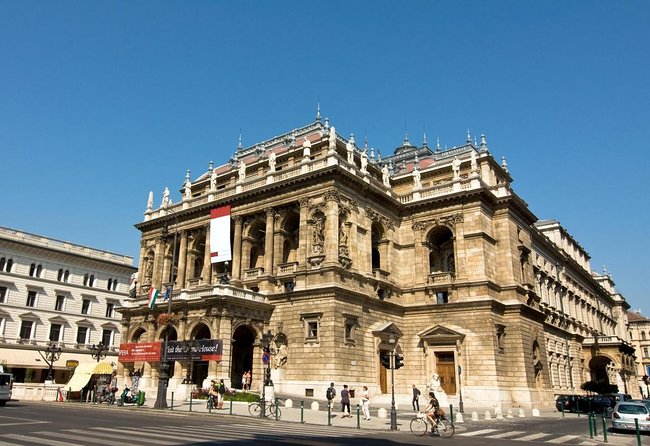
Then comes the Hungarian State Opera House, described as opulent and celebrated for its neo-Renaissance architecture and world-class performances. Even if you are not seeing a show, the building itself functions like a cultural compass. Your guide can help you connect the grandeur of the opera house to the way Budapest projects identity through major public buildings.
What I’d watch for here: if you’re the type who loves details on ornamentation, you’ll likely want a little extra time around the opera house. The tour is only about 2 hours total, so the guide will balance structure, movement, and storytelling. If you want longer lingering, ask your guide early to spend a few extra minutes at the stops that matter most to you.
Postal Savings Bank and Art Nouveau: where function meets decoration
Next is the Postal Savings Bank, known for its Art Nouveau style and its blend of functionalism and decorative art. This stop is a great reminder that architecture is not only about grand monuments. It also shows up in everyday civic buildings, like a bank, and it can still be expressive.
I like this part of the tour because it changes the pace of your “architectural reading.” After seeing churches, opera, and grand avenues, you get a building that represents a different attitude: practical space with artistic flair built into the design. That makes your mental comparisons sharper at the next big contrast points.
A practical note: Art Nouveau details are best appreciated when you can get close enough to see how the decoration works. If you take photos, try to alternate between wide shots and a few close frames. Your guide can point out what to look for, without turning the whole thing into a lecture.
The Danube and the Parliament building: Gothic Revival with political weight
Then you get the Hungarian Parliament building along the Danube River. It is described as an iconic masterpiece of Gothic Revival architecture and symbolically tied to the political heart and history of Hungary. That combination is what makes this stop more than just another photo moment. The architecture is presented as a message.
Standing along the river gives you a natural sense of scale. Your guide can help you understand why a building like this becomes a city symbol. You’re seeing how the skyline communicates power and identity, especially from a distance. Even if you do not go inside, you can still get a strong sense of the overall presence.
The only consideration here is timing and light. If the weather is changeable, you might see the building under different sky conditions as you walk. That can actually be a plus if you like dramatic views. Just wear layers, because river air can feel cooler than the streets.
Other ways an evening in Budapest can go:





Castle Hill: Buda Castle, Matthias Church, and Fisherman’s Bastion in one sweep
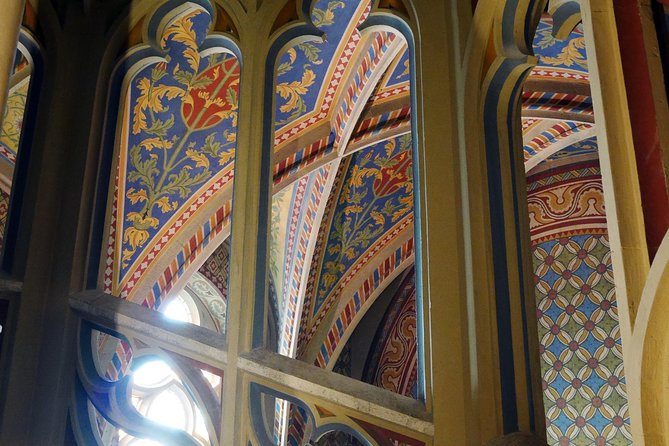
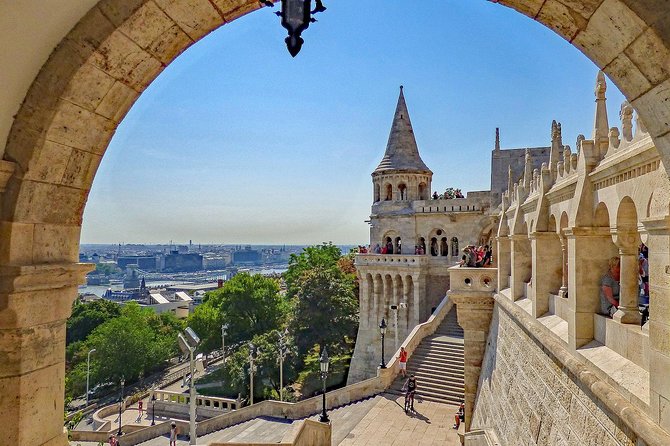
Now you shift into Castle Hill, the historic district where you find Buda Castle, Matthias Church, and Fisherman’s Bastion. This is one of the most important stops for feeling the “layers” of Budapest’s architecture at once, because the area is built around a medieval past while still offering dramatic visual viewpoints.
I love how Castle Hill works as a practical one-stop area. You’re not chasing the city one building at a time across long distances. Instead, you get a concentrated walk where multiple major landmarks sit close enough to compare styles and moods during the same time window.
Matthias Church and Fisherman’s Bastion are brought forward as part of the medieval-feeling cluster, while Buda Castle is singled out as shaping Budapest’s skyline. That storyline is useful: you can connect what you see on the ground to how the city looks from farther away.
Big picture tip: this is also where your walking pace matters most. If you feel like slowing down to read, photograph, or take in views, this is where your guide is most likely to adjust. It’s also where comfort shoes pay off, because the hill district can be more demanding than the boulevard sections.
Modern contrast at Hotel Budapest: when the skyline refuses to stay old
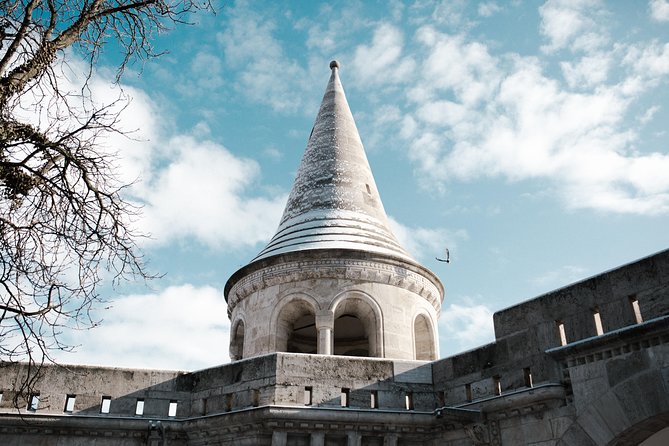
After the medieval and classic-heavy areas, the tour includes a stop at Hotel Budapest, described as a unique cylindrical hotel in the Buda district and an example of modernist architecture. That contrast is not random. It’s one of the most useful parts of the whole outing.
Here’s why it matters for you: Budapest is not only a museum city. The skyline keeps changing, and the tour’s design shows that you can understand the present by comparing it to the past. A modernist cylindrical form sitting in the same general story as classical and baroque buildings makes the idea of “evolving horizons” feel real.
If you like architecture as an ongoing conversation, you’ll appreciate this moment. It’s the point where you stop thinking only in terms of what is old and start thinking about what Budapest chooses to build next, and why.
How the local expert tailoring makes the tour feel personal
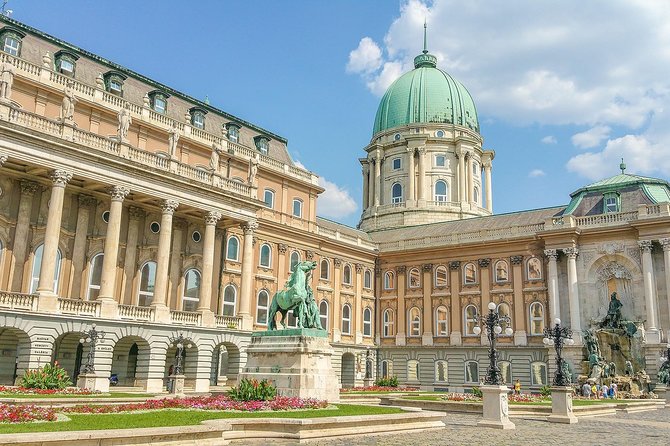
The tour is hosted by an independent local expert, and the itinerary adapts to your interests and walking pace. That tailoring is where you get the real value, especially on a 2-hour timeline.
One of the most praised strengths is that the guide can handle multiple interests at once. If your group includes different ages or attention styles, this kind of private format helps. The guide can spotlight a major performance venue like the opera house, but still connect the story to places people recognize from daily city life. For example, the guide style can include references that keep the narrative lively, not just formal.
I also like that the tour is framed as a journey through how Budapest’s identity has shifted, including the theme of regaining independence. Even without going deep into any one topic, you should come away with a clearer sense of why architecture is tied to national pride and civic confidence, not just aesthetics.
To get the best result from the tailoring, come with two or three priorities. For instance:
- Do you want more focus on big public monuments, or more on citywide design patterns?
- Are you more interested in classical eras, or in the shift to modern design?
- Do you care more about photo angles and skyline views, or about how style and symbolism connect?
Your guide can steer the timing, stop order, and emphasis, while still keeping the core landmarks in view.
Price and value: what $578.41 per group really buys
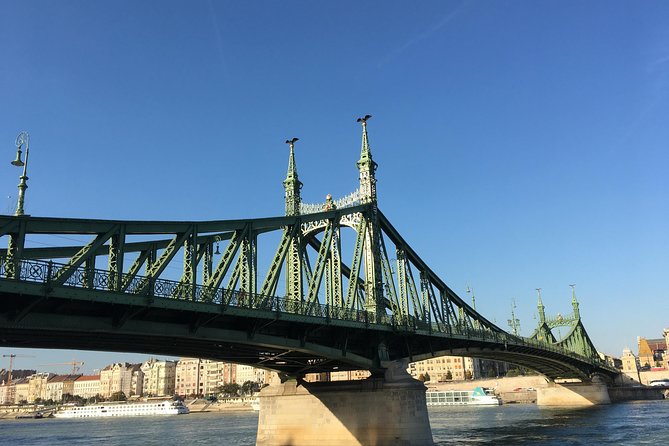
The price is $578.41 per group (up to 2), and the tour runs about 2 hours. That pricing looks high at first glance if you compare it to group bus tours. But with private architecture walking, what you are really paying for is time, focus, and a guide who can adjust on the spot.
For two people, this can work out well when you consider what you get:
- A local expert instead of generic audio
- A private route made for your interests
- The flexibility to slow down or speed up
- Stops that form a coherent architecture storyline, not random sightseeing
Also, you get a mobile ticket, which helps reduce the hassle part. Entry tickets for transportation, museums, and monuments are excluded, so you should budget separately if you plan to go inside anywhere. But even with those exclusions, you still get a tight “greatest hits” layout that covers major architecture categories during a short window.
If you are traveling solo, the per-person cost may feel steep compared to joining a shared group. If you can, think of this as a two-person splurge that saves time and gives you direction for the rest of your Budapest days.
Practical tips for a smooth 2-hour architecture walk
This is a walking experience with a tailored itinerary and a focus on seeing recognizable landmarks. Here are the things that help most on tours like this.
Wear shoes you can trust on uneven pavement and possible hill sections. Castle Hill is a strong candidate for more demanding ground, so plan for that. Bring a light layer, because weather shifts can happen quickly, and the tour can adjust stop order depending on conditions.
For photos, I recommend a simple strategy. Take wide shots first to anchor each building in your memory. Then take a few closer photos where the style changes show up most clearly, like decorative facades or key skyline silhouettes. Your guide can help you decide where to aim, without slowing down the whole group.
If you want to extend your day after the tour, ask for curated recommendations at the end. The walk ends at Szilágyi Erzsébet fasor 47, so you’ll have a natural transition point to continue exploring nearby areas.
Should you book this Architectural Budapest private tour?
Book it if you want a focused architecture storyline in a short time, and you prefer a guide who can steer based on what you care about. It’s a strong fit for couples, small groups of two, and anyone who likes seeing how styles connect across the city.
Skip it if you want long museum time, a lot of inside access, or a low-walking plan. Since entry tickets for monuments and museums are not included and the itinerary is about 2 hours of walking, it’s better for people who want to see and compare buildings rather than spend hours indoors.
If you are the type who gets overwhelmed by a city full of landmarks, this is also a good way to get your bearings fast. You’ll leave with a clearer mental map of Budapest’s architectural evolution, from Basilica to opera, from Art Nouveau civic design to Danube Gothic, and then the Castle Hill cluster plus a modernist contrast.
FAQ
How long is the Architectural Budapest private tour?
The tour lasts about 2 hours.
What is the meeting point and end point?
It starts at St. Stephen’s Basilica, Szent István tér 1, 1051 Hungary, and ends at Szilágyi Erzsébet fasor 47, 1026 Hungary.
Is this tour private?
Yes. It is a private tour for your group only.
How much does the tour cost?
It costs $578.41 per group for up to 2 people.
Is a mobile ticket included?
Yes. The tour includes a mobile ticket.
Are entry tickets included?
No. Entry tickets for transportation, museums, and monuments are excluded.
Is the tour suitable for people with mobility limitations?
It is near public transportation and most people can participate, but it is not recommended for guests with impaired mobility.
Can I cancel for a full refund?
Yes. You can cancel up to 24 hours in advance for a full refund.
Are service animals allowed?
Yes, service animals are allowed.
Newest from the Danube banks
- Gödöllö Royal Palace Privately with full board★ 5.0 · 1 review
- Private Budapest Tour with Thermal Bath or Market Visit★ 5.0 · 1 review
- Private Budapest walking tour – 4 hours★ 5.0 · 1 review
- Budapest Half Day Car Tour with Guide★ 5.0 · 1 review
- Budapest Private Transfer from Budapest city centre to Budapest Airport★ 3.0 · 1 review
- Magic Theme Team Adventure Game in the Streets of Budapest★ 5.0 · 1 review
- Budapest: Eat the Street, food tour with wine, 16+ tasting★ 5.0 · 1 review
- Private Transfer Budapest Airport BUD to Budapest by Car or Van★ 5.0 · 1 review
Private, compared.

Private Budapest TukTuk Tour: Custom Route, Hotel Pickup
Read our review →
Budapest Essentials Private Tour Highlights and Hidden Gems
Read our review →
Budapest One Way Private Transfer to or from Airport
Read our review →
Budapest Private Luxury Sightseeing Tour with Guide and Transport
Read our review →
Private Budapest City tour with Classic Russian Jeep or G-Wagon!
Read our review →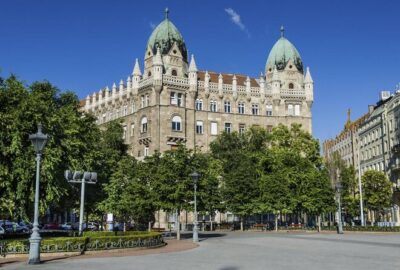
Budapest Private Full Day City Sightseeing Tour Walking or by Car
Read our review →