
Reviewed · WALKING TOURS
Budapest: 3-Hour Walking Tour of Pest with a Historian
Pest moves at a different tempo than Buda, and this tour is a smart way to feel it fast. You’ll connect Hungary’s past and present as you walk through Downtown Budapest, with lots of chances to ask questions along the way.
I particularly like the included St. Stephen’s Basilica entry, because it turns a big landmark into a real stop, not just a photo break. I also like that the route blends major sights with street-level details, then adds a practical bonus: you’ll ride the Millennium Underground (the oldest underground line on the continent) instead of just reading about it.
One consideration: it’s a compact 3-hour program, so if you want long museum moments or extra resting time, you may wish you had more hours in Pest afterward.
In This Review
- Key highlights worth planning around
- Pest with a Historian, not just a Sightseeing Checklist
- Starting Point: Erzsébet Square and an Easy Transit In
- St. Stephen’s Basilica Inside, Ticket Included (and Why That’s a Big Deal)
- Heroes’ Square: A 1000-Year Timeline in Public Form
- Andrássy Avenue and Gresham Palace: UNESCO Streetscape with Real Style
- The Millennium Underground Ride, Oldest on the Continent
- Danube Promenade, Zrínyi Street Cobblestones, and Opera-Class Centrality
- What the Historian Brings: Stories That Connect Past to Daily Life
- Subway Tickets Included, so the Route Feels Thoughtful
- Price and Value: Why $57 Can Make Sense Here
- Who This Tour Fits Best (and Who Might Skip It)
- Should You Book This Pest Walking Tour of Budapest?
Key highlights worth planning around
- St. Stephen’s Basilica inside access: ticket included, so you can see more than the exterior.
- Heroes’ Square as a history anchor: you get the big picture of influential Hungarian figures and 1000 years of story.
- Millennium Underground ride: the oldest underground transit on the continent, built into the walk.
- Andrássy Avenue UNESCO streetscape: a visually satisfying corridor with major landmarks along it.
- Small-group historian hosting: limited to 10, with room for questions and side topics.
- Downtown mix of grand and everyday: Danube Promenade views, cobblestones, and classic architecture.
More of Pest crossed at walking pace:
- Budapest: Buda Castle Walk with Saint Stephen’s Hall
★ 4.5 · 3,012 reviews - Big Bus Budapest Hop-On Hop-Off Bus and Walking Tour
★ 3.5 · 2,206 reviews - Budapest: Buda Castle District Walking Tour
★ 4.6 · 2,108 reviews
Pest with a Historian, not just a Sightseeing Checklist

Pest is often the easier side of Budapest to orient yourself in. It’s the more direct, lively-feeling downtown, and it tends to carry the country’s modern energy. This tour leans into that, focusing on Pest’s mindset and history, not just “look at that church” tourism.
The big value is the way the guide links places to ideas. You’re not only walking past landmarks, you’re learning why they matter in Hungarian life, from earlier empires through the 20th century and the Communist era, and then into what it feels like to live here today. That context turns street corners, statues, and buildings into something you can actually remember.
Also, you get a small group setup. Limited to 10 participants, it feels like a guided walk with room for conversation, not a factory line.
Starting Point: Erzsébet Square and an Easy Transit In
Meet in front of the Kempinski Hotel Corvinus Budapest, facing the Ferris wheel on Erzsébet square. The hotel address is Erzsébet tér 7, 1051.
If you’re arriving by subway, you can use M1, M2, or M3 to Deák Ferenc tér, then connect locally by tram or bus as needed. This matters because it makes the start painless. You’re not guessing where to stand at a random corner, and you’re already near a central, recognizable transport hub.
Tip from a “make it work” perspective: arrive a little early so you’re not rushing to catch the group. In this part of Budapest, there’s plenty to see even before the tour begins, like the square’s open space and the Ferris wheel view axis.
St. Stephen’s Basilica Inside, Ticket Included (and Why That’s a Big Deal)

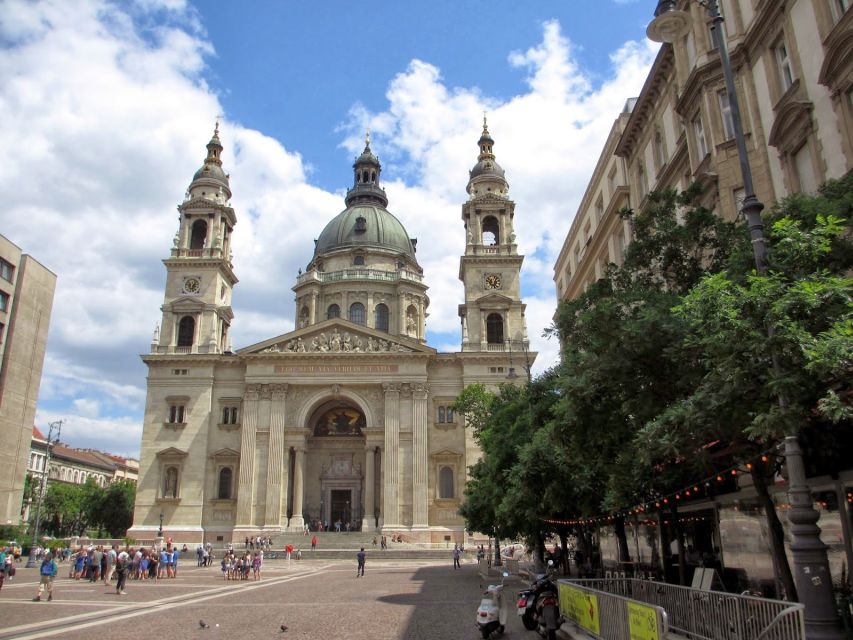
St. Stephen’s Basilica is Budapest’s largest church, and the tour includes the entrance ticket. That one detail changes the whole experience. If you’re only seeing the outside, you miss the scale and atmosphere that make people stop and look up.
From a practical standpoint, included entry also helps on time. In a 3-hour walk, you don’t want to spend your limited window figuring out ticket lines. Instead, you get to treat it like a real historical and spiritual anchor for the route.
What I like about starting your tour with a major religious landmark is that it gives you a reference point for everything else. After this, Heroes’ Square, opera buildings, and the grand boulevards feel like parts of the same cultural system: civic pride, national identity, and architecture that people lived with every day.
One thing to consider: church interiors can mean quieter pacing and some time spent standing. If you’re the type who hates sitting still, plan for short moments of stillness.
Heroes’ Square: A 1000-Year Timeline in Public Form
Heroes’ Square is where the tour shifts from architectural sightseeing into big-picture history. You’ll explore the square and learn about the most influential historical persons, in a way that connects Hungary’s story across a long arc of time.
The standout here is the “public monument” format. Statues and composition aren’t random decoration. They’re storytelling in stone, placed where you can’t avoid them. This stop is valuable even if you normally skip statues, because you’ll understand what you’re looking at and why the square was built as a kind of national reminder.
The tour frames Heroes’ Square as a condensed overview, a fast way to get your bearings for the rest of the city. A good guide can compress a complicated national timeline into a structure your brain can hold, then you’ll recognize the themes when you see other landmarks later.
Some other Danube days worth pricing up





Andrássy Avenue and Gresham Palace: UNESCO Streetscape with Real Style
After the history anchor, the tour moves into a visually rewarding stretch: Andrássy Avenue, a UNESCO world heritage site. This is one of those places where the architecture helps you understand the city’s confidence.
You’ll also pass the Gresham Palace and its Art Nouveau splendor. That detail matters because Art Nouveau in Budapest isn’t just decorative. It reflects a period when the city invested in a specific kind of public elegance. When you’re walking with a historian, you start seeing the “why” behind the “wow.”
One practical note: Andrássy Avenue is a major boulevard. You’ll likely get more open walking space here, which can be a welcome break from narrower streets. But it can also mean more wind and more exposure, depending on the weather. Wear layers and be ready for quick changes.
The Millennium Underground Ride, Oldest on the Continent
Here’s a rare thing for a walking tour: you don’t just look at transit, you ride it. The stop at the Millennium Underground is part of the experience, with a subway ticket included.
The Millennium Underground is described as the oldest underground transit line on the continent. Even if you’ve never cared about transit history, riding it turns the story into something physical. You feel the route, you notice the design choices, and it becomes a shortcut to understanding how Budapest modernized.
What makes this stop especially valuable for you is pacing. In a 3-hour walk, a short transit segment can prevent the tour from turning into nonstop steps. It also adds variety, so the day doesn’t blur together.
Consideration: you’ll be moving between walking and transit a few times. If you dislike crowding in stations, keep an eye on timing and stand to the side when people funnel in.
Danube Promenade, Zrínyi Street Cobblestones, and Opera-Class Centrality
Not every highlight is monumental. The tour also includes street texture and central-city landmarks that show you how Pest feels in motion.
You’ll see the Danube Promenade from the downtown area, which gives you a sense of Budapest’s river-shaped identity even during a short tour. The Danube isn’t only a view. It’s a spine that influenced where people built, traveled, and gathered.
You’ll also walk past Zrínyi street, known here for its cobblestones. Cobblestones slow you down, and that’s not a problem if you’re ready for it. It’s one of the best ways to avoid “only asphalt” city walking, and it makes the streets feel older and more real under your feet.
The route also points you to the Hungarian State Opera area. Even if you don’t go inside, the opera setting gives you a strong sense of cultural ambition in Pest. It’s the kind of building that makes you look up, and once you do, the surrounding streets feel more intentional too.
What the Historian Brings: Stories That Connect Past to Daily Life
A lot of tours list facts. This one is built around a historian guide who answers questions and handles multiple topics, including how Hungary’s history shaped what people deal with today.
Several guides have been singled out for their storytelling style and the way they connect their own life growing up in Hungary to the city. Names that come up include Judit, Barbara, Monica, Andrea, Raymond, Greg, and Noemi, with people praising how their personal perspective added texture to otherwise abstract history. One guest also mentioned a quick 10-minute overview at the start, which is a smart move because it gives you a mental framework before the walking starts.
The practical impact for you is simple: when the guide can field questions, you stop treating history like homework. You start treating it like a set of clues that helps you read the city.
Small-group dynamics matter too. When the group is limited to 10 participants, you’re more likely to get the kind of follow-up questions that make the tour feel tailored, not scripted.
Subway Tickets Included, so the Route Feels Thoughtful
This tour includes subway ticket(s), which matters in two ways.
First, it reduces friction. You don’t have to stop and buy tickets in the middle of a 3-hour program. Second, it supports the flow between walking and transit. That flow makes the itinerary feel efficient without turning into a bus tour where you’re trapped looking out a window.
The Millennium Underground ride is the centerpiece of that transit use. Still, the broader point is that this is designed to move through Pest without wasting time.
Price and Value: Why $57 Can Make Sense Here
The price is $57 per person for 3 hours, and in this case, value comes from what’s included, plus how the guide uses that time.
You get:
- a historian-led walking format,
- an entrance ticket to St. Stephen’s Basilica,
- subway ticket(s),
- and a small group capped at 10.
If you’d otherwise pay for a Basilica ticket plus figure out transit on your own, you’re already partway to the total. But the bigger value is the historian angle. In a short time window, it’s hard to reconstruct Pest’s “why” on your own. Paying for the interpretation can save you hours of guesswork, and it usually makes the landmarks stick.
My practical take: this is a strong first introduction to Pest if you’re short on time. If you’re staying for multiple days and you love wandering without structure, you might prefer to book this early, then return later to neighborhoods with a clearer mental map.
Who This Tour Fits Best (and Who Might Skip It)
This tour suits you if:
- you want a fast orientation to Pest with history that stays understandable,
- you like asking questions and getting real answers,
- and you want a route that mixes major sights with street details like cobblestones and grand facades.
It might not be the best match if:
- you dislike guided pacing and prefer solo wandering,
- you want museum-level depth or long interior time at multiple sites,
- or you have mobility limits that make cobbled streets and walking segments hard.
If you’re visiting for the first time, this is one of the best uses of a half-day. You get context early, then you can explore afterward with more confidence.
Should You Book This Pest Walking Tour of Budapest?
If you want a credible overview of Pest and the stories behind the buildings, I’d book it. The combination of included St. Stephen’s Basilica entry, the Millennium Underground ride, and the historian-led history framing makes this more than a basic highlights walk.
Here’s my decision shortcut:
- Book it if you’re short on time and want history with city-reading skills.
- Consider skipping or pairing with slower plans if you prefer long, independent museum time or you’re sensitive to a tight 3-hour pace.
Overall, this is the kind of tour that helps you understand the city fast, then enjoy it longer.
Newest from the Danube banks
- Pub Crawl Through The Ruin Bars in Budapest with T-shirt Included★ 4.5 · 14 reviews
- Rudas Bistro Premium Brunch★ 3.5 · 14 reviews
- Wine Tasting in the Countryside from Budapest★ 5.0 · 14 reviews
- Buda Castle District and Matthias Church Private Tour★ 5.0 · 14 reviews
- Pest side stories with a Historian★ 5.0 · 14 reviews
- Budapest Rafting – Sunset Cruise★ 5.0 · 14 reviews
- Recirquel Company: Walk My World Immersive Show Entry Ticket★ 4.6 · 14 reviews
- Ram Gorge Hiking Adventure★ 5.0 · 14 reviews
Walking Tours, compared.

Budapest: Buda Castle Walk with Saint Stephen’s Hall
Read our review →
Big Bus Budapest Hop-On Hop-Off Bus and Walking Tour
Read our review →
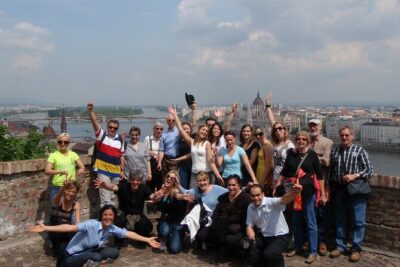
Budapest City Landmarks Walking Tour in 2 Hours
Read our review →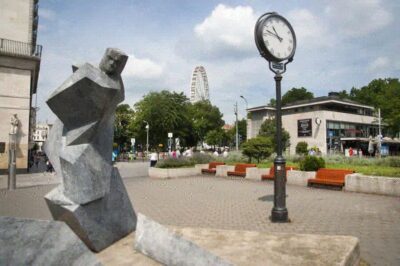
3-Hour Orientation Walking Tour of Buda and Pest
Read our review →
Budapest: 3-Hour Grand City Tour and Castle Walk
Read our review →
Budapest Historical Sightseeing – Free Walking Tour
Read our review →
Budapest All in One Small Group Walking Tour with Strudel Stop
Read our review →Browse the lists this tour appears in