
Reviewed · COOKING CLASSES
Budapest Cooking Class & Market Tour with Local Guide & Wines
A great afternoon starts with shopping. This Budapest cooking class pairs Central Market Hall tastings with a hands-on, family-style cook session that feels like you are eating dinner with friends, not “performing” for a class. I love the way you start with real ingredients from Hungarian producers, then learn dishes step by step with friendly hosts like Kinga, Mesi, and Ben. I also love the food lineup, especially paprika-driven classics and the palinka and wine tastings that make the meal feel special. One consideration: the experience is meant to be cozy, so if your group lands at the upper end (it is listed as max 12, though one review reported 14), the cooking space can feel tight and the pace can feel a little more “wait and snack” than hands-on.
Expect cultural context without a lecture. Along the way, you will learn how Hungarian cuisine shows up in everyday life in Budapest, plus how seasonal ingredients shape what ends up on your plate. The menu includes lecsó with dumplings (gluten options available), cured meats and cheeses, pickles, palinka, and a traditional Hungarian pudding. Dietary options exist, but if you are very sensitive to cross-contamination, you will want to ask how they handle that for coeliac needs.
In This Review
- Key highlights to know before you go
- Central Market Hall shopping, where the tour actually becomes cooking
- What you taste before the first pan heats up
- The cooking apartment, and why it feels like a real home dinner
- The core dish: sausage lecsó with dumplings (and smart gluten options)
- Starters and sides that make the meal feel Hungarian, not generic
- Wine pairing, and how the experience handles drinkers and non-drinkers
- Timing, walking, and the small practical issues that can make or break the day
- Price and value: what $99 buys in a city where “food tours” can be thin
- Who this Budapest cooking class fits best
- Hosts and group vibe: why the guide name keeps showing up
- Recipe takeaways and souvenirs that make it stick
- Should you book this Budapest cooking class?
- FAQ
- How long is the cooking class and market tour?
- Where does the tour start and end?
- Is it offered in English?
- What’s included in the food?
- Are dietary options available?
- What group size should I expect?
- Does it involve wine or alcohol?
Key highlights to know before you go
- Central Market Hall shopping first, so you cook with ingredients you actually tasted and selected
- Hands-on traditional dishes, with step-by-step guidance in a home-style kitchen
- Hungarian flavors across the table, from cured salamis and cheeses to pickles and palinka
- Wine pairings from local wineries, paired to what you are making and eating
- Small-group feel, listed for up to 12 travelers, with occasional reports of larger groups
- Recipe takeaways, so you can recreate the dishes at home
Other Hungarian wine poured near Budapest:
- Countryside Half-day Gastro-Wine Tour from Budapest Meal & pickup
★ 5.0 · 1,450 reviews - Budapest Centre Food Tour with 10+ Tastings, Wine & Street Food
★ 5.0 · 810 reviews - From Budapest: Half-Day Countryside Wine Tour with Meal
★ 4.8 · 657 reviews
Central Market Hall shopping, where the tour actually becomes cooking
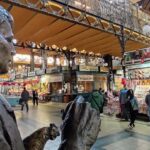
If you care about food, the best part of this experience is the front end. You meet at Central Market Hall in Budapest, then you do more than “look at stalls.” You sample local specialties from real Hungarian producers, and you learn enough context to understand why certain ingredients show up again and again in Hungarian cooking.
Central Market Hall is famous for a reason. It is the kind of place where you can buy ingredients, but you can also pick up the story behind them. That matters here, because the class does not start in a sterile kitchen. It starts where Hungarian households shop, talk, argue over produce, and decide what gets cooked that week.
Practical tip: the market portion involves walking and time in crowds. One review specifically flagged about 30 minutes of walking through the market, plus another walk afterward to the cooking apartment. If you have mobility needs, plan for that, and arrive with your energy set for an afternoon that includes some movement.
What you taste before the first pan heats up
This is not just a cooking class with a token snack. You build appetite with a sequence of Hungarian tastes that also act like a “pre-lesson” for the dishes you will cook later.
On the menu, you can expect:
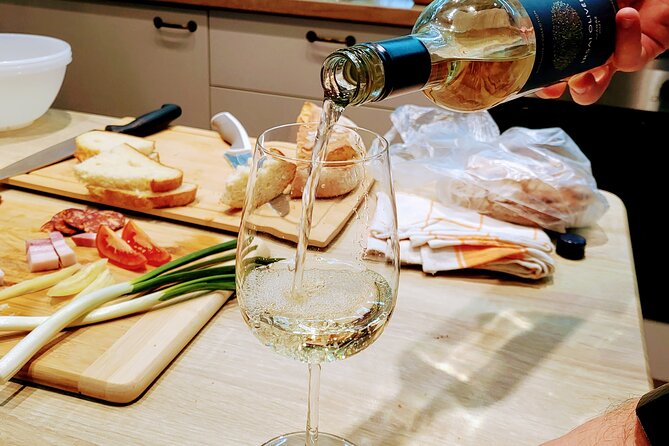
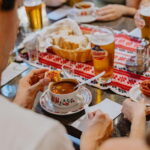
- A selection of Hungarian cured salamis and cheeses
- A selection of exotic Hungarian pickles
- A tasting of Hungarian palinka (the spirit many people associate with Hungary)
- Wine pairing with the meal, from local wineries
- A taster-style sequence meant to connect ingredients to the dishes you are about to make
I like this approach because it helps you learn by contrast. You taste cured meats, tangy pickles, and palinka, then later you cook something warm, saucy, and paprika-forward. Your palate starts predicting what will work, which makes the cooking instruction land faster.
One note on pacing: most reports describe it as relaxed and not rushed, but a couple of less-positive reviews mentioned more waiting than expected in certain situations. If you prefer a very active, nonstop cooking flow, be aware that this class includes a meaningful tasting and dining element, not just chopping.
The cooking apartment, and why it feels like a real home dinner
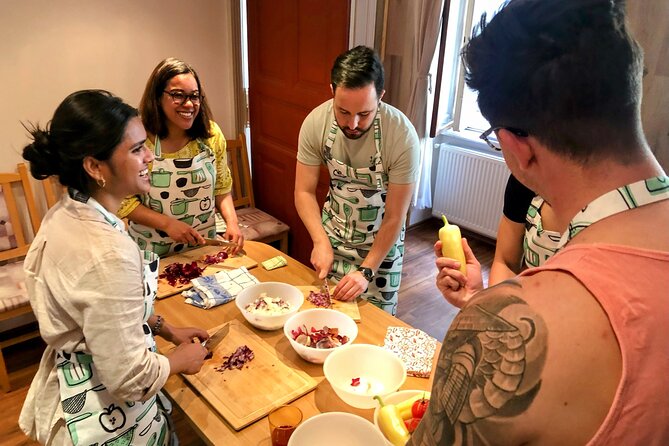
After Central Market Hall, you move to a nearby Budapest apartment for the cooking portion. This is where the experience shifts from “tour mode” to “kitchen mode.”
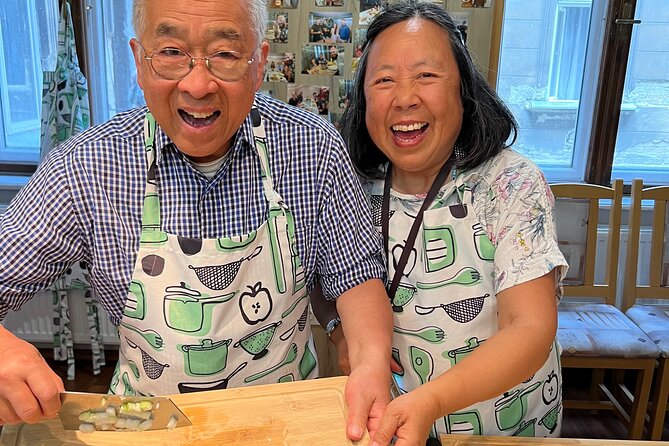
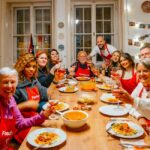
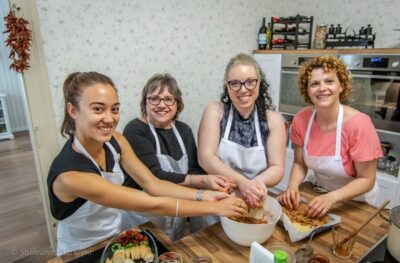
The setting is designed to feel homier than a cooking studio. Reviews mention a kitchen that looks and functions like a real space, not a sterile classroom. Hosts also seem to run the room like a friendly dinner gathering, with everyone included in the process. People repeatedly highlight hosts like Kinga, Ben, Mesi, and Dominic for making participants feel at ease and for keeping instruction clear even for people who do not cook often.
Hands-on participation is a big deal with this style of class. You are not just watching someone else do the work. You are also not stuck at the back peeling onions for two hours. The goal is that you help make the meal and then eat it together right afterward.
Small-group reality check: the experience is capped at 12 travelers, which should help keep the room usable. Still, one review reported a group size of 14 and said it felt cramped. If you are sensitive to that kind of atmosphere, pick a day when you prefer more quiet, and consider choosing the earlier end of your schedule when possible.
The core dish: sausage lecsó with dumplings (and smart gluten options)
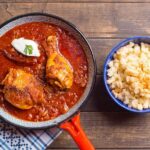
The centerpiece you should expect is Hungarian sausage lecsó with dumplings, described as a grandma’s recipe. Lecsó is one of those Hungarian classics that tastes like comfort and paprika at the same time: peppers, tomatoes, and sausage, cooked down into a savory sauce.
Then comes the dumplings. The menu describes Hungarian-style flour dumplings. It also notes an alternative that swaps in potatoes without gluten. That matters because it means the class is not only offering a “separate version” in theory. It is structured to support different dietary needs while still letting you taste the heart of the dish.
If you like cooking because it gives you technique you can repeat, this dish is a good teacher. It has a sauce base you can recreate. It also helps you understand how Hungarian flavor builds: paprika, slow cooking, and balancing richness with a little acidity from tomatoes.
Other Budapest halls worth an early hour:
Starters and sides that make the meal feel Hungarian, not generic
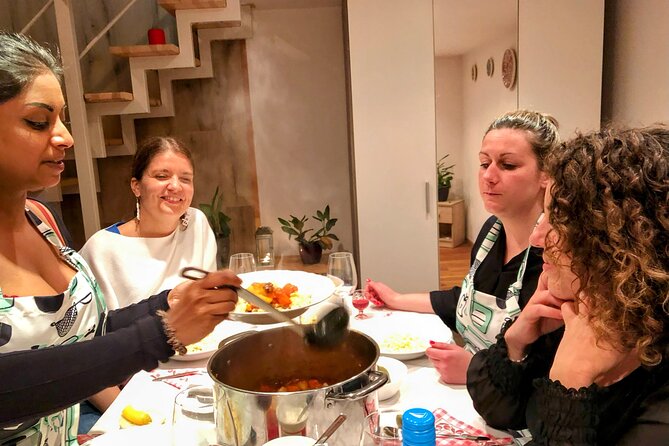
The tasting structure continues into the meal itself. Before or alongside cooking, you can expect the classic Hungarian starter lineup:
- Cured salami and cheeses
- Pickles
- A palinka taster
This is a smart move for two reasons. First, Hungarian meals often include a “start slow” rhythm with small items before the main show. Second, these flavors help you notice what your main dish is doing, especially against salty, creamy, and tangy bites.
A little dessert is listed too: traditional Hungarian pudding. One review said dessert was never made on their day, so I cannot promise it will always appear exactly as listed for every schedule and group. Still, when it is included, it rounds out the meal into a complete Hungarian-style finish rather than stopping at the main course.
Wine pairing, and how the experience handles drinkers and non-drinkers
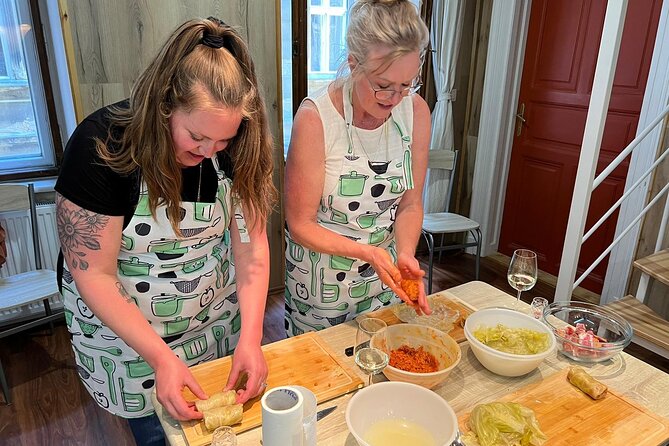
The class includes wine pairing with the meal, with wine from local wineries. Palinka also appears as a taster, so if you are counting on the day being entirely non-alcohol, plan for the fact that alcohol is part of the listed flow.
At the same time, many positive reviews focus on the cooking, instruction, and social warmth, not just drinking. And at least one review complaint specifically mentioned concern about how alcohol-centered the experience felt, so the best takeaway for you is this: the pairing is integrated, but it should not be the only focus.
If you do not drink, you should still be able to participate. The data says non-alcoholic alternatives exist, but it also includes one report of tap water or squash being offered in place of other options. So if drinks matter for you, message ahead and ask what is offered for non-drinkers.
Timing, walking, and the small practical issues that can make or break the day
The total duration is about 4 hours. That is a solid length for a market plus cooking session. You get enough time to shop, sample, cook, and sit down together without it turning into an all-day project.
But it is not a “sit, watch, and snack” timeline. You will do:
- Market Hall time with sampling and walking
- A walk to the cooking apartment (a review mentioned around 15 minutes)
- Cooking instruction and a shared meal
One review also flagged an elevator issue at Central Market Hall during their visit, with an escalator working instead. That suggests you should treat this as a moderately active activity. If you have mobility limitations, you can still do it, but go in with realistic expectations and bring a plan for stairs or crowds.
Also, note that the tour is offered in English. It is a mobile ticket experience, and it ends back at the meeting point.
Price and value: what $99 buys in a city where “food tours” can be thin
At $99 per person for about 4 hours, you are paying for three things at once:
1) A curated market experience at Central Market Hall
2) A hands-on cooking session in a home-style kitchen
3) Food tastings and meal service, plus wine pairing and palinka taster items
That is the value equation. If you tried to do this on your own, you would still spend money in the market. Then you would have to arrange a cooking space, ingredients, and instruction. Here, you are outsourcing the planning and execution to a provider and paying for time with a local host.
Where value can shift is in group size and how actively you cook. Most reviews praise the teaching style and participation, but one negative review complained the class felt cramped and the cooking portion was smaller than expected. Officially, the group cap is 12, which should help keep the experience comfortable, but if you are very sensitive to crowding, treat this as a “cozy apartment” experience, not a classroom with space to spread out.
Who this Budapest cooking class fits best
This is a great fit if:
- You want a real Budapest market stop and not just a photo-op
- You like traditional Hungarian dishes you can realistically recreate at home
- You enjoy cooking with a group and eating together afterward
- You want a local host to explain ingredients and food context, not just recipes
It may not be your best match if:
- You want a strictly hands-on cooking session with minimal waiting
- You dislike alcohol being part of the flow, even with non-alcohol options available
- You are extremely concerned about cross-contamination risk, since one review mentioned potential cross-contact in a shared kitchen environment
Hosts and group vibe: why the guide name keeps showing up
One of the strongest patterns in the feedback is consistency around the host. People repeatedly name hosts like Kinga, Mesi, Ben, and Dominic, and they talk about the same themes: warm personalities, clear step-by-step instruction, and making everyone part of the process.
That matters because a cooking class lives or dies by the tone in the room. If the guide is organized, you learn. If the guide is chaotic, you just stand around with a knife.
Also, the “connected dining” part shows up. Reviews describe meeting new people who became friends, sharing the meal right after cooking, and sometimes even continuing the night with others. That social piece is not guaranteed for every group, but it is clearly built into the format.
Recipe takeaways and souvenirs that make it stick
One review mentioned that you get the recipe and feel confident recreating the dishes at home. That is what you want from a cooking class: skills you can use later, not just a one-time meal.
Another small detail that came up is the idea of choosing an old postcard as a souvenir. Even if that is not the main reason to book, those kinds of small, personal touches make the experience feel less like a standard ticket and more like a lived moment in Budapest.
Should you book this Budapest cooking class?
Book it if you want the most “Budapest” version of a cooking class: market shopping at Central Market Hall, then a home-style kitchen where you cook and eat together. The dish focus on lecsó with dumplings, the starter spread of cured meats, cheeses, pickles, palinka, and wine pairing gives you a full taste of Hungarian flavors in one half-day block.
Skip or ask extra questions if you are sensitive to crowding, you want absolutely minimal alcohol presence, or you have a strict dietary requirement where cross-contamination is a big concern. For most people, the format works because it is small, social, and instruction-led.
If you go in hungry, ready to walk a bit, and open to eating and cooking at a relaxed pace, you will likely come away with both new dishes and a clearer feel for why Hungarian food tastes the way it does.
FAQ
How long is the cooking class and market tour?
It is about 4 hours.
Where does the tour start and end?
It starts at Central Market Hall in Budapest and ends back at the meeting point.
Is it offered in English?
Yes, the tour is offered in English.
What’s included in the food?
You can expect a market visit with tastings, then a family-style cooking and meal experience. The menu includes Hungarian sausage lecsó with dumplings, cured salamis and cheeses, pickles, palinka, wine pairing, and a traditional Hungarian pudding.
Are dietary options available?
Yes. Gluten free, vegan, and vegetarian options are available.
What group size should I expect?
The maximum is listed as 12 travelers.
Does it involve wine or alcohol?
Wine pairing is included with the meal, and palinka is served as a tasting as part of the experience. Non-alcoholic options are mentioned as available, but it is best to ask if you do not drink.
More Workshops in Budapest
- Budapest: Hungarian Chimney Cake Workshop in the City Center
★ 4.7 · 1,263 reviews - Budapest: Traditional Chimney Cake (Kürtőskalács) Workshop
★ 4.8 · 323 reviews - Chimney Cake Workshop Budapest Downtown – Kürtőskalács Class
★ 5.0 · 220 reviews - Budapest: Essentials of Hungarian Wine Tasting Class
★ 4.9 · 174 reviews
Budapest Streets Worth a Browse
- German tour in the Market Hall of Budapest with tastings
★ 4.9 · 84 reviews - Easy Cooking Class Budapest – with Market Walk (local wine & pálinka included)
★ 5.0 · 62 reviews - Budapest Great Market Hall Chef‑Led Private Tasting Tour
★ 5.0 · 61 reviews - Budapest Market Tour & Home Cooking Class with local Chef & Guide
★ 5.0 · 23 reviews
Newest from the Danube banks
- Pub Crawl Through The Ruin Bars in Budapest with T-shirt Included★ 4.5 · 14 reviews
- Rudas Bistro Premium Brunch★ 3.5 · 14 reviews
- Wine Tasting in the Countryside from Budapest★ 5.0 · 14 reviews
- Buda Castle District and Matthias Church Private Tour★ 5.0 · 14 reviews
- Pest side stories with a Historian★ 5.0 · 14 reviews
- Budapest Rafting – Sunset Cruise★ 5.0 · 14 reviews
- Recirquel Company: Walk My World Immersive Show Entry Ticket★ 4.6 · 14 reviews
- Ram Gorge Hiking Adventure★ 5.0 · 14 reviews
Cooking Classes, compared.
Premium Hungarian Home Cooking Experience with Chef Marti
Read our review →
Budapest: Small-Group Cooking Class & Market Tour with Local
Read our review →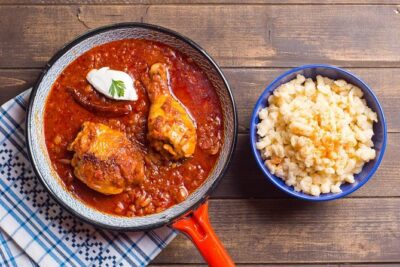
Hungarian Cooking and optional Local Market Tour
Read our review →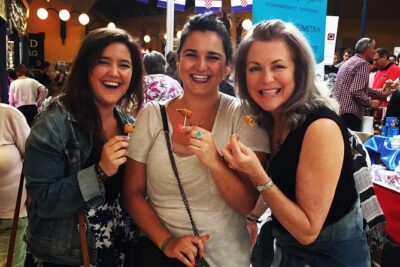
Easy Cooking Class Budapest – with Market Walk (local wine & pálinka included)
Read our review →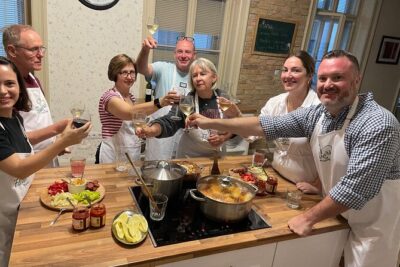
Hungarian Home Cooking Class with Chef Marti
Read our review →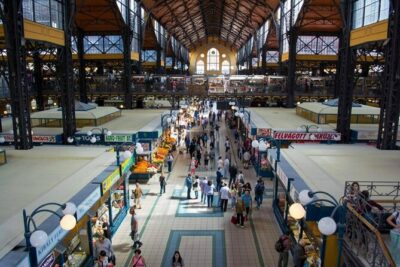
Budapest Market Tour & Home Cooking Class with local Chef & Guide
Read our review →
Premium Hungarian Home Cooking Class with Chef Marti
Read our review →Browse the lists this tour appears in