
Reviewed · MUSEUMS
Budapest: Mika Tivadar Secret Museum Entry Ticket
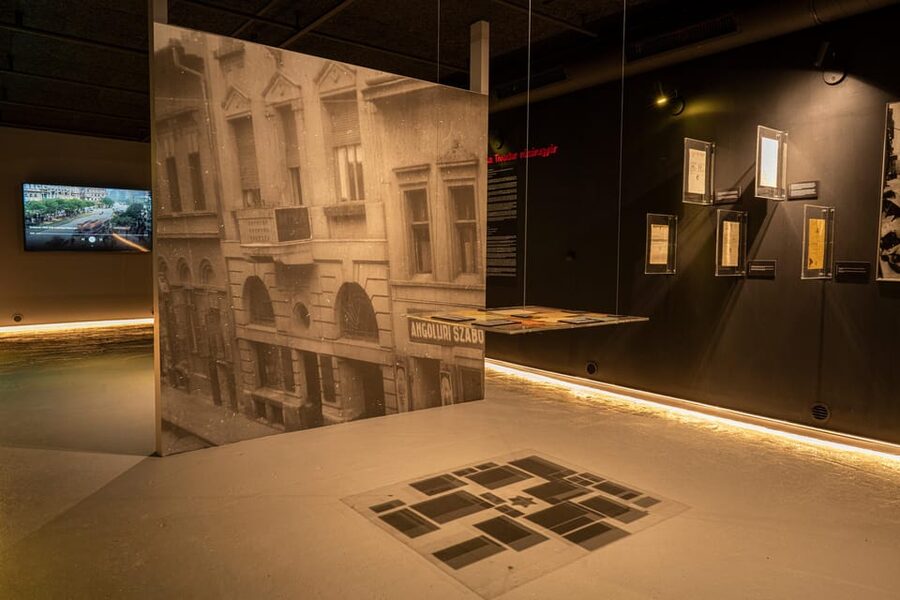
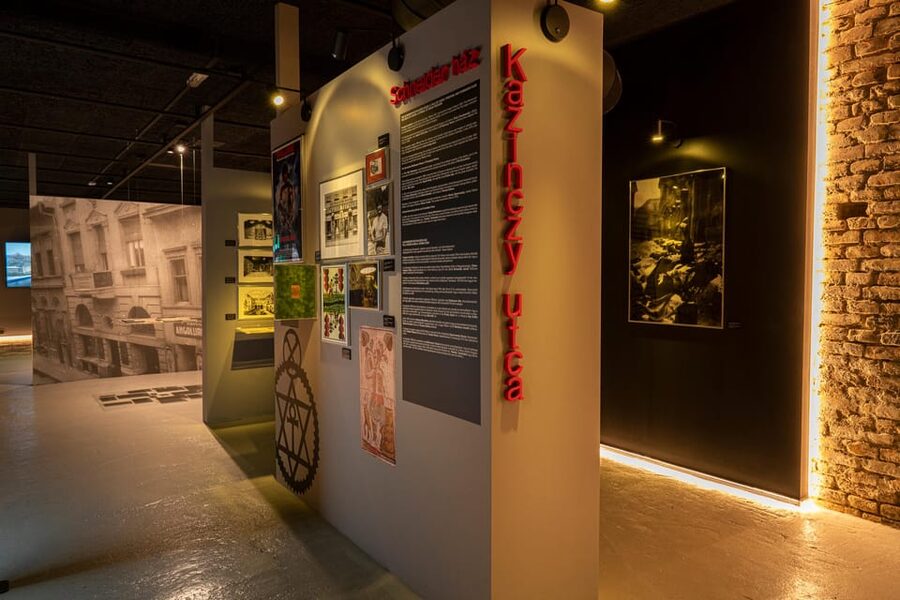
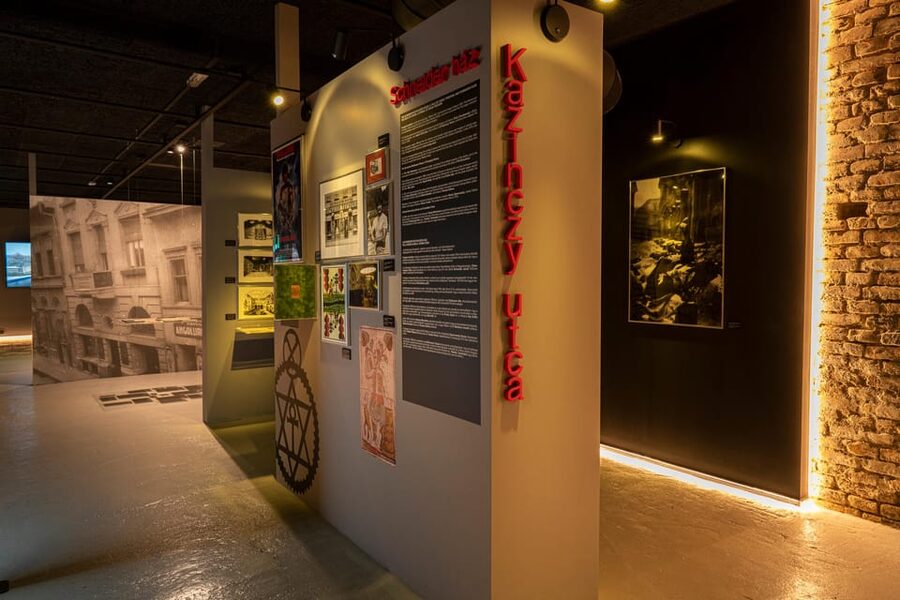
Budapest’s Kazinczy Street has a secret side. This small, self-guided museum turns the street around Hotel Mika into a time-stopping story of late 1800s to the years between the world wars. You’ll wander a tight 140 sqm space, then step into bigger Europe-scale connections.
Two things I like a lot are the 8-language audio you listen to right on your phone, and the fact that the museum keeps pulling in real names and real places tied to Budapest life. One possible drawback: it’s not suitable for wheelchair users, so plan other options if mobility is a concern.
In This Review
- Key points before you go
- Mika Tivadar Secret Museum, where Kazinczy Street turns into a timeline
- What you really get in 30 minutes, house museum plus neighborhood stories
- Audio on your phone, no guide needed, 8 languages included
- Inside the museum highlights, from a first hotel museum to the Blue Cat
- The most fun connections, famous names meet a tiny house on Kazinczy Street
- Budapest neighborhoods get explained through darker chapters too
- Where the cocktail bar fits, eat and drink without breaking the mood
- Planning your visit in District VII, timing and what to pair it with
- Price and value, why the $5 ticket makes sense
- Who should book, and who should think twice
- Should you book this Mika Tivadar Secret Museum ticket?
- FAQ
- How long is the Budapest Mika Tivadar Secret Museum visit?
- Where do I meet for the museum entry?
- How much does it cost?
- Do I need a museum guide with me?
- Is the audio guide available in multiple languages?
- What do I need to bring for the audio guide?
- Is there a bar or restaurant on site?
- Is this experience wheelchair accessible?
Key points before you go
- 140 sqm specialty museum that feels quick, but packed with content
- 8 languages via voiceovers on your mobile, plus free on-site Wi-Fi
- On-site cocktail bar and restaurant, so you can mix stories with a drink
- First Hungarian hotel museum concept, tied to the Hotel Mika setting
- Skip the ticket line, with entry based on your scheduled slot
More Budapest collections out of the weather:
- Budapest: Cat Museum Budapest Entry Ticket
★ 4.4 · 2,210 reviews - Budapest: Light Art Museum Skip-the-Line Entry Ticket
★ 3.9 · 1,531 reviews - Budapest: Budapest Retro Interactive Museum Ticket
★ 4.4 · 569 reviews
Mika Tivadar Secret Museum, where Kazinczy Street turns into a timeline
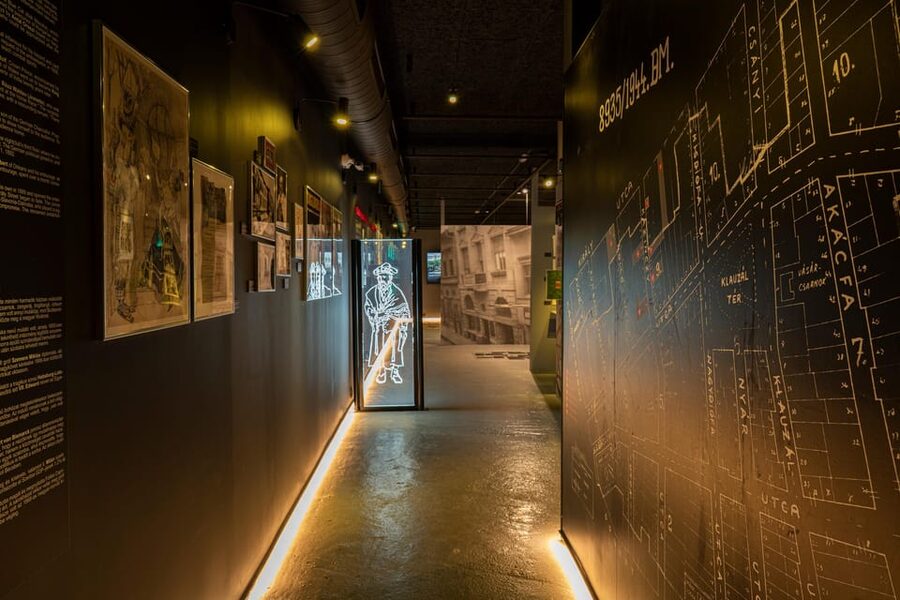
If you only know Kazinczy Street for nightlife, this ticket gives you a different lens. The Mika Tivadar Secret Museum is built on the idea that a neighborhood can tell you its past in layers, even when the space feels small. One reason it works so well is that the museum doesn’t just describe a building, it uses the surrounding area to explain how Budapest moved through big historical shifts.
I also like the tone of the experience. It’s not heavy-handed, and it’s not a dry list of dates. You get story chapters with installations, photographs, and written narratives, plus voice effects that help you feel like you’re stepping into the era rather than reading a textbook.
What you really get in 30 minutes, house museum plus neighborhood stories
The entry ticket is designed for about 30 minutes, but you’re not forced out at the exact moment your time runs out. The museum layout is compact, so you can cover the main story beats without rushing. Still, it’s the kind of place where slowing down makes sense, because so much of the fun is in the unexpected connections between Budapest and wider Europe.
Here’s the practical idea of how the visit unfolds. You start at the Hotel Mika Downtown reception, where staff greet you and hand you a flyer. They explain briefly what you can discover, then you’re free to explore at your pace. Your phone audio does the work of guiding you through the chapters, so you’re not stuck waiting for a group to move.
Even though the museum is in a tight footprint, the subject matter spans major periods. The focus moves through the late 19th century, then to the years between the world wars. You’ll see how daily life, entertainment, and different communities intersected in Budapest as Europe’s major powers shaped events from afar.
Audio on your phone, no guide needed, 8 languages included
The biggest usability win here is that you don’t need a museum guide in the room. Instead, you access the audio guide on your own mobile device. You’ll just need a charged smartphone, and you can use the free Wi-Fi on-site.
You scan a QR code for the audio, then listen to voiceovers for each chapter. The experience includes voiceovers plus voice effects, so it’s not just a plain narration track. I find that approach easier than trying to read everything while walking through a small space. It also helps if you want to pause, back up, or linger on a display that catches your eye.
And yes, it’s in 8 languages. That matters because a lot of small museums struggle with making their stories accessible. Here, language support is part of the design rather than an afterthought.
Inside the museum highlights, from a first hotel museum to the Blue Cat
This isn’t one of those museums where everything is behind glass with labels you can barely read. The museum takes a storytelling approach, and the content is clearly focused on Budapest as a living, changing place.
A few highlights that give you a strong sense of what you’re walking into:
1) First Hungarian hotel museum concept
The museum is presented as a “first” in its category, which fits the idea that you’re not only touring a historical display. You’re touring a place connected to hospitality and urban life, which changes how you interpret the rooms and objects.
2) Budapest’s entertainment history in the same rooms
The museum references the Blue Cat cabaret and also connects to Hungary’s first cinema in this location. It even ties director Michael Curtiz, the Oscar-winning filmmaker known for Casablanca, to the early start of his film career.
When you see those entertainment references in the same storyline as changing neighborhoods and shifting politics, the museum feels less like a history stop and more like a map of culture.
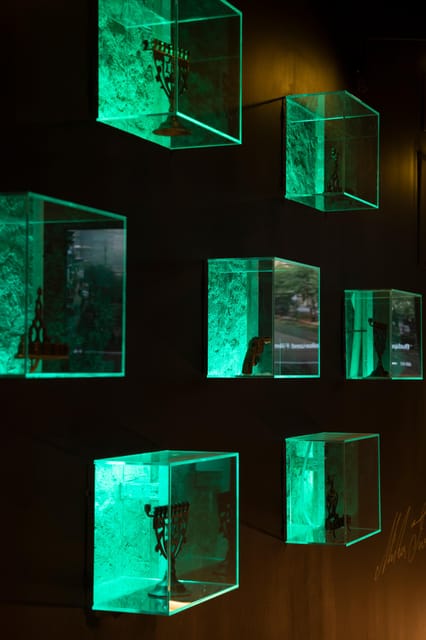
3) Period atmosphere through installations and artifacts
You’ll run into antique objects and set-like storytelling. That helps explain what life may have felt like during key periods, not just what happened on paper.
Some other Danube days worth pricing up



The most fun connections, famous names meet a tiny house on Kazinczy Street
What I love about this museum is how it keeps popping you out of a single straight timeline. One minute you’re learning about Budapest, and the next you’re hearing how European power players and major cultural figures fit into the bigger picture.
You’ll encounter references to major historic figures connected with the era, including King Edward VII of the United Kingdom, German statesman Otto von Bismarck, and Milan I of Serbia. The museum doesn’t treat them as distant celebrities. It frames them as people connected to the period’s atmosphere and influence.
Then you get some truly surprising turns. The museum includes a surprising connection involving Sylvester Stallone and Arnold Schwarzenegger tied to a tiny house on Kazinczy Street. That kind of detail is a great hook for visitors who find traditional museums too serious. You get to keep your interest without losing the historical thread.
There’s also a strong focus on how different communities lived in Hungary. The museum emphasizes the role of the many ethnic communities, and it’s set up so international visitors can find points of personal relevance. That matters because it reduces that “I’m a tourist looking at someone else’s past” feeling.
Budapest neighborhoods get explained through darker chapters too
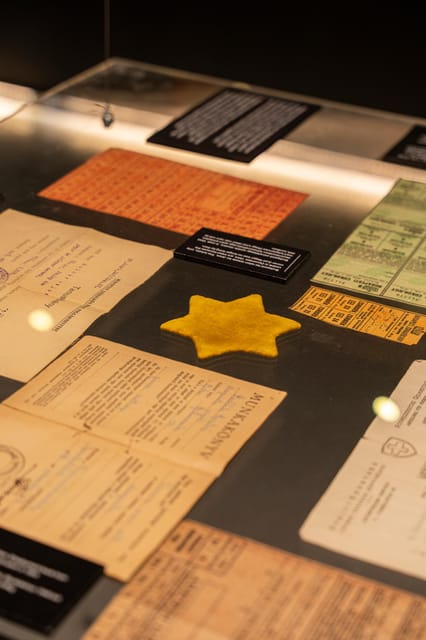
This museum doesn’t only talk about cabaret and cinema. It also brings in harder history. You’ll learn about Budapest’s ghetto history and you’ll see references to Europe’s most famous brothel. It also discusses how the property looked during World War II.
Those topics could make the experience feel heavy. In practice, the museum keeps it grounded by linking events to spaces and objects. You’re not just told what happened, you’re guided through a sense of place. For many people, that’s exactly what makes the museum memorable.
One more layer that’s worth knowing about: the museum connects the Hungarian First Steam Bath, once right in front of the museum, to what the area became later, including its transformation into a hotel. That’s a subtle but useful theme. The neighborhood changes, but traces remain, and the museum helps you notice them while you’re walking outside.
Where the cocktail bar fits, eat and drink without breaking the mood
The museum includes an on-site cocktail bar and restaurant. That turns the experience from “one and done” into something you can blend into an evening plan in District VII.
In a small museum space, the bar also helps manage energy. If you’re listening to multiple audio chapters, you may want a break after a darker section or after you catch one of the more surprising stories. Having a cocktail or a meal right there keeps you from feeling like you must rush out and hunt for something else immediately.
From the info provided, the bar is open on-site. The on-site restaurant serves options that can work for a more relaxed visit, including brunch and cocktails. So you can turn this into an easy start to a longer evening rather than a quick squeeze-in.
Planning your visit in District VII, timing and what to pair it with
This is a great stop when you want something cultural that doesn’t eat half your day. The ticket is short, the audio is on your phone, and the museum is small enough that you can fit it between other Central Budapest activities.
Because it’s on Kazinczy Street in District VII, I’d pair it with an evening stroll around the area. You’ll recognize street corners differently after the museum explains what happened here and who came through these spaces. It also pairs well with a drink stop, since the museum itself has a cocktail bar.
If your schedule is tight, prioritize this first or second in your evening plan. The story content is tied to place, so you’ll get more out of it if you’re not too far away afterward.
Price and value, why the $5 ticket makes sense
At about $5 per person, this feels like a strong value for three reasons.
First, the format is efficient. You’re paying for a focused museum visit, roughly 30 minutes, in a space that is compact and easy to cover without guided time blocks.
Second, language support is built in. 8 languages plus voiceovers on your mobile means you’re not relying on someone to translate the room for you.
Third, the experience includes more than just “look at objects.” You get a story-driven presentation with voice effects, plus access to the on-site bar and restaurant. Even if you only have a drink, that’s part of the overall setting, not an optional add-on you have to plan separately.
If you’re the type who likes your history sprinkled with real personalities and surprising details, the price feels even better.
Who should book, and who should think twice
This museum suits you if you want:
- Short, self-guided culture that you can do on your own pace
- Audio in 8 languages with a phone-based format
- A mix of Budapest entertainment history, World War II-era references, and neighborhood storytelling
- A location-friendly experience that works well in an evening plan, with an on-site cocktail bar
It might not suit you if:
- You use a wheelchair or need wheelchair access, since it’s not suitable for wheelchair users
- You only like big, room-after-room museums and would rather spend hours with collections
Also, because the audio is on your mobile, it helps to show up with a charged smartphone. If your battery always dies early, bring a power bank.
Should you book this Mika Tivadar Secret Museum ticket?
Book it if you want a smart, low-stress way to understand Kazinczy Street beyond the obvious nightlife picture. The self-guided 8-language audio means you can move at your pace, and the content gives you both entertainment history and darker World War II-era context without making the visit feel endless.
Skip it if you need wheelchair access, or if you hate audio-guided museums and prefer live narration. With the phone-based format, the experience is built around listening, so opting out of audio would mean missing part of the design.
FAQ
How long is the Budapest Mika Tivadar Secret Museum visit?
The experience is listed as 30 minutes.
Where do I meet for the museum entry?
You meet at the Hotel Mika Downtown reception.
How much does it cost?
The ticket price is listed at $5 per person.
Do I need a museum guide with me?
No. There is no museum guide or tour guide included. Staff greet you, hand you a flyer, and explain briefly what you can discover, and you use the audio on your mobile.
Is the audio guide available in multiple languages?
Yes. Audio is available in 8 languages.
What do I need to bring for the audio guide?
You should bring a charged smartphone. The audio guide is accessible on your mobile, and free Wi-Fi is available.
Is there a bar or restaurant on site?
Yes. There is an on-site cocktail bar and restaurant, and the bar is open on site.
Is this experience wheelchair accessible?
No, it is not suitable for wheelchair users.
Newest from the Danube banks
- Pub Crawl Through The Ruin Bars in Budapest with T-shirt Included★ 4.5 · 14 reviews
- Rudas Bistro Premium Brunch★ 3.5 · 14 reviews
- Wine Tasting in the Countryside from Budapest★ 5.0 · 14 reviews
- Buda Castle District and Matthias Church Private Tour★ 5.0 · 14 reviews
- Pest side stories with a Historian★ 5.0 · 14 reviews
- Recirquel Company: Walk My World Immersive Show Entry Ticket★ 4.6 · 14 reviews
- Ram Gorge Hiking Adventure★ 5.0 · 14 reviews
- Budapest Rafting – Sunset Cruise★ 5.0 · 14 reviews
Museums, compared.


Budapest: Light Art Museum Skip-the-Line Entry Ticket
Read our review →
Budapest: Budapest Retro Interactive Museum Ticket
Read our review →
Budapest Card: Free Public Transport, Spa & Museums with Delivery
Read our review →
Budapest Dohany Synagogue & Hungarian Jewish Museum & free extras
Read our review →
Skip the Line: Budapest Pinball Museum Admission Ticket
Read our review →
Browse the lists this tour appears in