
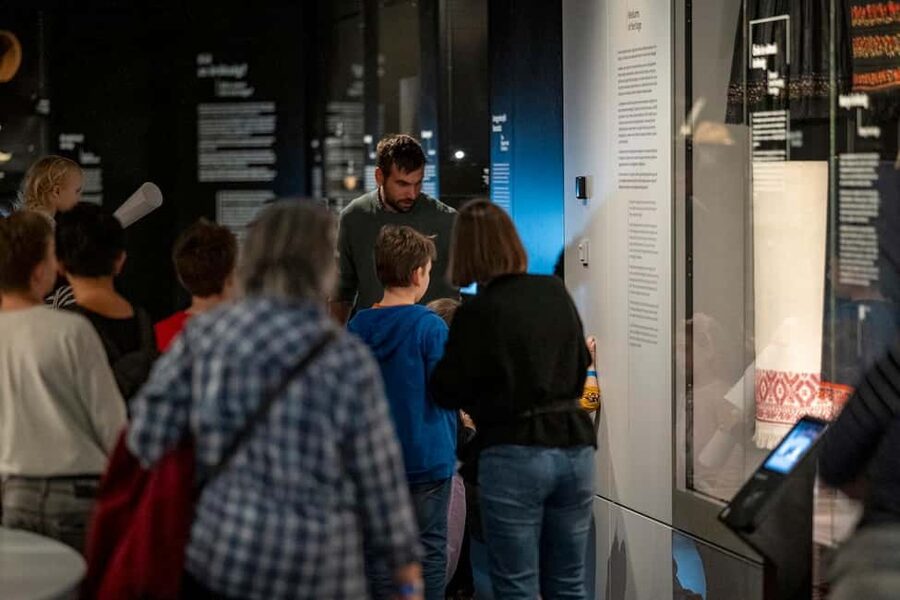
Reviewed · MUSEUMS
Budapest: Museum of Ethnography Official Entry ticket
Folk culture meets a modern building. That mix is exactly what makes the Museum of Ethnography in Budapest so interesting, especially with its new structure from 2022 and a collection of scale. I love the cutting-edge museum design and how it keeps you moving. I also love the sheer depth of objects and media, with 225,000 ethnographic artifacts plus photos, manuscripts, and recordings. One possible drawback: entry can be refused if you arrive too close to closing time, so plan your timing carefully.
If you like culture that feels lived-in, not just staged, this museum is a strong choice. You get a mix of Hungarian traditions and global folk cultures, plus a look at how museums organize knowledge. The experience works well if you enjoy self-guided wandering, since this ticket gives access to the exhibitions without guided narration.
In This Review
- Key things to know before you go
- Museum of Ethnography Budapest: a modern stage for folk life
- Your best way to structure a self-guided day
- The 225,000 artifact collection: what to focus on first
- ZOOM exhibition space and the 2024 Collection Exhibition
- Archives of everyday life: photos, manuscripts, recordings, films
- Contemporary social phenomena through research projects
- Practical tips that keep your visit smooth
- Is this Museum of Ethnography ticket worth it?
- Who should book this?
- FAQ
- Is this ticket valid for one day?
- Does this entry ticket include all exhibitions?
- Are guided tours included with the ticket?
- Are audio guides included?
- Is the museum wheelchair accessible?
- Are backpacks allowed inside?
- Are pets allowed at the museum?
- What items are not allowed?
- Can I cancel and get a full refund?
- Can I reserve now and pay later?
Key things to know before you go
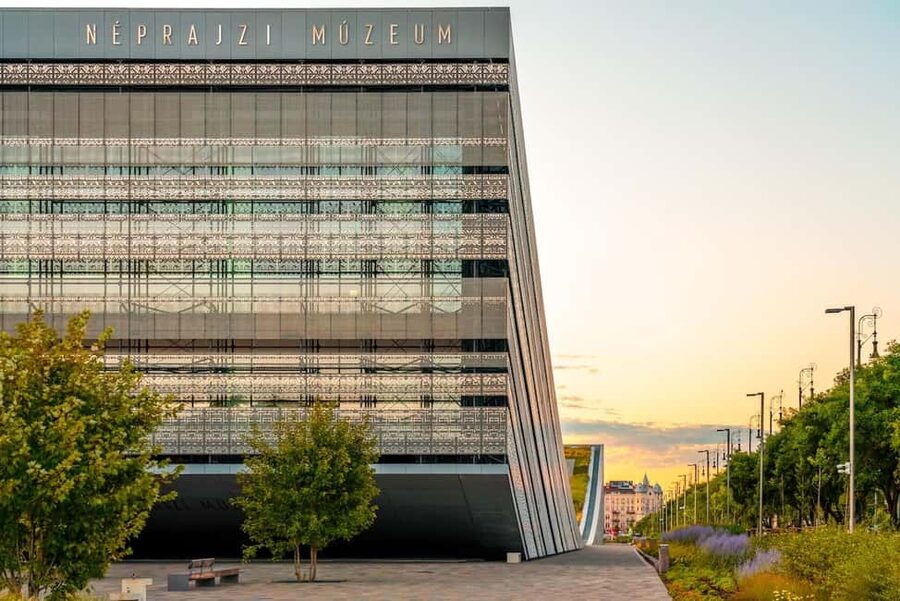
- A modern ethnographic museum: the building opened in 2022, so the space feels contemporary, not dusty.
- Collection depth, not just displays: 225,000 artifacts plus archives of photos, drawings, manuscripts, audio, and films.
- ZOOM exhibition space: you will see the collection presented in a way meant to make you think about how order gets made.
- 2024 Collection Exhibition theme: it focuses on how chaos becomes structured through interpretation and systematization.
- Not just past traditions: research projects connect ethnography to contemporary social phenomena.
- Strict visitor rules: no touching exhibits, no backpacks, and pets are not allowed (assistance dogs allowed).
More Budapest collections out of the weather:
- Budapest: Cat Museum Budapest Entry Ticket
★ 4.4 · 2,210 reviews - Budapest: Light Art Museum Skip-the-Line Entry Ticket
★ 3.9 · 1,531 reviews - Budapest: Budapest Retro Interactive Museum Ticket
★ 4.4 · 569 reviews
Museum of Ethnography Budapest: a modern stage for folk life
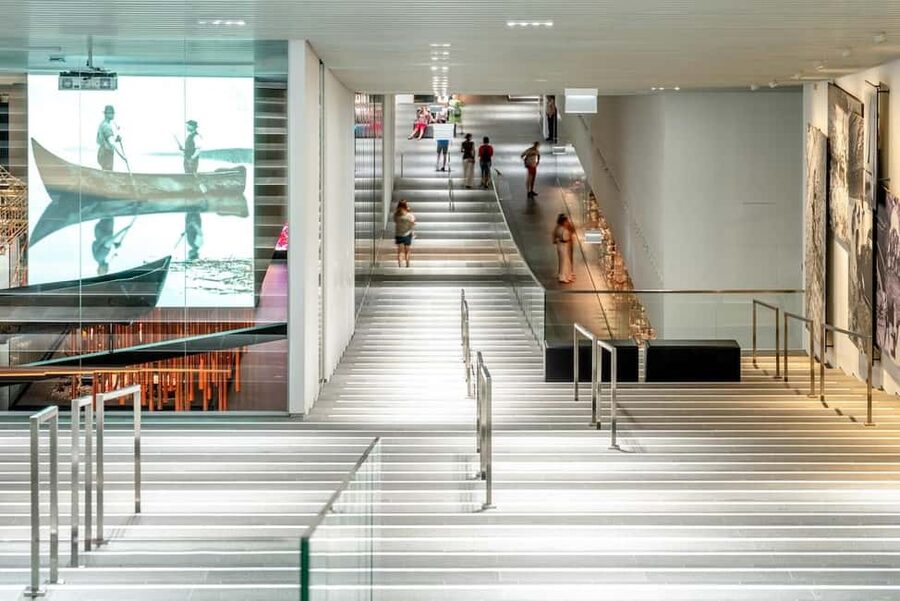
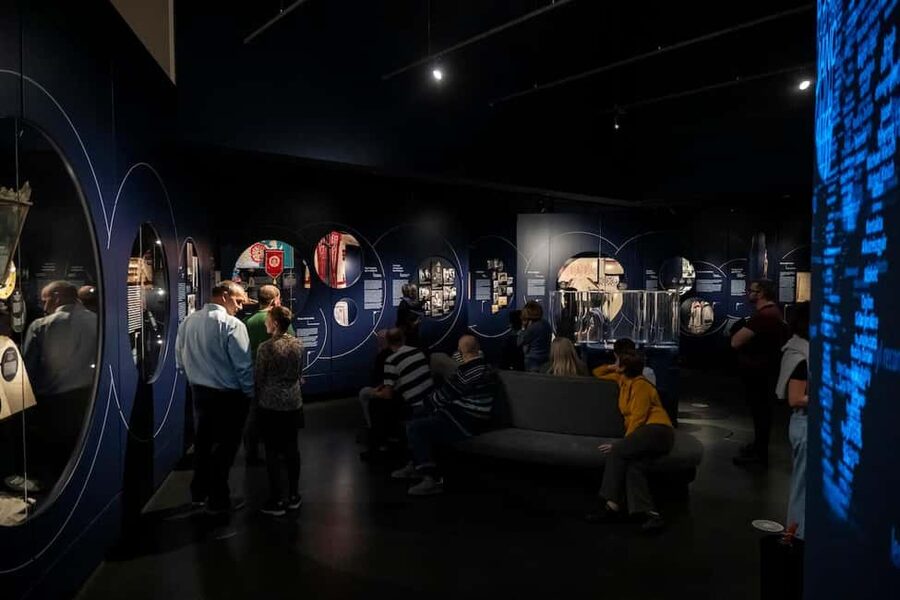
The Museum of Ethnography in Budapest is one of those places where the building and the collection talk to each other. The museum’s new home opened in 2022, and that matters because it changes the vibe from formal display to active looking. Instead of treating folk culture like a frozen museum piece, the museum frames it like ongoing human study.
What I liked most is how the museum doesn’t just show objects. It gives you context, including the materials that usually never make it into a simple gallery visit. You are dealing with artifacts plus a huge archive layer: photographs, drawings, manuscripts, audio recordings, and films. When you have that much material in one place, the museum can show the difference between a tradition as something practiced day to day, and a tradition as something later interpreted and collected.
Your best way to structure a self-guided day
This ticket gives you access to every exhibition the museum offers, with no guided tour included. That sounds basic, but it’s actually a good setup if you like to move at your own pace. You can spend more time where your curiosity pulls you, and skip what you are not into.
Still, the museum is big on ideas as well as artifacts. Plan your day like this: start with the main collection exhibitions, then spend time with the display spaces that explain how interpretation works. End by checking out anything that ties ethnography to present-day social research, since that’s where the visit can feel most relevant.
Also, take the strict rules seriously. No backpacks are allowed, and you cannot touch exhibits. You’ll want a simple, light setup for your visit so you are not dealing with stress at the entrance or around the galleries. And if you are the type who likes a slow coffee before a museum, build in extra time. One booking issue from a prior visitor shows that being late by even a short window can mean you will not be allowed to enter, despite the museum listing a closing time.
The 225,000 artifact collection: what to focus on first
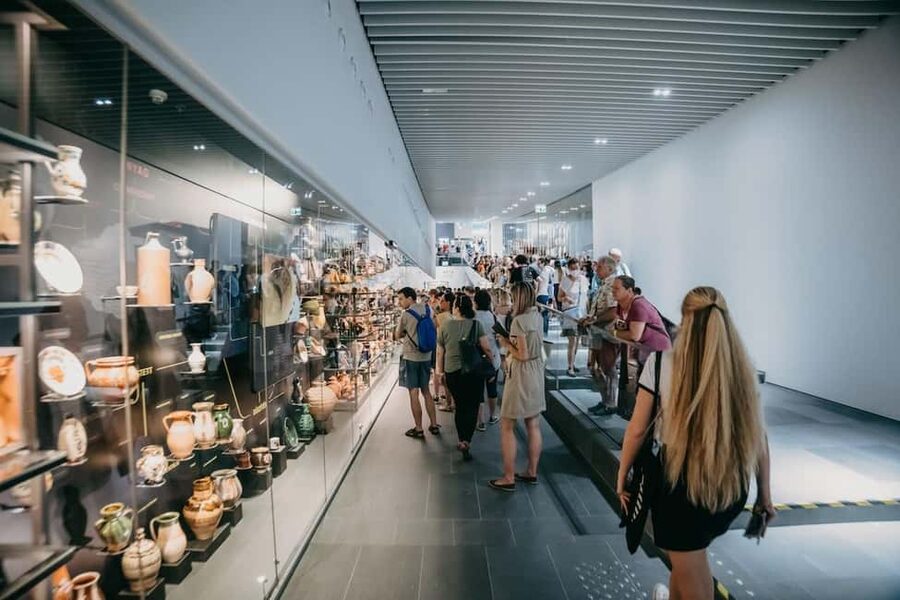
The museum’s collection brings together more than 200,000 individual ethnographic objects, with several hundred thousand items in related media like photographs and recordings. That number can feel abstract, so here’s how you make it practical.
Pick one thread, then let it expand:
- If you care about Hungarian folk traditions, look for the parts of the collection that trace everyday life, local craft, and community culture over time.
- If you are more into comparative culture, focus on the sections that connect Hungarian material to broader global folk cultures.
A smart trick is to pay attention to the time span. The collection covers material from the 17th century to the present day. When you move through that range, you can see how traditions survive, change, and get reinterpreted. That time stretch is one reason ethnographic museums can feel different from art museums. The story is not only style and beauty, it’s how people live, organize, celebrate, work, and remember.
ZOOM exhibition space and the 2024 Collection Exhibition
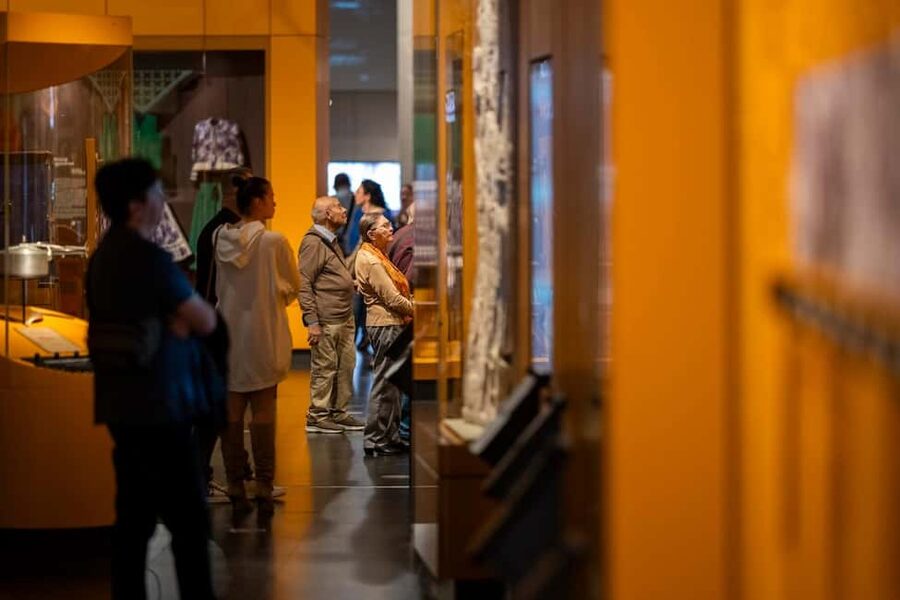
One of the most distinctive things here is the ZOOM exhibition space. The museum describes a huge body of material presented in a kind of raw, almost primal state, like the flotsam of a museal Big Bang. In plain terms, you are meant to feel the scale first, then understand how meaning gets organized later.
The Collection Exhibition opened in 2024, and it focuses on a simple but powerful question: how does chaos become order? The exhibition is built around systematization and interpretation, meaning you will see not only objects, but also the thinking behind how museums sort, label, and explain them.
What this means for your experience is that the museum is not asking you to just look. It’s asking you to notice the process. As you move through the exhibition, you are encouraged to view the same kind of evidence from different angles. That makes the visit especially rewarding if you like museums that show their own methods, not just their results.
If you tend to get impatient with theory, you can still enjoy it. Just focus on what you see: the scale, the variety of sources, and the way the exhibition shifts your perspective.
Some other Danube days worth pricing up




Archives of everyday life: photos, manuscripts, recordings, films
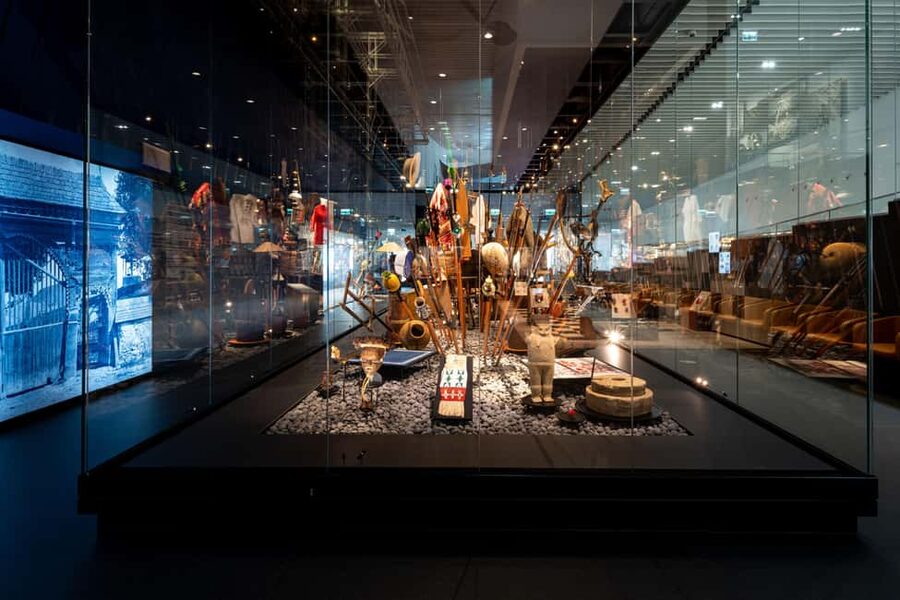
A big part of the Museum of Ethnography experience is its archive-heavy approach. The museum unites objects with related materials: photographs, drawings, manuscripts, audio recordings, and films. That matters because ethnography is not only about objects. It’s also about voices, routines, and memory.
When you encounter archival material, look for the feeling of immediacy. A photograph can show how a tradition appears in real life. A manuscript can show how knowledge was recorded. Audio and film can add tone and movement that a static object never could.
This is also where you can make your visit more personal. If you enjoy learning through media, spend extra time where the museum switches from object-based display to document-based display. If you prefer straightforward storytelling, start in the areas that explain context, then return later for the media you find most compelling.
Contemporary social phenomena through research projects
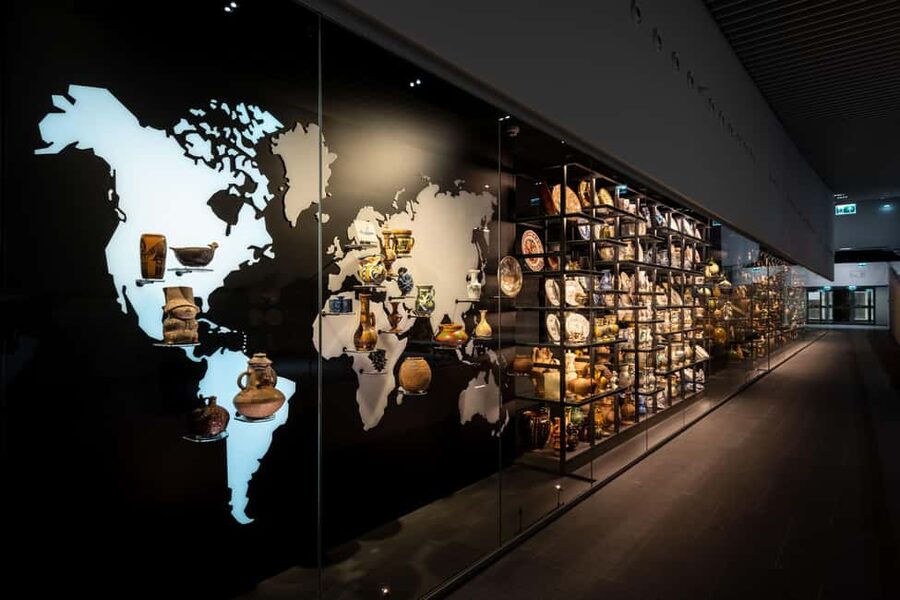
This museum isn’t stuck in the past. It has a role as a hub for contemporary museological research and education, and the exhibitions connect ethnography to current questions about community life.
The museum highlights contemporary social phenomena through its research projects. The takeaway for you is that the visit can feel less like a study of dead traditions and more like a way of understanding how communities work today. You are essentially being shown how ethnographic thinking can apply to modern life: how people form identities, how communities share meaning, and how cultural practices are shaped by the times they happen in.
Even if you do not consider yourself a “culture studies” person, this part helps the museum feel relevant. It’s a reminder that ethnography is an active lens, not just a historical label.
Practical tips that keep your visit smooth

Here are the practical things that most affect how your day feels.
- Timing matters: there is at least one documented problem with entry when someone arrived close to closing and was not allowed in. Treat closing time as firm, not a suggestion.
- Bring as little as possible: backpacks are not allowed. You’ll want a small bag strategy so you can move through galleries without issues.
- Respect the no-touch rule: touching exhibits is not permitted. Plan to look with your eyes, not your hands.
- Pets are restricted: pets are not allowed, though assistance dogs are allowed.
- No guided tour or audio included: you are on your own with the museum’s signage and exhibition text.
- Wheelchair accessible: the museum is wheelchair accessible, so you can plan a visit with that in mind.
If you want an easy day plan, I suggest you start with the main collection areas, then spend time in ZOOM and the 2024 Collection Exhibition to understand how the museum organizes meaning. Finish with the sections connected to research and contemporary social phenomena.
Is this Museum of Ethnography ticket worth it?
If the price you are seeing really is $0.00 per person, this is an easy yes. For free admission to a modern ethnographic museum with 225,000 artifacts and major archival media, the value is hard to beat. Even if you end up paying a non-zero amount, the combination of scope plus the thoughtful framing around how museums create order makes it more than a casual visit.
But decide with one caution in mind. If your schedule is tight, build in buffer time. The museum can be strict about entry near closing, and you do not want a late arrival to spoil a full day.
Who should book this?
Book it if you:
- love ethnography, folk culture, and social history
- want a museum that includes archives, not just objects
- enjoy thinking about how exhibitions are constructed
Skip it or reconsider if you:
- want a casual, low-reading, low-explanation museum day
- hate strict timed entry rules and prefer last-minute plans
FAQ
Is this ticket valid for one day?
Yes. The ticket is valid for 1 day, and you should check availability for starting times.
Does this entry ticket include all exhibitions?
It includes access to every exhibition the Museum of Ethnography has to offer.
Are guided tours included with the ticket?
No. Guided tours are not included.
Are audio guides included?
No. Audio guides are not included.
Is the museum wheelchair accessible?
Yes. The museum is wheelchair accessible.
Are backpacks allowed inside?
No. Backpacks are not allowed.
Are pets allowed at the museum?
Pets are not allowed. Assistance dogs are allowed.
What items are not allowed?
Weapons or sharp objects are not allowed, and nudity is also prohibited.
Can I cancel and get a full refund?
Yes. Free cancellation is available if you cancel up to 24 hours in advance.
Can I reserve now and pay later?
Yes. You can reserve now and pay later to keep your plans flexible.
Newest from the Danube banks
- Gödöllö Royal Palace Privately with full board★ 5.0 · 1 review
- Private Budapest Tour with Thermal Bath or Market Visit★ 5.0 · 1 review
- Private Budapest walking tour – 4 hours★ 5.0 · 1 review
- Budapest Half Day Car Tour with Guide★ 5.0 · 1 review
- Budapest Private Transfer from Budapest city centre to Budapest Airport★ 3.0 · 1 review
- Magic Theme Team Adventure Game in the Streets of Budapest★ 5.0 · 1 review
- Budapest: Eat the Street, food tour with wine, 16+ tasting★ 5.0 · 1 review
- Private Transfer Budapest Airport BUD to Budapest by Car or Van★ 5.0 · 1 review
Museums, compared.

Budapest: Light Art Museum Skip-the-Line Entry Ticket
Read our review →
Budapest: Budapest Retro Interactive Museum Ticket
Read our review →
Budapest Card: Free Public Transport, Spa & Museums with Delivery
Read our review →
Budapest Dohany Synagogue & Hungarian Jewish Museum & free extras
Read our review →
Skip the Line: Budapest Pinball Museum Admission Ticket
Read our review →
Browse the lists this tour appears in