
Reviewed · WALKING TOURS
Budapest: Walking Tour in German
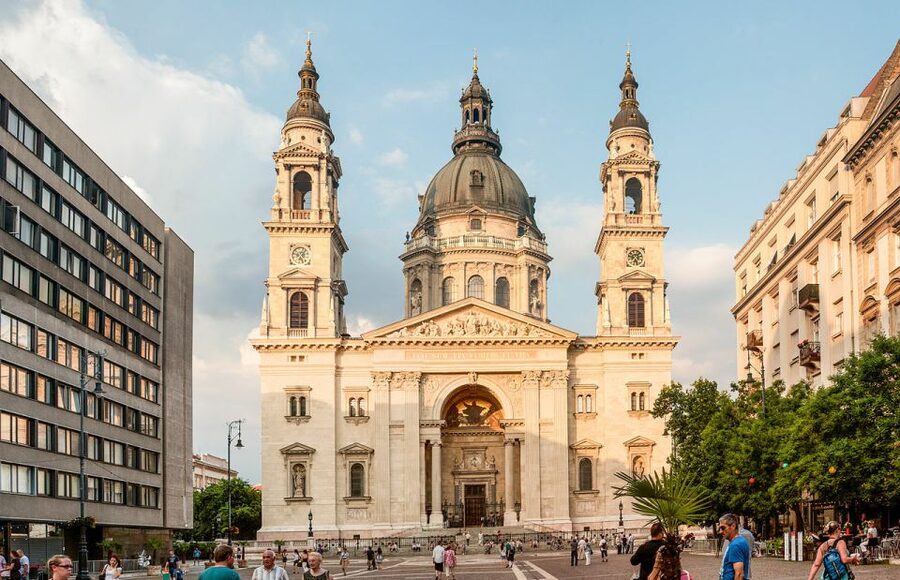
Budapest hits differently with a German guide. I like how this 3-hour walk pairs German-speaking guide storytelling with the city’s landmarks, and I love how St. Stephen’s Basilica becomes your starting point for a sweeping look at Hungarian life across centuries.
The route is mostly on foot, but you’ll cross the Danube using public transport on the way to Buda, and shorts are not allowed.
In This Review
- Key highlights worth planning around
- A 3-hour German-led tour built around Budapest’s visible 1,100 years
- Meeting by St. Stephen’s Basilica, then using it as your compass
- Pest essentials: Leopoldstadt, Parliament area, and the big political monuments
- The Chain Bridge area and crossing the Danube by public transport
- Buda Castle and the Castle Quarter: fortifications, royal spaces, and city views
- Matthias Church and Fisherman’s Bastion: Gothic detail and postcard angles
- What I’d watch out for: German-only, transit segment, and the no-shorts rule
- Price and value: getting $41 of guidance plus the extra transit cost
- The guide experience: clear storytelling and occasional personal touches
- Who this tour suits best (and who might prefer something else)
- Should you book the Budapest Walking Tour in German?
- FAQ
- Where is the meeting point for the tour?
- How long is the Budapest walking tour in German?
- What language is the live guide?
- Is public transport included?
- Are there any clothing rules?
- What is included in the ticket price?
Key highlights worth planning around
- St. Stephen’s Basilica sets the tone, so you understand what you’re looking at before you move on
- A Danube crossing by public transport, with time to see and frame the Chain Bridge area
- Buda Castle fortifications and the Castle Quarter put “power and protection” into real stone and angles
- Matthias Church and Fisherman’s Bastion deliver Gothic details plus some of the best photo lines in the city
- A German-speaking guide who answers questions, so the 1,100-year story actually sticks
- Warm, personal guide moments, like guides named Ewa, Ursula, and Monika picking up extra praise for their delivery and practical tips
More of Pest crossed at walking pace:
- Budapest: Buda Castle Walk with Saint Stephen’s Hall
★ 4.5 · 3,012 reviews - Big Bus Budapest Hop-On Hop-Off Bus and Walking Tour
★ 3.5 · 2,206 reviews - Budapest: Buda Castle District Walking Tour
★ 4.6 · 2,108 reviews
A 3-hour German-led tour built around Budapest’s visible 1,100 years
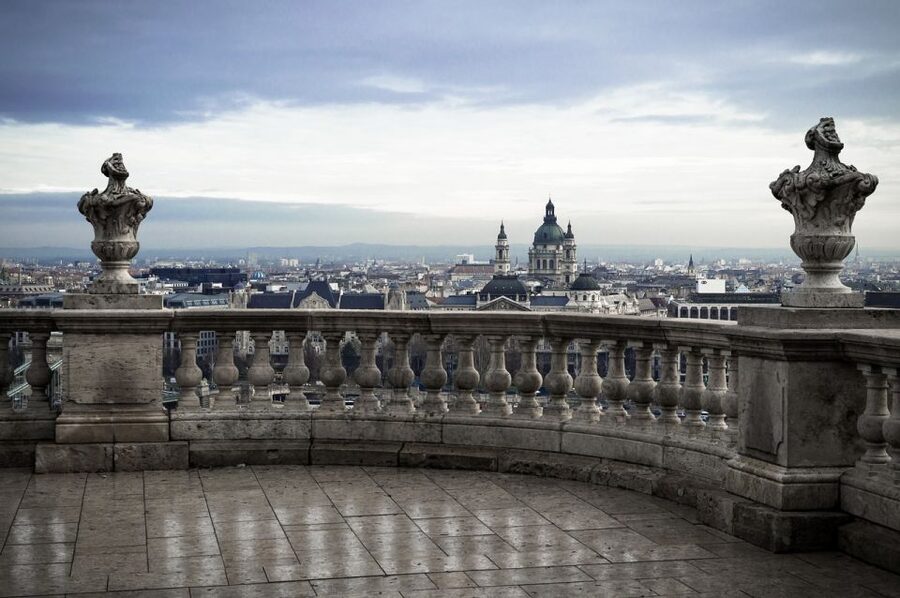
This is a smart first-orientation tour because it doesn’t treat Budapest like a checklist. In about 3 hours, you get major sights on both sides of the Danube, and the guide ties them into a long timeline: from early conquest-era shifts all the way to more recent democratic changes.
What I like is the balance. You’re walking through neighborhoods and viewing architecture, but you’re also learning how Hungary’s identity changed with power, borders, and politics. The city makes more sense when you hear the story while you’re standing right in front of it.
One practical note: this tour is specifically in German. If you’re not comfortable catching details in German, you may find the experience less satisfying even if the sights are stunning.
Meeting by St. Stephen’s Basilica, then using it as your compass
You meet next to Saint Stephen’s Basilica, right in front of the California Coffee Company coffee shop. It’s a good start point because the Basilica is hard to miss, and it anchors the whole walk.
From there, you’ll gradually work through Budapest’s older core, with the guide steering you toward the next “why does this matter?” moment. Expect a mix of landmark viewing and short explanations that help you read the city, not just photograph it.
Also, come ready to walk. This is described as mainly on foot, with only one key transit segment using public transport to cross the Danube. Wear shoes you trust, because you’ll want your footing for steps and viewpoint stops in the Castle area.
Pest essentials: Leopoldstadt, Parliament area, and the big political monuments
On the Pest side, the tour focuses on places that explain how modern Budapest formed and how Central European power played out in public space. You’ll spend time around sights that include the Hungarian Parliament and areas tied to government life, plus the feel of older districts like Leopold Town (Leopoldstadt).
Why this is valuable: Parliament and neighboring civic buildings aren’t just “impressive facades.” When you hear the background while you’re there, you start noticing patterns in what people chose to display at street level. The guide’s job is to connect architecture to history, so you don’t leave with only “wow” and no meaning.
The tour also includes mention of the President’s Palace. Even if you mostly see it from outside, it helps you understand the political geography of Budapest. The point is orientation. You’ll start to see how the city organizes authority along major routes and monumental spaces.
What to consider: the Pest part can feel more like sightseeing city-walking, while the Buda part trends toward viewpoints and stone staircases. If you have mobility issues, this “two-feeling” pacing matters.
The Chain Bridge area and crossing the Danube by public transport
A highlight here is the Danube crossing from Pest to Buda using public transport. You’re also set up to see the Chain Bridge area, which is one of the most iconic lines in Budapest.
This is a practical choice. Walking the full distance across the river on foot isn’t the vibe of this tour. Instead, you ride, you look, and you save your energy for the Castle Quarter where the real verticality starts.
Why I think this works for most people: public transport keeps the tour efficient, so you can cover both sides in a short 3-hour window without feeling like you’re rushing. And the guide can explain what you’re seeing from the right angle at the right moment.
If you’re planning photos, keep your phone ready during the crossing segment. The bridge area gives you classic city framing, and getting it from the correct side of the river is half the trick.
Other ways an evening in Budapest can go:





Buda Castle and the Castle Quarter: fortifications, royal spaces, and city views
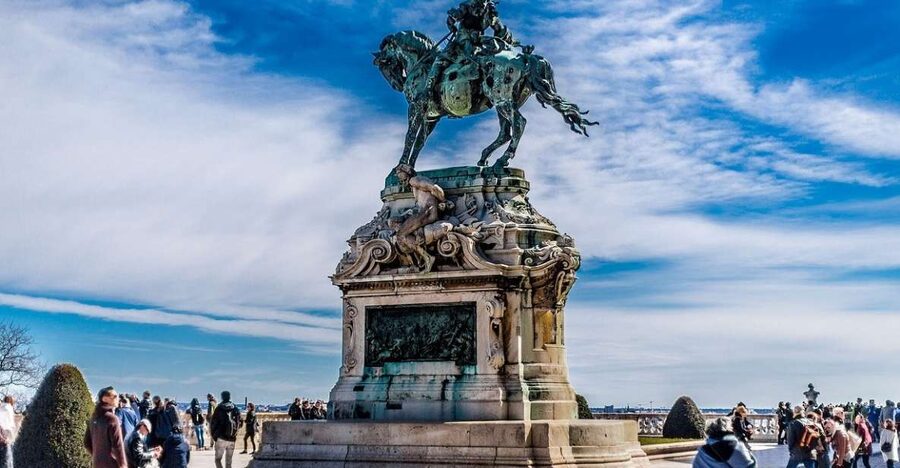
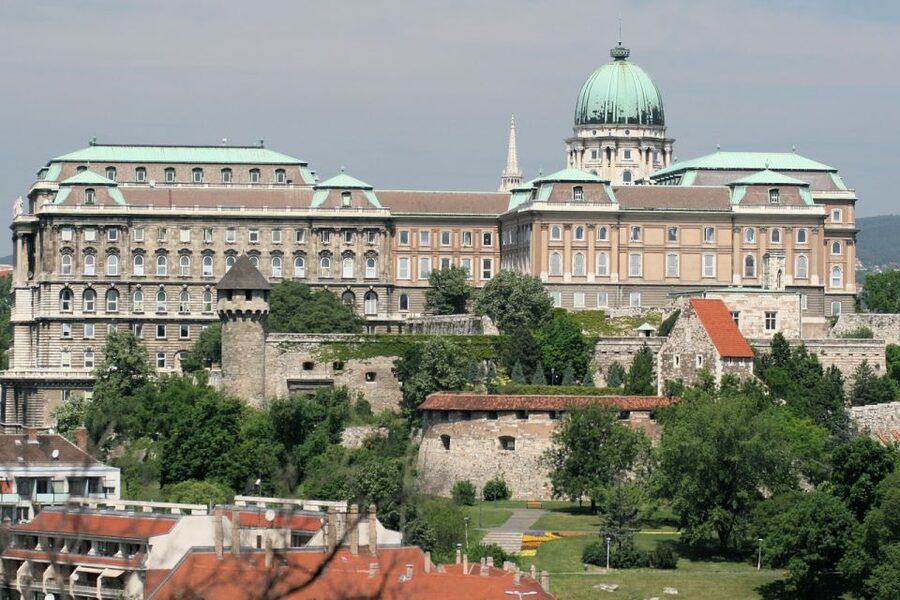
Once you’re on the Buda side, you shift into the part of Budapest that feels made for history lessons. The tour takes you through the Buda Castle area and the Castle Quarter, including the Royal Palace.
You’ll also see the fortified character of this area. It’s one thing to read about fortifications, and another to stand in the thick-walled atmosphere where defense and status were built into the layout. The guide’s 1,100-year thread becomes easier to follow here, because the city’s story is physically layered.
What I’d call the payoff of this section is the combination of:
- Real architectural features tied to power and stability
- Time spent looking outward, not only up close
- City viewpoints that help you understand why this hill mattered
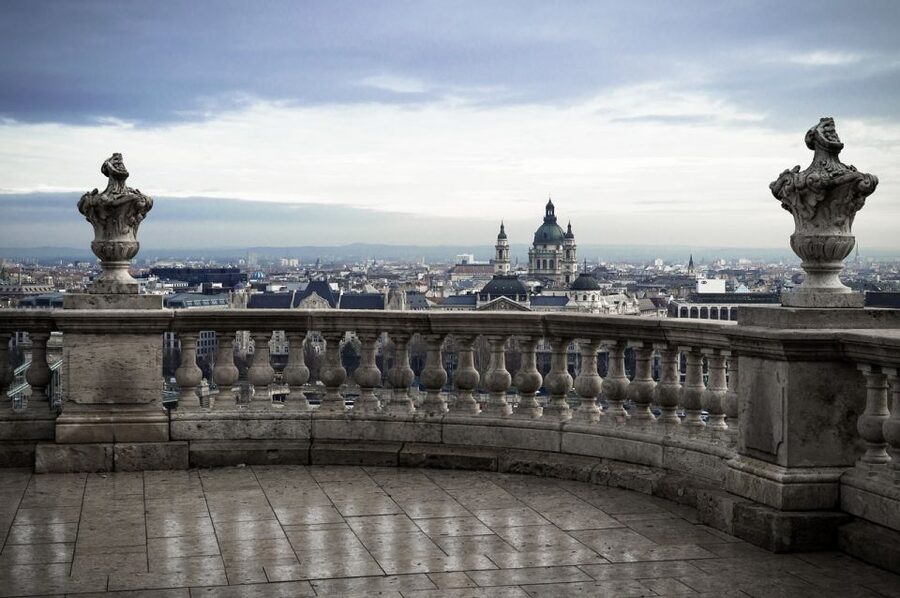
And yes, this is where you start collecting that “Budapest from above” feeling. You’ll get some of the best city angles the tour can deliver within a short time.
Matthias Church and Fisherman’s Bastion: Gothic detail and postcard angles
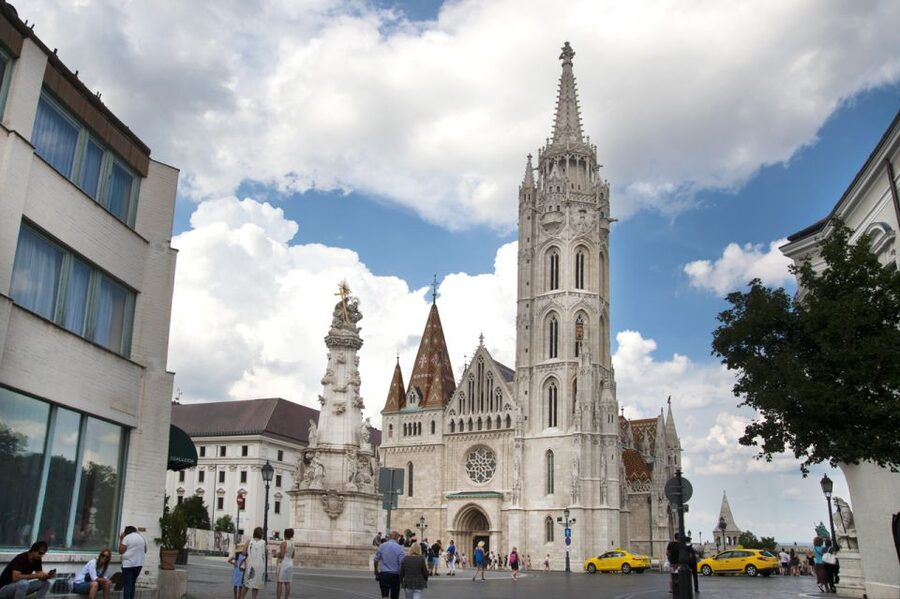
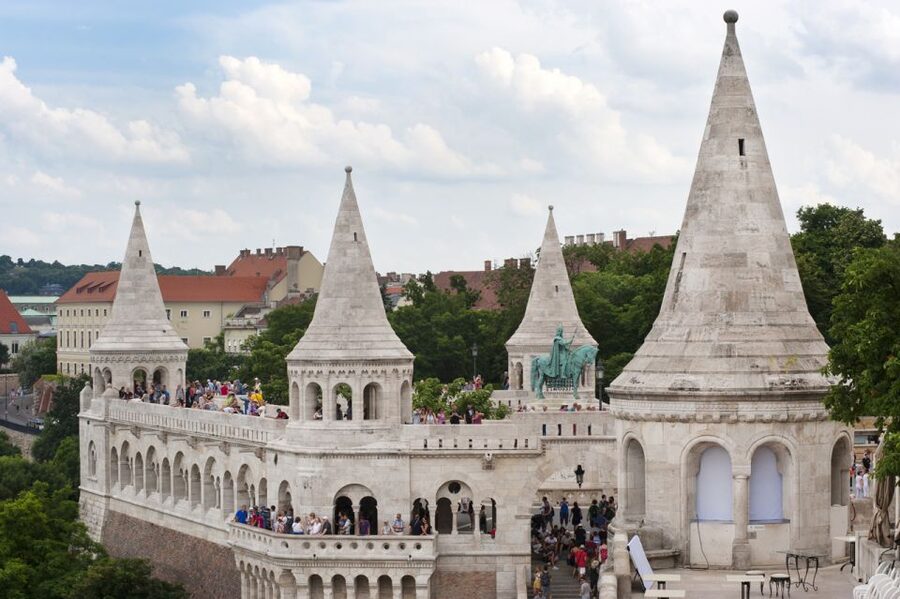
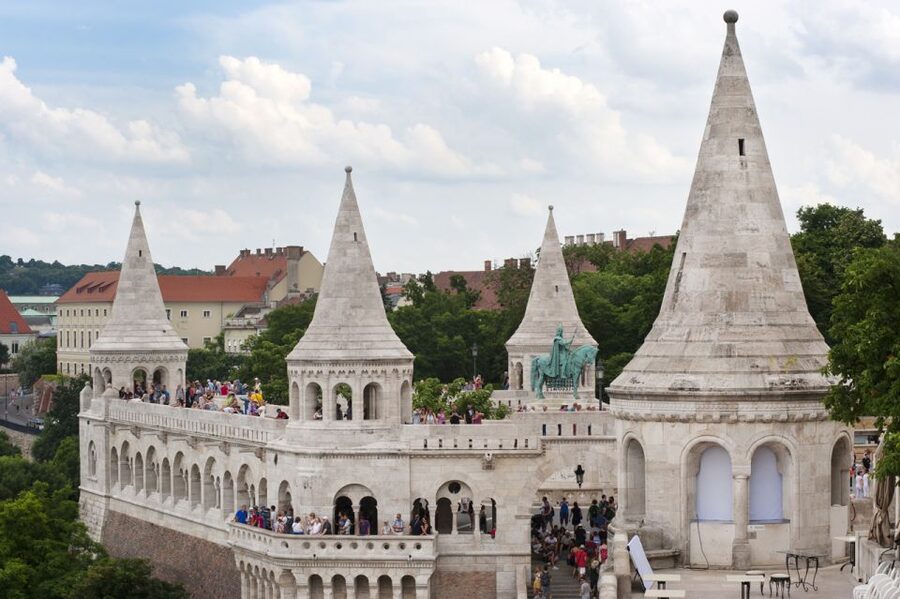
Next up: Matthias Church and Fisherman’s Bastion. This is the portion people usually associate with the classic Budapest look, but here’s the difference. You’re not just taking photos. You’re learning what makes the architecture matter, especially in how Gothic design expresses identity and faith in stone.
Matthias Church is highlighted as Gothic architecture, and it’s a great place to slow down and look at details you might otherwise skip. Fisherman’s Bastion is famous for views, and it earns its reputation. From there, you can see why Budapest’s two halves became such a visual relationship: river movement in the middle, history concentrated on the hill.
Practical note: this section is visually rewarding, but it also means you’ll likely be standing and walking along uneven or sloped areas. If you’re traveling with bags, keep them light. If you’re prone to cold, consider that viewpoints can feel windier than the streets.
What I’d watch out for: German-only, transit segment, and the no-shorts rule
This tour has a few constraints you should treat as planning details, not “small print.”
First, the guide language is German. Past guide experiences have praised how well guides explain things, including named guides like Ewa and Ursula, but the core condition remains: the narration runs in German.
Second, you cross the Danube by public transport. It’s built into the plan, but it means you’re not purely doing a walking-only loop. Plan for a short ride, then back to walking on the Buda side.
Third, shorts are not allowed. That one is easy to fix, but it can ruin your day if you show up thinking it’s a casual stroll. Choose long pants or bring an appropriate alternative before you meet.
Price and value: getting $41 of guidance plus the extra transit cost
The price is $41 per person for a 3-hour guided walk with a German-speaking guide. The guide is the included item, which matters because the tour is clearly built around explanations and question time, not only self-guided photos.
Not included: public transport tickets. The tour notes 4 tickets per person for 1,400 HU. So you should budget both:
- The base tour price
- The additional local transit cost for the Danube crossing segment
Is it still good value? For me, yes, because you’re paying for an organized path across major sights in both Pest and Buda, with history explained while you’re in place. In a short time window, this kind of guided structure often saves you the effort of figuring out where to go next and how to connect the landmarks.
If you can’t or don’t want to spend extra money on transit tickets, then this tour stops being a clean deal. But if you’re okay with that local cost and you want the story in German, it’s a solid way to get oriented.
The guide experience: clear storytelling and occasional personal touches
The success of this tour really depends on the guide. And the guide impressions linked to it point to two consistent strengths: clear delivery and personal engagement.
For example, a guide named Ewa received praise for making the stories interesting, while Ursula earned standout comments for her engaging style, and even a memorable extra moment like singing a Hungarian tune for the group. Another guide, Monika, was highlighted for a warm approach and a practical restaurant tip described as valuable.
You can’t count on every “extra” moment, but the pattern is encouraging. This isn’t just a script read off a page. It’s a guided walk where the person in charge seems to care about how well you understand what you’re seeing.
Who this tour suits best (and who might prefer something else)
This walking tour fits best if you:
- Want a first-time orientation to Budapest in a short time window
- Enjoy learning history while you walk, rather than reading after the fact
- Are comfortable enough in German to follow explanations
- Prefer small or private group formats if you want less crowd pressure
It may not be ideal if you:
- Only speak English and you need detailed narration in your native language
- Hate any transit segments (even a short Danube crossing by public transport)
- Are arriving in shorts and don’t want to change your outfit for a formal-ish city atmosphere in parts of the route
Should you book the Budapest Walking Tour in German?
I’d book it if you’re looking for a structured introduction that connects Budapest’s landmarks to a long political and cultural timeline, and you’re genuinely okay with a German-speaking guide. The combination of St. Stephen’s Basilica as a starting anchor, major civic sights in Pest, and the Castle Quarter viewpoints on the Buda side makes it a high-utility use of 3 hours.
I would hesitate if your German is basic and you need every detail explained in another language. In that case, you might lose the best part of the experience: the storytelling that turns buildings into context.
If you do book, show up at the California Coffee Company meeting point near St. Stephen’s Basilica with comfortable shoes and the right clothing. Then let the guide do what you paid for, which is helping you see Budapest with meaning, not just from angles.
FAQ
Where is the meeting point for the tour?
You meet next to Saint Stephen’s Basilica, in front of the California Coffee Company coffee shop.
How long is the Budapest walking tour in German?
The duration is 3 hours.
What language is the live guide?
The tour guide speaks German.
Is public transport included?
No. Public transport tickets are not included. The tour indicates 4 tickets per person, for 1,400 HU.
Are there any clothing rules?
Yes. Shorts are not allowed.
What is included in the ticket price?
The tour includes a German speaking guide. Public transport tickets are not included.
Newest from the Danube banks
- Pub Crawl Through The Ruin Bars in Budapest with T-shirt Included★ 4.5 · 14 reviews
- Rudas Bistro Premium Brunch★ 3.5 · 14 reviews
- Wine Tasting in the Countryside from Budapest★ 5.0 · 14 reviews
- Buda Castle District and Matthias Church Private Tour★ 5.0 · 14 reviews
- Pest side stories with a Historian★ 5.0 · 14 reviews
- Budapest Rafting – Sunset Cruise★ 5.0 · 14 reviews
- Recirquel Company: Walk My World Immersive Show Entry Ticket★ 4.6 · 14 reviews
- Ram Gorge Hiking Adventure★ 5.0 · 14 reviews
Walking Tours, compared.

Budapest: Buda Castle Walk with Saint Stephen’s Hall
Read our review →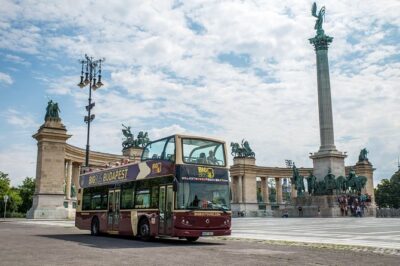
Big Bus Budapest Hop-On Hop-Off Bus and Walking Tour
Read our review →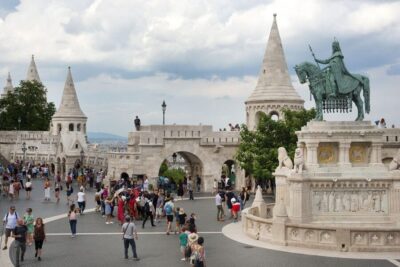
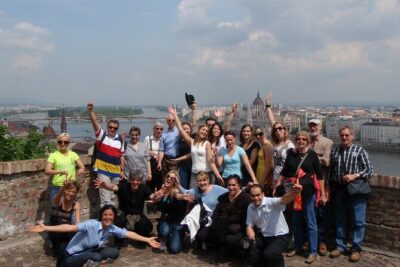
Budapest City Landmarks Walking Tour in 2 Hours
Read our review →
3-Hour Orientation Walking Tour of Buda and Pest
Read our review →
Budapest: 3-Hour Grand City Tour and Castle Walk
Read our review →
Budapest Historical Sightseeing – Free Walking Tour
Read our review →
Budapest All in One Small Group Walking Tour with Strudel Stop
Read our review →Browse the lists this tour appears in