
Reviewed · HISTORICAL TOURS
7 Days Balkan tour to historic Croatia and Bosnia Herzegovina
Gothic streets meet war-scarred stories in seven days. This Croatia and Bosnia route from Budapest strings together Zagreb’s historic core, Plitvice Lakes National Park, Dubrovnik’s walls, Mostar’s bridge area, and Sarajevo’s Latin Bridge, with English guidance for the ride-and-walk rhythm. It also helps that an English-led group can have a guide like Kenny, who has handled both English and Mandarin while keeping the story clear and human.
I love the way the tour mixes headline sights with moments you can actually take in, especially the Plitvice Lakes scenery and Zadar’s waterfront sound-and-light stops like the Sea Organ. You get guided structure, but you still get enough time to slow down and choose what you want to linger on in the old towns.
One thing to consider is that this is a fast-moving itinerary: you will spend a lot of time on the coach, and many attractions have tickets listed as not included, plus gratuities are expected in cash each day.
In This Review
- Key highlights to look for
- Value Check: What $1,160.11 buys you across Croatia, Bosnia, and Hungary
- Meeting in Budapest and the coach rhythm you should plan for
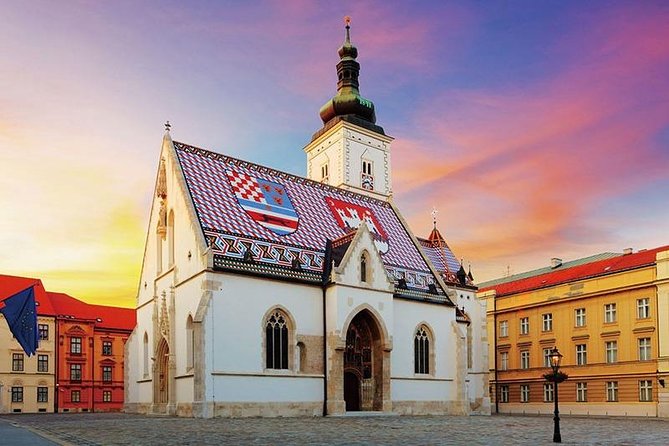
- Day 1 in Zagreb: Cathedral, Ban Jelačić Square, and St. Mark’s Church
- Day 2 Plitvice Lakes National Park: walking trails and silver-blue water
- Day 3 Zadar to Split: medieval streets, the Sea Organ, and Diocletian’s Peristyle
- Day 4 Dubrovnik: Old Town walls, Rector’s Palace, and the Franciscan monastery
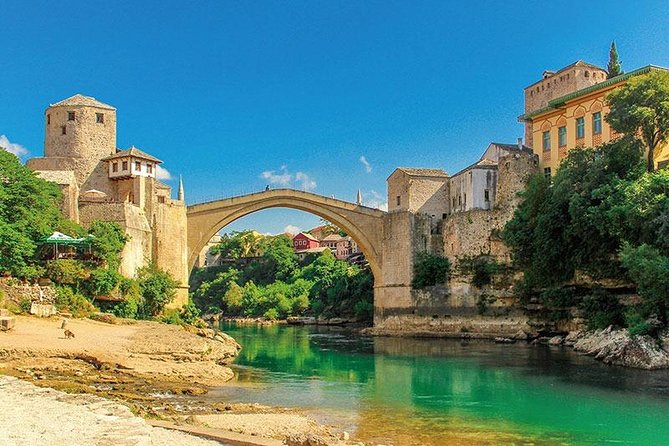
- Day 5 Bosnia focus: Počitelj, Blagaj dervish monastery, and Mostar’s bridge area
- Day 6 Sarajevo and the Latin Bridge, then back to Croatia
- Day 7 Pécs and the return to Budapest
- Who this tour suits best, and who should skip it
- Should you book this 7-day Zagreb, Dubrovnik, Mostar, and Sarajevo route?
- FAQ
- Where does the tour start and what time?
- What language is the tour offered in?
- What meals are included in the price?
- Are attraction tickets included?
- What kind of hotels are included?
- How much luggage can I bring?
- What is the group size?
- Is gratuity included?
- How far in advance can I cancel for a full refund?
Key highlights to look for
- Zagreb’s Cathedral, Ban Jelačić Square, and St. Mark’s Church for a focused first taste of Croatia’s layered skyline
- Plitvice Lakes National Park guided visit with waterfalls, walking trails, and that signature silver-blue water look
- Zadar’s medieval streets plus the Sea Organ right by the waterfront, paired with Split’s Diocletian-style Roman setting
- Dubrovnik’s Old Town sights including walls viewpoints, Rector’s Palace, and the Franciscan complex
- Bosnia day built around Počitelj, Blagaj, and Mostar so you see fortress village, dervish monastery cliff views, then the bridge area
- Return to Hungary with Pécs to close the loop with a cathedral stop and Turkish ruins context
Other centuries stacked along the Danube:
- Budapest: Historic Cruise with Welcome Drink
★ 4.7 · 6,512 reviews - Budapest Historical Sightseeing – Free Walking Tour
★ 5.0 · 1,302 reviews - Buda Castle District Dark History, Legends and Vampire Night Tour
★ 4.5 · 1,240 reviews
Value Check: What $1,160.11 buys you across Croatia, Bosnia, and Hungary
At about $1,160.11 per person for the week, you are paying for the heavy lifting. The big value is not just the hotel bed, it is the logistics: daily air-con coaches, an experienced tour manager, and a route that connects multiple countries without you figuring out schedules or border timing.
You also get accommodation in comfortable 3-star (minimum) hotels with private facilities, plus breakfast (6). That matters because many Balkan trips can get expensive when you start paying for transportation, breakfasts, and guided entrances city by city.
On the tradeoff side, admission is mixed. Some stops are listed as free (like Plitvice Lakes), but several city sights are not included. So think of this as a transport-and-guiding package, not a fully ticketed museum pass. If you like to pop into extra churches, towers, or panoramic viewpoints, you should budget separately.
My practical advice: plan for lunches and dinners yourself. The itinerary includes breakfast only, and personal expenses are also explicitly not included.
Meeting in Budapest and the coach rhythm you should plan for
You start at Budapest-Keleti, Kerepesi út 2-4, with a start time of 8:30 am. The tour ends back at the same meeting point. Expect a day that begins early, then shifts into a steady walking-plus-coach pace.
This kind of group trip also runs on details. You will be asked for your passport name and contact number, plus gender and date of birth, at booking. Bring your passport, because travel rules require it and validity must be at least 6 months beyond your start date.
For luggage, you are limited to one main luggage up to 30 kg and one small hand carry. If you travel light, you will feel the week much more easily, especially because you will be moving between hotels in different cities.
Group size is capped at 30 travelers. That keeps things manageable on foot, but it also means you should expect some waiting, line flow, and schedule tightening during peak attractions.
Day 1 in Zagreb: Cathedral, Ban Jelačić Square, and St. Mark’s Church
Zagreb is the start you want for this route: compact enough to explore on foot, and historic enough to set the tone. The day’s focus is on the core sights around the cathedral area and the medieval street layout.
You will visit the Zagreb Cathedral, then head to Ban Josip Jelačić Square, and finally St. Mark’s Church. This trio is a smart opener because it shows different layers of Zagreb at once. The square is your orientation point, the cathedral gives you scale and architecture, and St. Mark’s adds that recognizable religious-art texture you remember afterward.
What I like about this approach is that it avoids the “checklist only” feeling. The day is positioned as a historic-city introduction, with the reminder that Croatia’s modern story involved hard times, yet the older streets and buildings are still standing strong.
Practical tip: wear shoes you can stand in. Even when the stops are grouped, the old streets and church surroundings mean you will clock more foot time than you think.
Overnight is in Zagreb or nearby, with hotels at minimum 3-star.
Day 2 Plitvice Lakes National Park: walking trails and silver-blue water
Plitvice Lakes is the kind of stop that turns a tour into a memory. Today is built around a guided tour into Plitvice Lakes National Park, described as a network of 16 lakes with waterfalls, walkways, and hiking trails.
The highlight is the look of the water: calcium carbonate rich lakes create that reflective, silvery color effect that makes the surrounding forest seem to double. Add the travertine barriers and waterfalls, and you get scenery that feels like nature turned into architecture.
Plitvice is also valuable because the guided structure helps you navigate. In many national parks, the hardest part is not seeing it, it is choosing where to walk. With a guided route, you avoid spending prime daylight guessing.
Timing note: this day lists 4 hours of activity for Plitvice, and the admission is marked free. That combination makes the day feel like good value even before you factor in hotel night in the area.
Overnight is in Zadar or nearby.
Other ways an evening in Budapest can go:



Day 3 Zadar to Split: medieval streets, the Sea Organ, and Diocletian’s Peristyle
Day 3 blends coast-city vibes with Roman-era atmosphere. You begin in Zadar, where the emphasis is on the medieval feel: narrow streets, older buildings, and a religious atmosphere that still shapes the town center.
Two anchor moments make this day feel special. First is the waterfront showpiece: the Sea Organ (Morske Orgulje), plus the Sun Salutation solar light display. Even if you are not into sound-and-light concepts, it works because it is tied to place, wind, and sea movement.
Second is the pivot to Split, where the itinerary includes the Peristyle of Diocletian’s Palace. This is a great pairing with Zadar because you go from Adriatic city atmosphere to a Roman complex that still dominates the daily life of Split’s old center.
Admission notes vary by stop, but several items here are not listed as included. So if you plan on adding extra viewpoints or museum stops, check on ticketing expectations before you go.
Overnight is in Neum or nearby (minimum 3-star hotels).
Day 4 Dubrovnik: Old Town walls, Rector’s Palace, and the Franciscan monastery
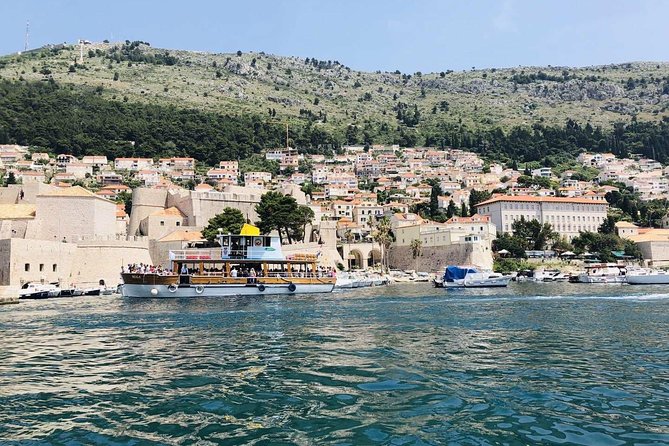
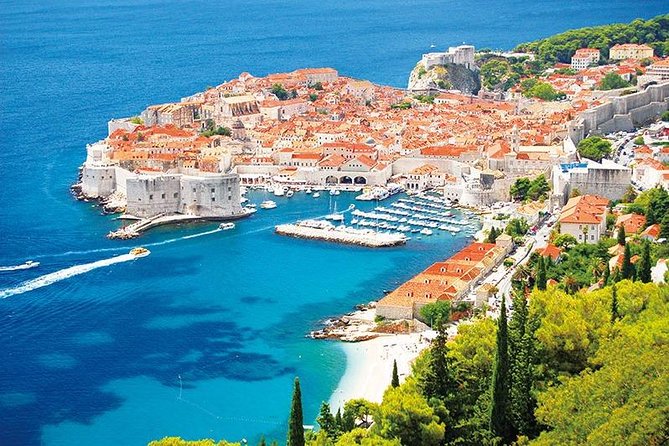
Dubrovnik is one of those destinations where people come expecting beauty, then end up impressed by how well the old city design still works. The itinerary focuses on the classic circuit: the Old Town, city walls, a defensive tower, Rector’s Palace, and the Franciscan Church and Monastery.
You also have an option for the cable car to go up the mountain for city views. That makes sense in practical terms because the walls are great, but elevation gives you an instant map of the whole walled shape.
What I like about the way Dubrovnik is handled here is that it is not just photos. The stops include both civic power (Rector’s Palace) and religious life (the Franciscan complex). Add the walls and a tower, and you understand why this city is protected the way it is.
Expect crowds in the Old Town area, and plan to move with the group rather than against it. When you hit the walls, bring water and take short breaks. The views are worth it.
Most stops in this day are listed as free or ticket-not-included depending on the exact spot, so treat this day as “see the sights with the guide, then decide what else costs money on top.”
Activity time shown includes around 2 hours for the Dubrovnik main block, plus additional Old Town and church/principal-palace time.
Day 5 Bosnia focus: Počitelj, Blagaj dervish monastery, and Mostar’s bridge area
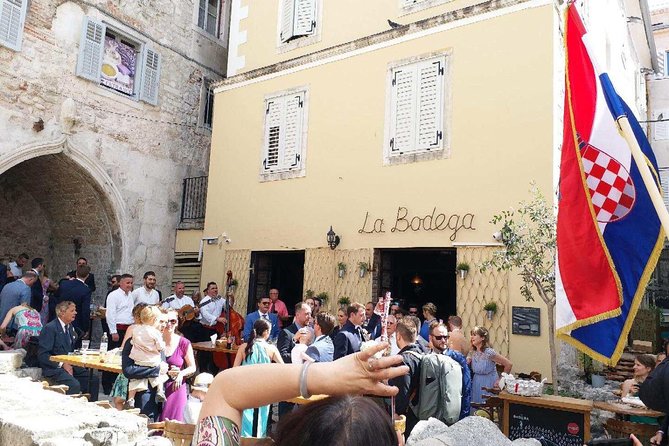
This is where the tour becomes something more than coastal sightseeing. Day 5 shifts into Bosnia and Herzegovina with a structured run of places that show different eras and cultures.
First is Počitelj, the stepped medieval fortress village. It is included as a UNESCO World Cultural Heritage site in the description, which helps you understand why it is preserved and dramatic.
Next comes Blagaj, with the Dervish Monastery set into a cliff about 200 meters high. The description calls out crystal-clear streams around it. This is the kind of stop where you look up at the cliff, then look down at the water, and the whole setting makes sense immediately.
Then you drive to Mostar, where the key moment is crossing or seeing the ancient arch bridge and then spending time in the Old Bridge Area of the Old City of Mostar.
Two reasons this day works for most people:
1) the stops are close enough to stay coherent during the day
2) the variety is real, fortress village to water cliff monastery to river-bridge town center
Admission notes in the itinerary show Počitelj, Blagaj, and Mostar as free for that block, but the Old Bridge Area is listed as not included. So budget accordingly if you plan additional access.
Overnight is in Sarajevo or nearby.
Day 6 Sarajevo and the Latin Bridge, then back to Croatia
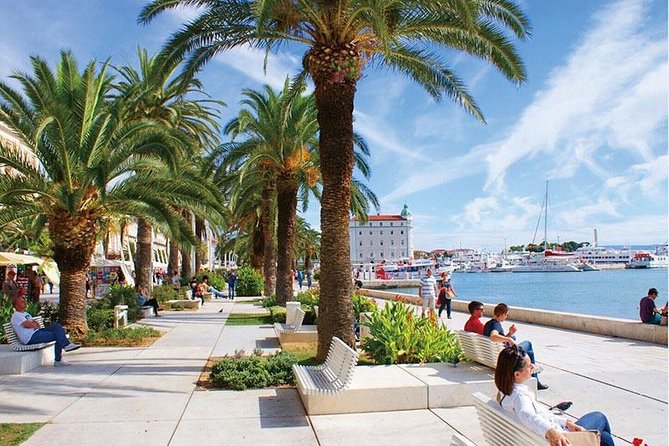
Sarajevo is the emotional spine of this week’s Bosnia segment. The itinerary frames it as a gateway between East and West, and it points to the city’s mix of religions and cultures still visible in the Old Town.
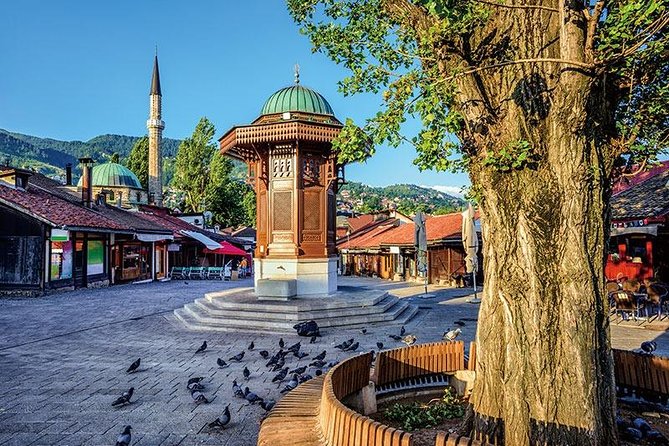
You focus on the Sarajevo Old Town areas connected to major historical markers, then go to the Latin Bridge. This is where the story of the First World War assassination is anchored in place, and there is also a mention of a line on the ground marking the Sarajevo Meeting of Cultures.
What I find practical here is that the route does not treat Sarajevo as a vague “cool city.” It ties stops to named historical points, so even if you move quickly, you still leave with a clear understanding of what to remember.
After the Sarajevo visit, you cross the border into Croatia, then overnight is in Vinkovci or nearby.
Admission notes show Sarajevo as free, while the Latin Bridge has ticket details listed as not included. So keep a little flexibility in your budget for this day, especially if you want to add small paid sights nearby.
Day 7 Pécs and the return to Budapest
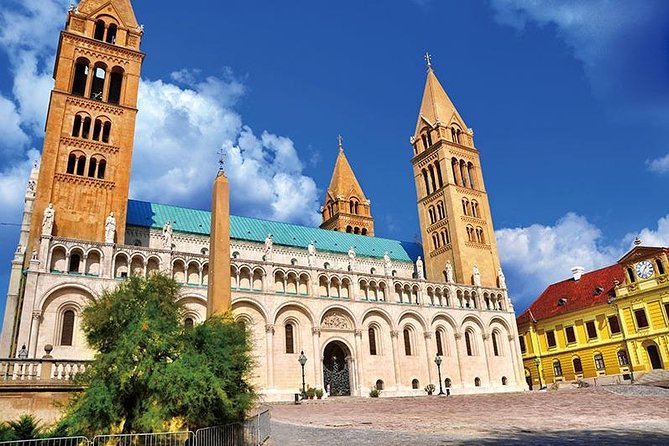
The final day closes the loop by bringing you back to Hungary, with Pécs as the highlight city. Pécs is described as sitting between the Danube and Drava and as one of Hungary’s attractive cities with a long history. The tour calls out a magnificent museum and highlights the best Turkish ruins in the country.
The key stop is the Pécs Cathedral, towering over central Szent István Square. This is a satisfying last “wow” stop because it balances what you have seen in Croatia and Bosnia with a Hungarian landmark style.
Then you drive back to Budapest in the afternoon. If you choose a post-hotel option, you may overnight again in Budapest or nearby.
Admission notes here are listed as free for the main Pécs block, but the cathedral and square are noted as not included for ticketing on the separate stops. So if you want to plan your spending, check which entrances you will actually use on the ground.
Who this tour suits best, and who should skip it
This tour fits best if you want a structured route that hits major Balkan names without building your own plan. It is also a good match if you enjoy guided storytelling because the model includes an experienced tour manager on modern coaches and guided stops across multiple cities.
If you care about seeing both the “big postcard cities” and the “culture and history in smaller towns” side, this itinerary is built for that. Zagreb, Dubrovnik, Plitvice Lakes, Zadar, Mostar, and Sarajevo are different kinds of stops, and they do not repeat the same viewing style back to back.
Who might not love it:
- If you hate coach time, this week will feel like nonstop movement between countries
- If you want a lot of unscheduled wandering with no group timing at all, you may feel the schedule constrain you
- If you want many paid museum interiors, note that ticketing is not consistently included
Should you book this 7-day Zagreb, Dubrovnik, Mostar, and Sarajevo route?
If you want a high-structure, English-friendly Balkan intro with national-park scenery and Bosnia culture built in, this is a strong booking candidate. The cost makes sense for the mix of coach transport, minimum 3-star hotels, and guided sightseeing, especially with Plitvice Lakes marked free.
I would book it if you can handle a packed week and you are comfortable budgeting for optional paid entries. It is also a smart choice if you like being guided to the exact points that matter, from Zagreb cathedral sights to Sarajevo’s Latin Bridge.
If you are the type who prefers one or two bases and slow days, you may want a slower itinerary instead. For a “see a lot, learn the story, move smart” traveler, this one is built to work.
FAQ
Where does the tour start and what time?
The tour starts at Budapest-Keleti, Kerepesi út 2-4, 1087 Hungary. The start time is 8:30 am, and it ends back at the same meeting point.
What language is the tour offered in?
The tour is offered in English. If the English and Chinese groups are combined, there can be one tour leader who speaks both languages and supports you in your preferred language.
What meals are included in the price?
Breakfast is included for 6 mornings. The tour package does not list lunches or dinners as included.
Are attraction tickets included?
Not all. Some stops list admission as free, while others list admission as not included. You should expect to pay for many sites beyond the ones marked free.
What kind of hotels are included?
Accommodation is in comfortable 3-star hotels (minimum), in twin, double, or single rooms with private facilities.
How much luggage can I bring?
You are allowed one luggage item up to 30 kg, plus one small hand carry (purse, backpack, or camera bag).
What is the group size?
The tour has a maximum of 30 travelers.
Is gratuity included?
No. Gratuities are €10 per person per day, collected in cash by the tour manager during the tour.
How far in advance can I cancel for a full refund?
You can cancel up to 3 days in advance of the experience for a full refund, as long as you cancel at least 3 full days before the experience’s start time.
Newest from the Danube banks
- Gödöllö Royal Palace Privately with full board★ 5.0 · 1 review
- Private Budapest Tour with Thermal Bath or Market Visit★ 5.0 · 1 review
- Private Budapest walking tour – 4 hours★ 5.0 · 1 review
- Budapest Half Day Car Tour with Guide★ 5.0 · 1 review
- Budapest Private Transfer from Budapest city centre to Budapest Airport★ 3.0 · 1 review
- Magic Theme Team Adventure Game in the Streets of Budapest★ 5.0 · 1 review
- Budapest: Eat the Street, food tour with wine, 16+ tasting★ 5.0 · 1 review
- Private Transfer Budapest Airport BUD to Budapest by Car or Van★ 5.0 · 1 review
Historical Tours, compared.

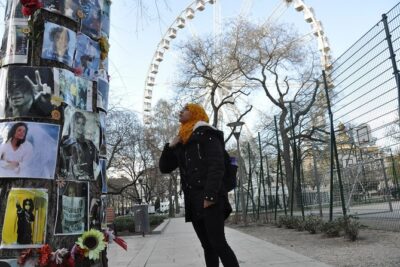
Budapest Historical Sightseeing – Free Walking Tour
Read our review →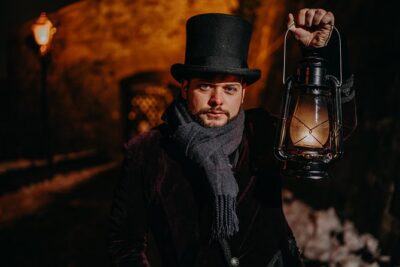
Buda Castle District Dark History, Legends and Vampire Night Tour
Read our review →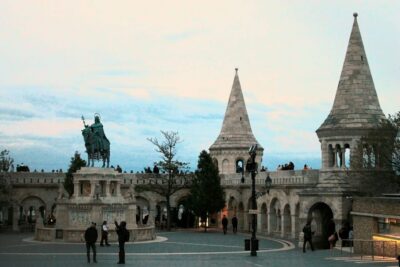
BloodThirsty Hungary: Walking tour & Dark Historical Stories
Read our review →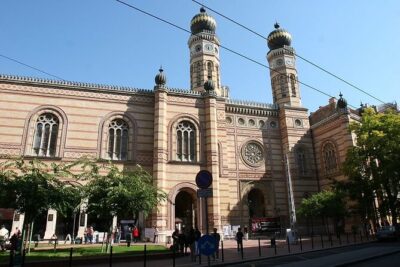
Budapest Jewish Heritage Memorial Walking Tour & Synagogue Entry
Read our review →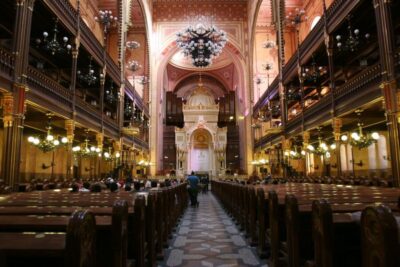
Budapest: Jewish Heritage Guided Tour with Synagogue Ticket
Read our review →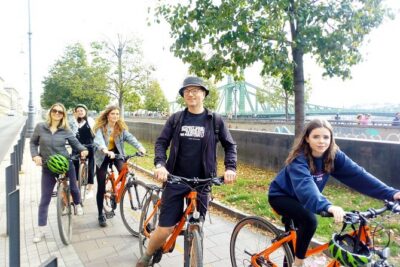
Budapest Historic Downtown Bicycle Tour in small groups
Read our review →
Budapest: Historic Downtown ride on E-Bicycles Buda & Pest
Read our review →Browse the lists this tour appears in