
Reviewed · HISTORICAL TOURS
From Franz Joseph to Viktor Orbán – Hungarian politics & history
Budapest politics can be read like a map. This short, smart walk ties 150 years of Hungary to what you see in front of you on Freedom Square and at the Hungarian Parliament. I like that the route stays tiny and flat, so you can focus, not shuffle. I also like the fact that the guide connects the big events to how Hungarians think and vote today. One possible drawback: the whole tour is in German, so you will want a working level or a friend who can translate along the way.
Your guide, Gábor Glasner, keeps the story grounded in places, statues, and memorials, not just dates. You start at the equestrian statue of Gyula Andrássy and end at Országház, with the Parliament as the anchor point. Expect a mix of history and current affairs, including the rise and fallout of empires, the world wars, the Arrow Cross period, Communist rule, the Wall’s opening, and the politics of Viktor Orbán.
In This Review
- Key highlights worth knowing before you go
- Why Freedom Square is the fastest political timeline in Budapest
- From Andrássy statue to Parliament: how the route keeps you oriented
- The Hungarian Parliament stop: where power turns into a story
- Freedom Square: monuments that explain more than they look like
- The big timeline, from Franz Joseph to the Arrow Cross
- Stalin’s best student and the logic of Communist rule
- Goulash communism to the Wall: when politics changes the rhythm of life
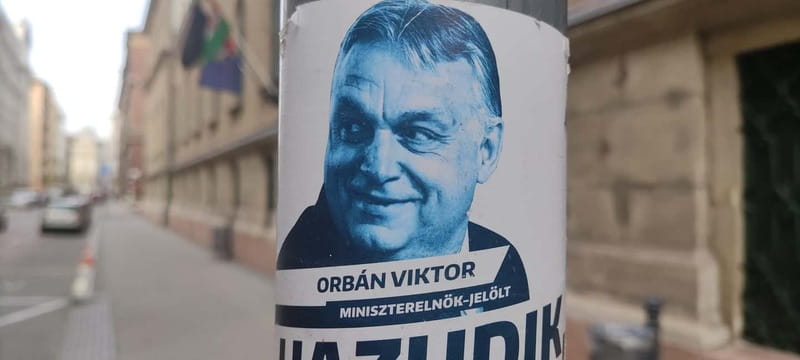
- Viktor Orbán and right-wing populism: connecting past attitudes to today
- What makes this tour feel different: the sociological layer
- Price and value: $129 for up to 10 people
- German-language tour: plan for how you’ll follow the story
- Wheelchair accessibility and walking difficulty: why the route matters
- Who should book this Budapest politics walk
- Should you book: my decision guide
- FAQ
- How long is the tour?
- Where do you meet the guide?
- What stops are included during the walk?
- What is the tour price?
- Is the tour wheelchair accessible?
- Is the tour in German?
Key highlights worth knowing before you go
- 150 years of politics in about 500 meters on mostly flat ground, ideal if you want a focused history hit.
- Freedom Square to Parliament gives you a clean before-and-after view of modern governance in a very old political landscape.
- A sociological angle on the Hungarian mindset, not just rulers and wars.
- German-language storytelling with a live guide ID, so you can track the explanation easily.
- Small private group experience with a total duration of 1.5 hours, good for tight schedules.
- Ending at Országház for a strong finish and context for what you have just learned.
Other centuries stacked along the Danube:
- Budapest: Historic Cruise with Welcome Drink
★ 4.7 · 6,512 reviews - Budapest Historical Sightseeing – Free Walking Tour
★ 5.0 · 1,302 reviews - Buda Castle District Dark History, Legends and Vampire Night Tour
★ 4.5 · 1,240 reviews
Why Freedom Square is the fastest political timeline in Budapest
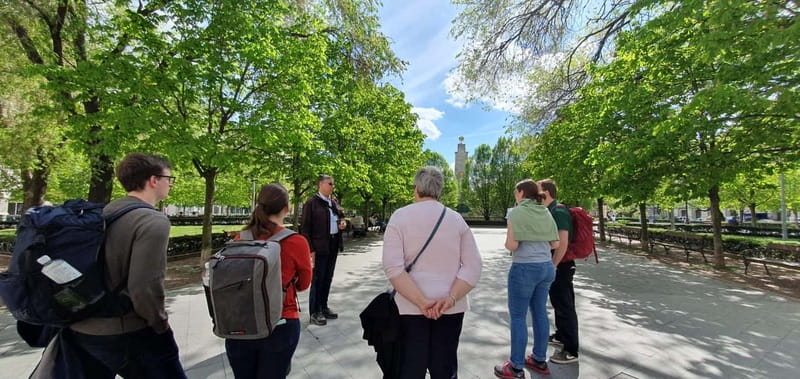
If you have ever felt history lessons are too abstract, this is the antidote. Hungary’s political story is literally staged in stone and symbols around Szabadság Square, and the guide uses those cues to build a clear timeline you can remember.
Freedom Square is not just a pretty city plaza. It is a compact stage for power, ideology, and national identity. In just a short walk, you get the sense of how the country has repeatedly rewritten itself, depending on who held the steering wheel.
What makes this tour useful is the way it ties past to present. You are not only hearing about rulers. You are learning how Hungary’s political debates came to sound the way they do now, including why current right-wing populism lands where it does.
From Andrássy statue to Parliament: how the route keeps you oriented
You begin at the equestrian statue of Gyula Andrássy, the one on the white pedestal at Budapest, Kossuth Lajos tér. This matters more than it sounds. Starting there gives you a historical reference point in the same area where Hungarian national politics shows up today.
From the meeting point, you walk about 15 minutes to the Parliament building. Then you get a guided segment of about 10 minutes focused on what you are seeing and what it represents. After that, the long part of the tour happens at Szabadság Square for roughly 65 minutes, where the guide grounds the story in dozens of monuments and memorials.
The nice part for your legs is the total walking distance is only about 500 meters, and it is flat. That means you can slow down, look up, and listen without the tour turning into a workout.
The Hungarian Parliament stop: where power turns into a story
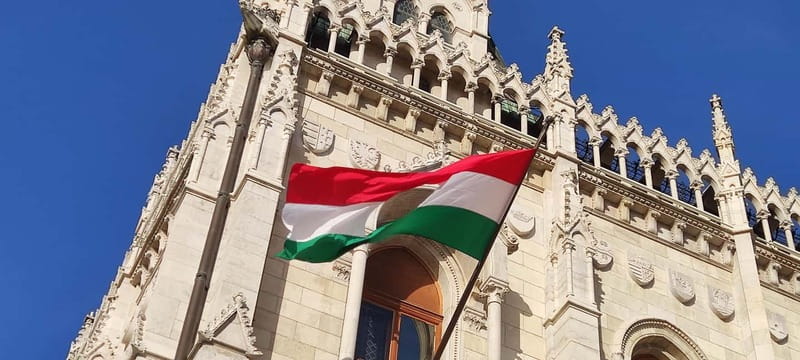
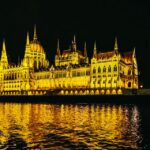
The Hungarian Parliament Building is not just a landmark. It is a visual statement about how a modern state wants to be seen. When the guide brings in context around the building, you start noticing details and symbolism you might miss on your own.
This is also where the pace works. The tour is short, but it does not rush. You get an initial setup at the Parliament, then you move to Freedom Square for the historical body of the story. That sequencing helps your brain file information in the right order.
Keep an eye out for how the guide uses the setting to frame ideas. When politics is explained in the same space where it was performed, the history feels less like a school lecture and more like cause and effect you can track.
Freedom Square: monuments that explain more than they look like
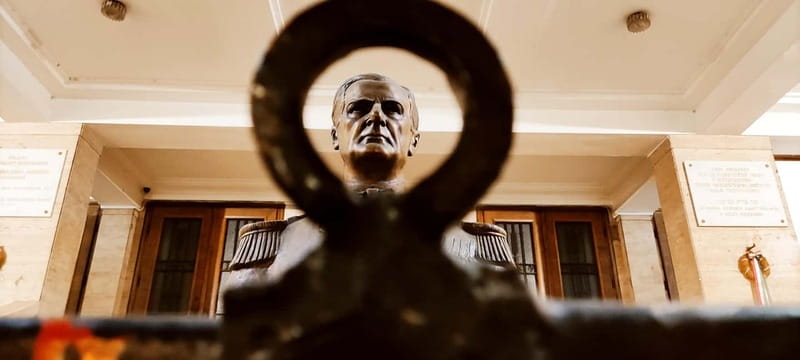
This is the core of the experience. Freedom Square is packed with references to the last 150 years, which makes it a natural “open-air textbook.” The guide uses the square’s statues, memorials, and surrounding buildings to walk you through turning points in Hungarian history.
You also get something extra that many history tours skip: the sociological thread. The guide is not only talking about who won battles or who passed laws. The focus includes the Hungarian mindset, meaning how people think about authority, change, and national fate.
That sociological angle is what makes this tour feel practical. You leave with a better sense of why certain political messages resonate. You also understand why Hungary’s politics can feel stubbornly cyclical, even when the party names change.
Other ways an evening in Budapest can go:




The big timeline, from Franz Joseph to the Arrow Cross
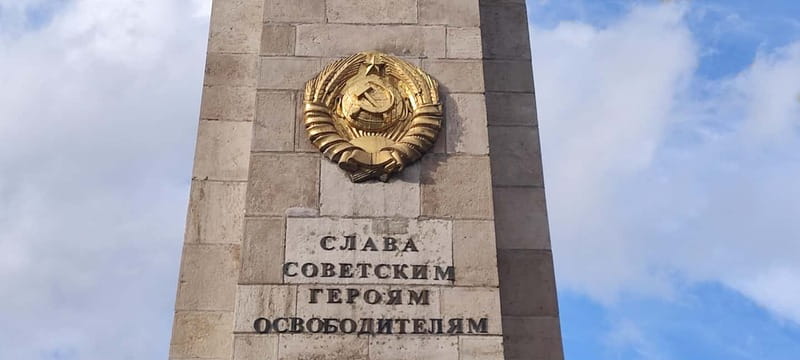
The story starts in the era associated with Franz Joseph, when Hungary’s political identity was shaped within a larger imperial framework. The guide uses this opening to show how stability, compromise, and empire shaped expectations about governance.
Then you move through the shock of the 20th century: the world wars and the collapse and hardening that followed. A key, heavy section covers the Arrow Cross period. This is not the kind of topic you can breeze past, and it helps to have a guide who can connect it to broader political shifts rather than treating it as a standalone tragedy.
If you like history that explains consequences, you will appreciate how the guide builds bridges between eras. You are not only learning what happened. You are learning why the next chapter became possible.
Stalin’s best student and the logic of Communist rule

After the wartime rupture, the tour shifts into Communist history, including Stalin’s best student. Even if you already know the headline idea, the value here is in how the guide frames the era in terms of control, loyalty, and how politics becomes personal.
This section matters because it helps you understand why Hungary’s later political debates were so sensitive to independence and pressure from outside. Communist rule is presented as something that changed systems and daily life, not just the leadership at the top.
You will also get a sense of why people later reacted strongly to the idea of imposed change. That reaction is a major ingredient in understanding the country’s later swing toward different political movements.
Goulash communism to the Wall: when politics changes the rhythm of life
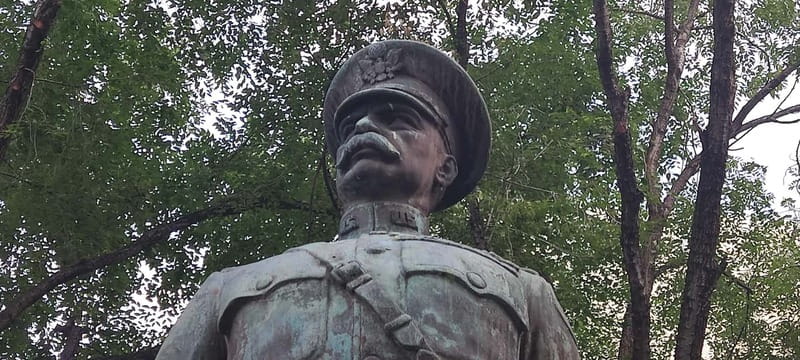
Next comes the period often described as goulash communism. The point is not just the label. The point is the feeling of a society negotiating with power, creating space where it could, and adapting to rules that were never fully comfortable.
The guide also covers the opening of the Wall, which serves as a turning point for understanding how quickly political narratives can flip when external pressure changes. It is easier to grasp the emotional impact when it is connected to what people had been dealing with for decades.
If you want context for why post-Communist politics in Hungary can feel both hopeful and suspicious, this portion is where it clicks. Change is real, but it is never neutral. It reshapes institutions, trust, and who people believe.
Viktor Orbán and right-wing populism: connecting past attitudes to today
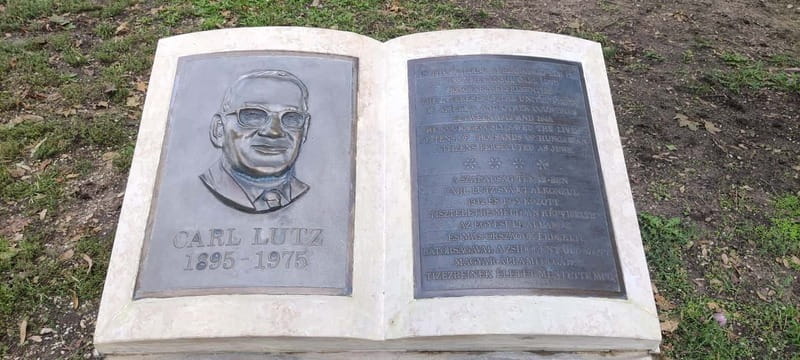
The final stretch brings you into the present political situation, including Viktor Orbán’s right-wing populism. The guide’s job here is to connect today’s politics back to older themes you have already seen on the square.
You do not need to agree with any ideology to benefit from this section. You just need to be curious about how political messaging works when it has historical weight behind it. The tour treats current politics as part of a longer national conversation, not as a random headline.
Ending at Országház helps reinforce this. When you are standing at the Parliament after a story that includes empire, war, dictatorship, and regime change, you start to see politics as a long argument about who should rule and how much autonomy a country really has.
What makes this tour feel different: the sociological layer
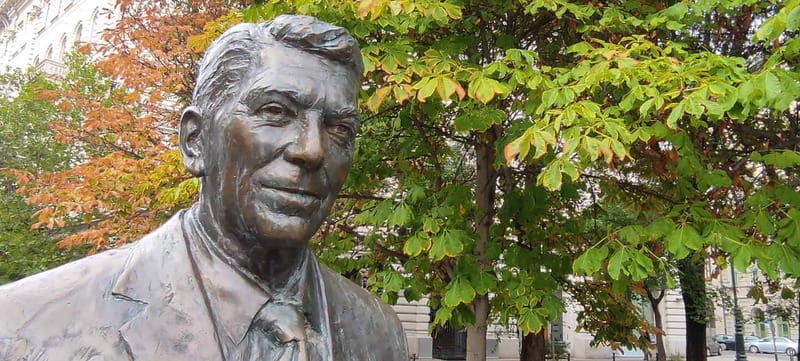
Many tours tell you what happened. This one also tries to explain why people act the way they do.
That sociological emphasis is one of the most praised elements based on the feedback I’ve seen, including strong praise for how the guide made the historical epochs feel genuinely interesting and exciting to follow. It is also why the tour does not feel like a list of facts. It feels like a guided way to interpret the present.
Practical takeaway for you: if you are trying to make sense of Hungarian politics while you are in Hungary, this kind of tour is a shortcut. You are not Googling explanations each night. You are getting a framework up front, then seeing the symbols during the day.
Price and value: $129 for up to 10 people
The price is $129 per group up to 10, for a total duration of 1.5 hours. On paper, that is not a “cheap ticket” in the usual sense. But for a private group, it can be excellent value if you share the cost.
Here is how I’d think about it for your trip. If you are traveling with friends or family and you want a guided political-historical narrative without committing to a full morning, this hits a sweet spot. You get a structured route, a live guide, and a clear focus on the area you walk.
Because the walking distance is small and flat, you also avoid the hidden costs of a long self-guided history day, like getting tired, skipping stops, or losing context.
German-language tour: plan for how you’ll follow the story
This experience is in German. You will want to check your comfort level, especially because the tour covers major political concepts and loaded historical periods.
A practical strategy if your German is limited: bring a translation app, and keep your questions simple. You can also follow along with the visual cues on Freedom Square while the guide speaks. Even when you miss a few words, the stories often align with what you see in front of you.
If you have someone in your group who is fluent, this becomes a very smooth experience. If nobody is, you might still enjoy it, but the historical meaning may not land as strongly.
Wheelchair accessibility and walking difficulty: why the route matters
The tour is designed for a very small area with an approximate total length of 500 meters, and it is flat. It is also described as wheelchair accessible, which is a big deal for a city-center history walk.
If you have mobility limitations, this is the kind of tour that is worth considering because the pacing is not built around long transfers. You get short distances, clear endpoints, and a structure that stays in one compact part of Pest.
Also note the guide provides a tour guide ID visibly around their neck. That helps if you are meeting in a busy public square.
Who should book this Budapest politics walk
This tour fits best if you want:
- A 1.5-hour orientation to Hungarian politics and history without covering the whole city
- A guided explanation of major eras, from Franz Joseph through contemporary right-wing populism
- A route built around symbols, monuments, and memorials, especially around Freedom Square and the Parliament
It is a good choice for couples, friends, or a small group that likes discussion and meaning, not just sightseeing photos. It is also a solid option if you want to understand today’s Hungary while you are physically in the places where the story is still visible.
Should you book: my decision guide
Book it if you want a fast, guided way to understand Hungarian politics as a long storyline. The combination of a tight route, clear stops, and the sociological angle makes it especially useful when you are trying to grasp what you see in the media and what you feel in the city.
Pass or reconsider if German is a barrier for your group, because the tour content is explicitly in German and the history is detailed. Also consider skipping if you prefer lighter, purely cultural walks and you do not want to spend time on heavy 20th century topics.
FAQ
How long is the tour?
The tour lasts about 1.5 hours.
Where do you meet the guide?
You meet at the equestrian statue of Gyula Andrássy on the white pedestal, at Budapest, Kossuth Lajos tér, 1055 Hungary.
What stops are included during the walk?
You start at Gyula Andrássy’s equestrian statue, then walk to the Hungarian Parliament Building. The guided portion focuses on the Parliament and then continues around Freedom Square, ending at Országház.
What is the tour price?
The price is $129 per group, up to 10 people.
Is the tour wheelchair accessible?
Yes. The tour is wheelchair accessible and involves only a very small, flat area, with an approximate total walking length of 500 meters.
Is the tour in German?
Yes. The live tour guide provides the tour in German.
Newest from the Danube banks
- Gödöllö Royal Palace Privately with full board★ 5.0 · 1 review
- Private Budapest Tour with Thermal Bath or Market Visit★ 5.0 · 1 review
- Private Budapest walking tour – 4 hours★ 5.0 · 1 review
- Budapest Half Day Car Tour with Guide★ 5.0 · 1 review
- Budapest Private Transfer from Budapest city centre to Budapest Airport★ 3.0 · 1 review
- Magic Theme Team Adventure Game in the Streets of Budapest★ 5.0 · 1 review
- Budapest: Eat the Street, food tour with wine, 16+ tasting★ 5.0 · 1 review
- Private Transfer Budapest Airport BUD to Budapest by Car or Van★ 5.0 · 1 review
Historical Tours, compared.

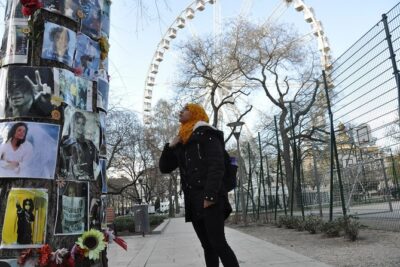
Budapest Historical Sightseeing – Free Walking Tour
Read our review →
Buda Castle District Dark History, Legends and Vampire Night Tour
Read our review →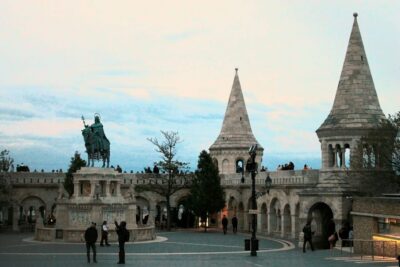
BloodThirsty Hungary: Walking tour & Dark Historical Stories
Read our review →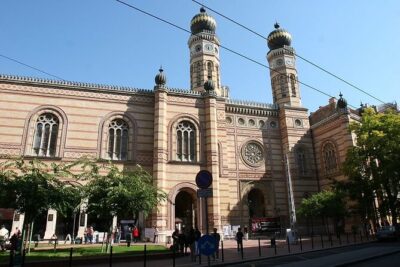
Budapest Jewish Heritage Memorial Walking Tour & Synagogue Entry
Read our review →
Budapest: Jewish Heritage Guided Tour with Synagogue Ticket
Read our review →
Budapest Historic Downtown Bicycle Tour in small groups
Read our review →
Budapest: Historic Downtown ride on E-Bicycles Buda & Pest
Read our review →Browse the lists this tour appears in