
Reviewed · HISTORICAL TOURS
Historical and Cultural Guided Tour of Budapest
Budapest makes sense fast with a guided circuit. This private day lines up the city’s big historical signals in a smart order, so you get context for the statues, churches, memorials, and royal views you see along the way. I especially like the full-day focus and the English-guided pacing that keeps you from wandering aimlessly.
I also like how the tour feels personal in the best way. Guides such as György, Rashad, and George show real pride in the city, and they adjust the flow to match what you care about, whether it’s architecture, political history, or getting your bearings quickly. That attention makes a tight itinerary feel smoother instead of rushed.
One thing to plan for: entry fees can be extra. The itinerary includes several major sights, but some admission is not included, and an inside visit to the Parliament Building requires online booking ahead so you do not lose time.
In This Review
- Key highlights worth paying attention to
- Why this one-day route works in Budapest
- Heroes’ Square: the statues that set the tone
- City Park and Vajdahunyad Castle: architecture as a time guide
- Andrássy Avenue and the Hungarian State Opera House
- Jewish Quarter walk: synagogue area, Holocaust Memorial, and ruin bars
- St. Stephen’s Basilica: a royal relic in a major church
- Parliament Building: walking the exterior and planning for the inside
- Shoes on the Danube Bank: short time, big feeling
- Buda Castle and the Chain Bridge crossing: royal power and city views
- Fisherman’s Bastion: photo payoff with historical flavor
- Guide style and pacing: where the best tours earn their money
- Price and value: $396.52 per group, up to 15
- Practical tips so the day runs smooth
- Should you book this Budapest history tour?
- FAQ
- Where does the tour start and end?
- What time does the tour begin?
- How long is the tour?
- Is this tour private, and how many people are included?
- What is included in the price?
- Are admission tickets included?
- If I want to go inside the Parliament, what do I need to do?
Key highlights worth paying attention to
- Heroes’ Square to Buda Castle in one day: a route that builds meaning as you go.
- City Park plus Vajdahunyad Castle: a walking “timeline” of Hungarian architectural styles.
- Andrássy Avenue and the Hungarian State Opera House: prime grand-street atmosphere and great exterior views.
- Jewish Quarter walk with major memorial context: the area’s history and remembrance sites, not just nightlife.
- Shoes on the Danube Bank: a short stop with serious weight.
- Small-group private guiding: more back-and-forth, less waiting around.
Other centuries stacked along the Danube:
- Budapest: Historic Cruise with Welcome Drink
★ 4.7 · 6,512 reviews - Budapest Historical Sightseeing – Free Walking Tour
★ 5.0 · 1,302 reviews - Buda Castle District Dark History, Legends and Vampire Night Tour
★ 4.5 · 1,240 reviews
Why this one-day route works in Budapest
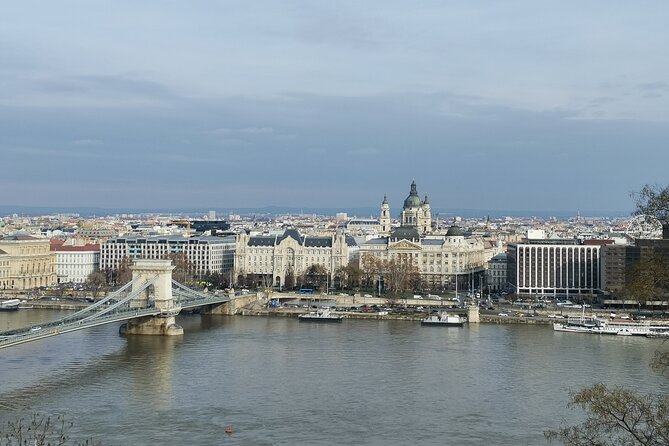
Budapest is famous for looking beautiful from every angle, but it can also feel like several different cities stacked on top of each other. This tour does the organizing for you. You start on the Pest side with national symbols, move through the grand avenues and religious landmarks, then cross to Buda for the castle and skyline payoff.
The other big value is time. In about 7 hours, you hit the major points most people rush through on their own, but with enough explanation to connect the dots. You also get a private guide with hotel pickup, so you spend less energy figuring out logistics and more energy paying attention.
You should expect a steady walk. Not all the day is “marathon,” but it is not a sit-and-stare tour either. If you have moderate physical fitness, you’ll be fine, just bring comfortable shoes.
Heroes’ Square: the statues that set the tone
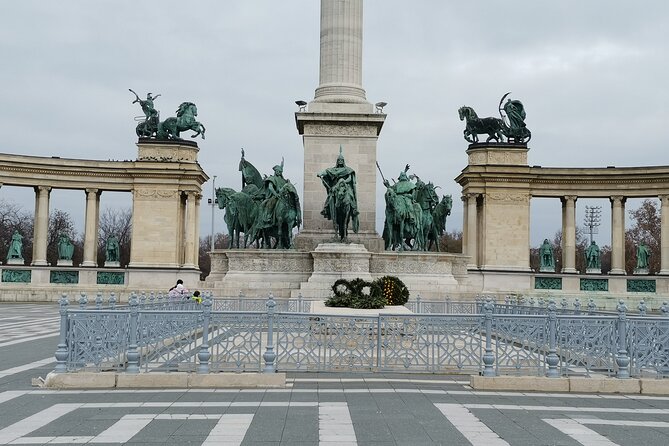
Heroes’ Square is a classic starting point for a reason. The setting is built to look ceremonial and permanent, and the statues across the square quickly explain what Hungarians consider important in their national story. It is the kind of first stop that makes later sights click into place.
This is also a great moment to train your eyes. Once you understand what the monuments are trying to say, you start seeing similar themes again at the Parliament Building, St. Stephen’s Basilica, and around the castle area. You do not need to be a history buff to appreciate the design and symbolism.
Plan on around 25 minutes here. That is long enough for the big picture and short enough that you keep momentum.
City Park and Vajdahunyad Castle: architecture as a time guide
After Heroes’ Square, you head into City Park, one of the world’s early public parks. This is a nice reset from square-and-statue intensity. You get breathing space, shade when the weather cooperates, and a gentle walk that feels like you are getting local-city time, not just checkpoint tourism.
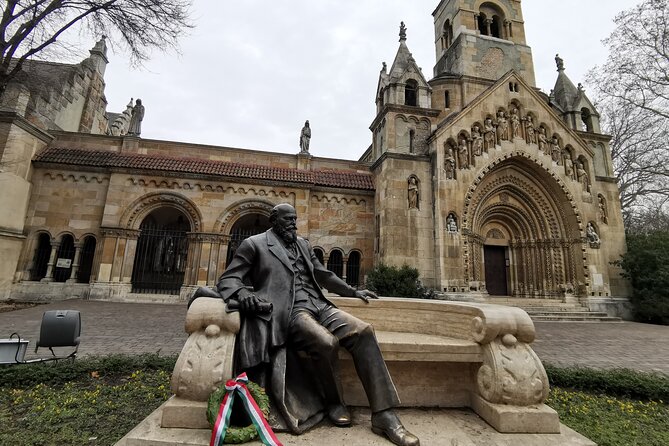
Then comes Vajdahunyad Castle. Even though it looks like a fairytale fortress, it is really a pastiche that reflects Hungarian architectural evolution through different centuries and styles. In plain terms, it is a shortcut to understanding why buildings in Hungary look the way they do.
There is also a notable wellness twist in this area: during the walk in City Park, you will see the largest spa in Europe. You might not go inside for treatment, but seeing it helps you understand how Budapest’s thermal culture is part of everyday identity, not just a tourist slogan.
Andrássy Avenue and the Hungarian State Opera House
Andrássy Avenue is Budapest’s answer to a grand boulevard. It is lined with impressive Neo-renaissance style mansions and townhouses, plus high-end shops and well-known restaurants and coffee houses. Even if you only window-shop, this stretch tells you a lot about the city’s self-image.
The highlight here is the Hungarian State Opera House. You will visit the area tied to one of the most famous buildings on the avenue, and the whole point is exterior appreciation with context. Opera houses are about more than performances. They are symbols of cultural ambition, money, and national pride.
Expect about 30 minutes for the avenue area, then around 20 minutes focused on the opera house stop. This timing works because you get grand-street vibes without it turning into a long slog.
Some other Danube days worth pricing up





Jewish Quarter walk: synagogue area, Holocaust Memorial, and ruin bars
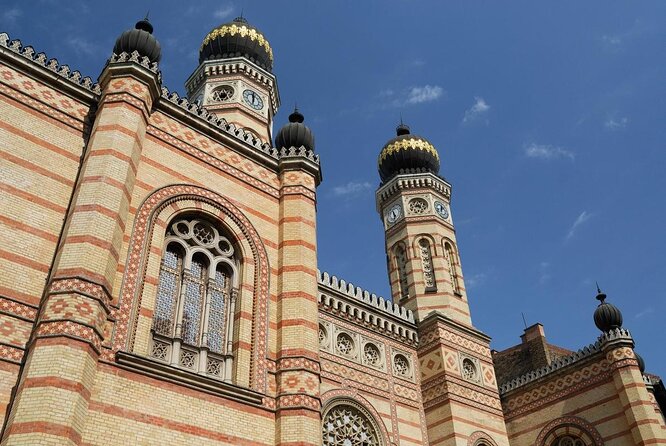
The Jewish Quarter section is about history and memory as much as it is about places you might want to revisit later. You will explore an area connected to the ghetto history of Budapest, including stops tied to the largest synagogue in Europe and the Holocaust Memorial.
You will also get a look at the kind of nightlife the district is known for now, including ruin bars. The key is that you see the contrast with context. It is not just a photo walk. With a good guide, you understand why the present scene sits on top of a tragic past.
Time here is about 1 hour, and admission is not included for the relevant paid sights. If you are sensitive to heavy history, plan your energy for this segment. It is one of the more emotional parts of the day.
St. Stephen’s Basilica: a royal relic in a major church
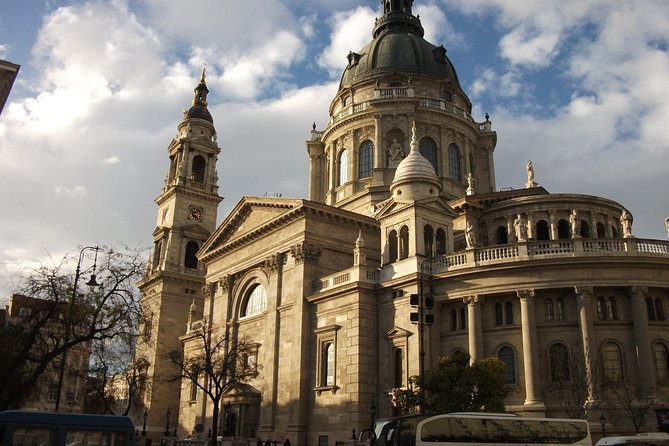
St. Stephen’s Basilica is the largest church in Budapest dedicated to Hungary’s first king. The architecture alone makes it a must, but the emotional pull comes from what it houses.
The basilica is known for an essential relic tied to Hungary’s history: the Holy Right Hand, described as the mummified hand of St. Stephen. That kind of relic makes the building feel more like a living link to national identity than just a landmark.
You’ll spend about 20 minutes here. That is enough time to look up, take in the scale, and understand why the basilica matters to Hungarians beyond religion.
Parliament Building: walking the exterior and planning for the inside
No Budapest highlights list is complete without the Hungarian Parliament Building. It is magnificent on the outside, and the big story is what it represents in Hungary’s political journey, including the communist era, dictatorship, and the events connected to the 1956 revolution.
The tour includes time to walk around and learn about that history, with about 30 minutes allocated for this stop. If you want to go inside, the important detail is that you must book your ticket online ahead of time. Then you send the start time to your guide so they can shape the schedule to match.
This is where the tour’s private style really helps. A standard group tour might keep marching no matter what. Here, the guide can adjust so you have a chance to do the inside visit without derailing the day.
Shoes on the Danube Bank: short time, big feeling
The memorial at Shoes on the Danube Bank is brief by design, and it is powerful. The point is to create a pause in the walk and make you face the human story connected to persecution and violence.
You spend about 5 minutes at this stop. Do not treat it like a quick photo moment. Even with short time, it can change how the rest of the day lands emotionally.
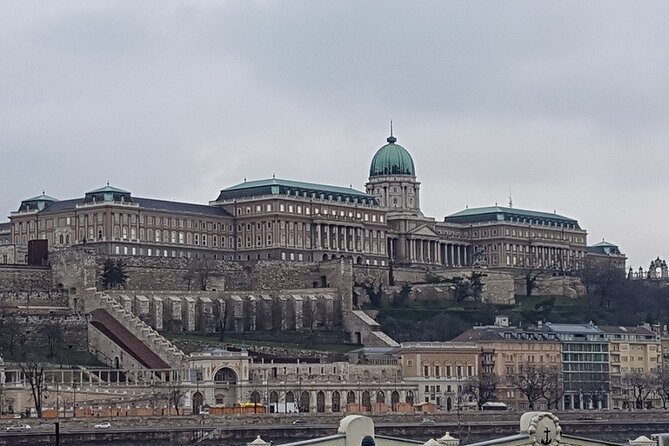
Buda Castle and the Chain Bridge crossing: royal power and city views
Once you cross the Chain Bridge, the atmosphere shifts. You are heading into the Buda Castle area, known as the medieval residence of Hungarian kings from the 14th century. The castle district is full of “look up” moments, and even if you have limited time, you can still get a strong sense of how Budapest’s power center evolved.
This stop runs longer, about 2 hours. That time matters because the area is not a single point of interest. It is a whole zone, and it is where you start understanding why Buda and Pest feel so different.
Fisherman’s Bastion: photo payoff with historical flavor
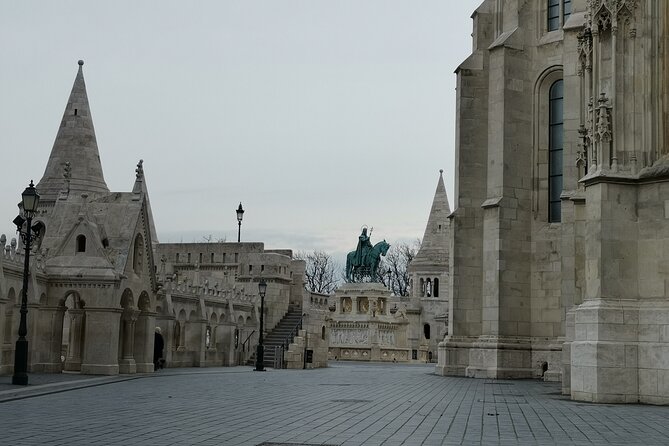
After you explore the castle area, you reach Fisherman’s Bastion. This is one of the best spots for panoramic city views, especially if you want a clear sense of how the river cuts the city in two.
Your time here is about 15 minutes. That’s enough to take photos, soak in the views, and then decide if you want to come back later on your own for longer.
It is a good closing chapter. After hours of history, this is where the city looks like a postcard and you finally feel oriented.
Guide style and pacing: where the best tours earn their money
The tour succeeds because the guide work is not generic. You get full attention in a private setting, and the guides who lead this experience tend to be friendly and proud of Hungarian culture. Names you may see include György and Rashad, and the emphasis is on clear English and practical explanations that help you connect what you see to why it matters.
In particular, you benefit from two guide behaviors:
- They explain context at each stop, so buildings and memorials do not feel random.
- They adjust the day based on what you want to focus on.
That makes a difference when you have limited time in Budapest. If you care more about architecture, you will get more guidance on what to notice. If you care more about politics and memory, the story stays grounded there instead.
And yes, this day is packed. You will do more walking than some “highlights only” tours. You’ll be happier with comfortable shoes and a light daypack.
Price and value: $396.52 per group, up to 15
The price is $396.52 per group for up to 15 people, with a duration of around 7 hours. That is not “cheap,” but it is also not the typical solo-tour price. The value comes from what you are buying: hotel pickup, a private guide, and a route that tries to cover the main historical spine of Budapest in one shot.
Here is the practical way to think about value:
- If you travel in a small group, you likely pay a bit more per person than larger groups.
- If you are a family or a small circle of friends, the per-person cost can get reasonable fast.
- You also save time and decision fatigue, which is usually what people underestimate on their first day in a new city.
One more cost note. Entry fees are listed as extra, and that lines up with the fact that some stops include paid admission. So budget a bit for individual sites if you want to go inside museums or paid areas.
If you are the type who wants to get bearings on day one and then explore at your own pace for the rest of your trip, this price can make sense.
Practical tips so the day runs smooth
A few things to plan before you show up.
Bring comfortable shoes. The day includes multiple districts and a steady walk, plus time outside at several major landmarks. You will want footwear that handles uneven stone and long sidewalks.
Expect tickets for specific inside options. The Parliament Building interior requires advance online booking if you want to add it. For other sights where admission is not included, you may need to pay at the time depending on what you choose to enter.
Use the mobile ticket. The tour includes a mobile ticket, which is typically the easiest way to manage check-in and keep everything in one place.
Plan your energy around heavy stops. Shoes on the Danube Bank and the Jewish Quarter memory sites carry emotional weight. It helps to treat them as moments of focus, not distractions between photo stops.
If you are on a tight schedule, still consider this tour. The itinerary moves efficiently between major areas, and that matters when you only have one full day.
Should you book this Budapest history tour?
Book it if you want a clear, guided route that hits the main historical and cultural landmarks in a single day, with enough explanation to understand the meaning behind them. It is a strong choice for first-timers who want to get oriented fast, and for anyone who likes their sightseeing with context instead of checklists.
I would reconsider if you hate walking, or if you mainly want spontaneous wandering without a fixed structure. Also, if you are hoping for fully included entry to every single paid site, you should know admission fees are extra and some inside access like Parliament needs pre-planning.
If you do book, do one thing that pays off later: after the tour, pick 2 or 3 places you cared about most and return to them on your own. This day gives you the why, then your free time gives you the how.
FAQ
Where does the tour start and end?
The tour starts in Budapest, Central Hungary, and it ends back at the meeting point.
What time does the tour begin?
The tour starts at 9:00 am.
How long is the tour?
The duration is about 7 hours.
Is this tour private, and how many people are included?
Yes, it is a private tour/activity, and the group size can be up to 15 people.
What is included in the price?
The price includes a local guide, a professional guide, the private tour, and hotel pickup.
Are admission tickets included?
No. Entry fees are extra, and admission is noted as not included for the Jewish Quarter and for the Hungarian Parliament Building inside visit.
If I want to go inside the Parliament, what do I need to do?
You should book your Parliament interior ticket online before the tour, then send the start time to the guide so they can adjust the schedule.
Newest from the Danube banks
- Gödöllö Royal Palace Privately with full board★ 5.0 · 1 review
- Private Budapest Tour with Thermal Bath or Market Visit★ 5.0 · 1 review
- Private Budapest walking tour – 4 hours★ 5.0 · 1 review
- Budapest Half Day Car Tour with Guide★ 5.0 · 1 review
- Budapest Private Transfer from Budapest city centre to Budapest Airport★ 3.0 · 1 review
- Magic Theme Team Adventure Game in the Streets of Budapest★ 5.0 · 1 review
- Budapest: Eat the Street, food tour with wine, 16+ tasting★ 5.0 · 1 review
- Private Transfer Budapest Airport BUD to Budapest by Car or Van★ 5.0 · 1 review
Historical Tours, compared.

Budapest Historical Sightseeing – Free Walking Tour
Read our review →
Buda Castle District Dark History, Legends and Vampire Night Tour
Read our review →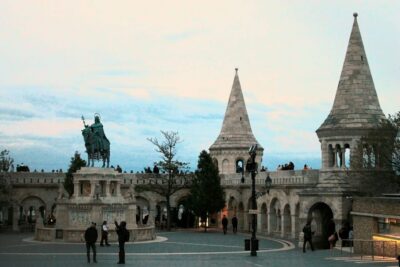
BloodThirsty Hungary: Walking tour & Dark Historical Stories
Read our review →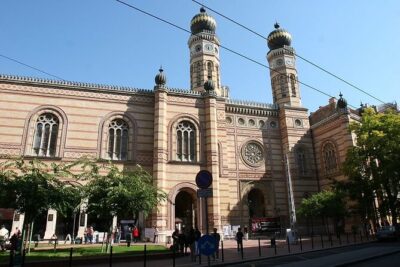
Budapest Jewish Heritage Memorial Walking Tour & Synagogue Entry
Read our review →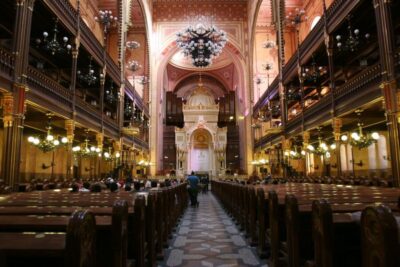
Budapest: Jewish Heritage Guided Tour with Synagogue Ticket
Read our review →
Budapest Historic Downtown Bicycle Tour in small groups
Read our review →
Budapest: Historic Downtown ride on E-Bicycles Buda & Pest
Read our review →Browse the lists this tour appears in