
Reviewed · COMMUNIST-ERA TOURS
Budapest: 3-Hour Walking Tour About Communism (Small Group)
Communism in Budapest is not a museum topic. It is etched into the streets, and this 3-hour small-group walk makes the era feel human, not abstract. I especially like how the tour pairs historian-level context with family stories that cover the daily costs and the occasional comedy.
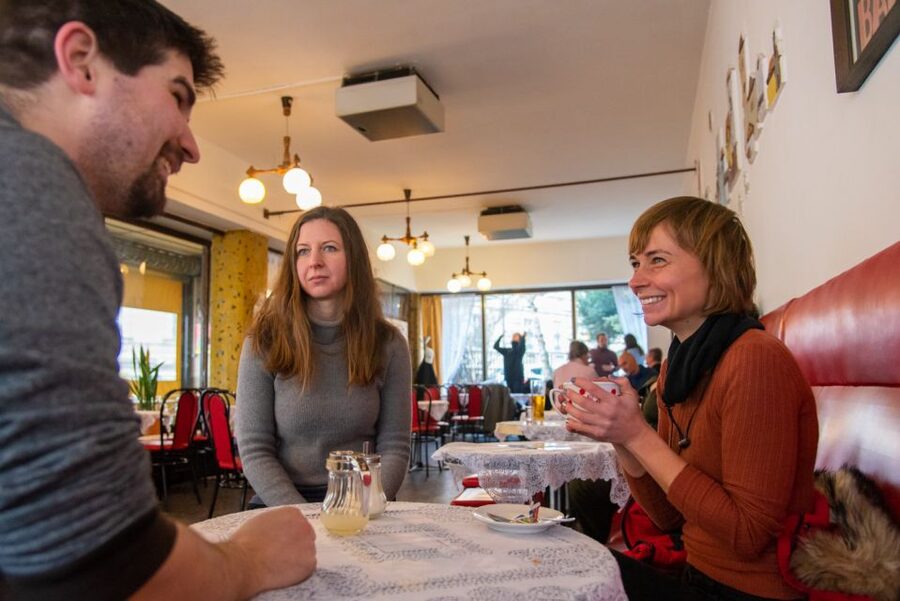
What I like most is the way you get a clear narrative thread, from WWII through the 1956 revolution and on to 1989 and the early 1990s. You also get a rare bonus: a drink in a retro café that has changed little since 1961, which turns the tour from facts into a real moment.
One consideration: this is not set up as a strict, year-by-year textbook route. If you need a perfectly chronological history of Communism in Hungary, you may want to bring extra reading or pair it with a different tour.
In This Review
- Key highlights to know before you go
- Communism in Budapest, told through streets you can still walk
- Meeting at Kempinski Corvinus, then starting from Deák tér
- Pest-side remnants of Communism, from WWII to 1956 and beyond
- Family stories that make ideology feel personal
- Riding the red M2 subway, a small transport moment with big context
- The retro café drink that anchors the whole story in everyday life
- Price and value: why $57 can make sense for 3 hours
- Who should book this tour, and who might want a different option
- Should you book the Budapest Communism walking tour?
- FAQ
- How long is the Budapest Communism walking tour?
- Where do I meet the guide?
- Is the tour in English?
- How big is the group?
- What is included besides the guide?
- Is the tour only walking?
- Is there free cancellation?
Key highlights to know before you go
- Historian guide format, with room for your questions and discussion as you walk
- Small group capped at 10, which helps you actually talk, not just listen
- WWII to 1989 storyline, anchored in physical remnants around Pest
- Red M2 subway ride, included to connect the era to how people move through the city
- Retro café drink, held up as a living snapshot of everyday life since the early 1960s
- Family anecdotes (hardship and humor) that give the system a personal face
More of the decades behind the Iron Curtain:
- Budapest: Communist History Tour with House of Terror Option
★ 4.8 · 182 reviews - Communism in Hungary with a Historian
★ 5.0 · 70 reviews - Budapest Hammer & Sickle Communist Times Tour
★ 4.5 · 68 reviews
Communism in Budapest, told through streets you can still walk
Budapest is one of those cities where history is not behind glass. It sits in architecture, street corners, and small details you only notice when someone points them out with a plan. This tour focuses on Hungary’s modern history during the Communist period, with the goal of helping you understand the arrival, rule, and legacy of the ideology.
The best part is that you do not just get political slogans. You get stories that sound like they came from dinner conversations, not lecture notes. That combination is why the tour rating is so consistently high across different guides and dates.
Also, it is a real walking tour. You start in central Pest, then move through areas where the past still leaves visible clues, including wartime scars and the lingering physical presence of that time.
Meeting at Kempinski Corvinus, then starting from Deák tér
You meet at Erzsébet square, in front of Kempinski Hotel Corvinus Budapest, facing the Ferris wheel. From there, the walk starts on the main square of Pest, Deák tér.
This matters because Deák tér is a natural “hub” point. You start in a place that feels like the city’s everyday center, then the tour guides you toward neighborhoods and streets where the Communist era becomes clearer. If you are the kind of traveler who likes a smooth transition from arrival mode to sightseeing mode, this start works.
Tip: if you want to get oriented fast, arrive a few minutes early and take a quick glance around the square first. Then the tour can jump straight into the history without you feeling lost.
Pest-side remnants of Communism, from WWII to 1956 and beyond
After the start at Deák tér, you walk through one of the most pleasant areas of Budapest that also happens to be dotted with remnants of Communism. The guide brings the setting alive with interpretation, not just location names.
This is where you get the tour’s main storytelling arc:
- You move through connections that run from WWII into the 1956 revolution
- You then carry the story forward to 1989 and the early 1990s, when the long system shift becomes visible in Hungary’s trajectory
- Along the way, the route ties buildings and public spaces to what people experienced, not just what politicians planned
The tour also leans on a key idea: to understand the Communist era, you need more than official dates. You need to understand how the ideology worked on the ground, how it shaped routine life, and how it left traces even after the official system changed.
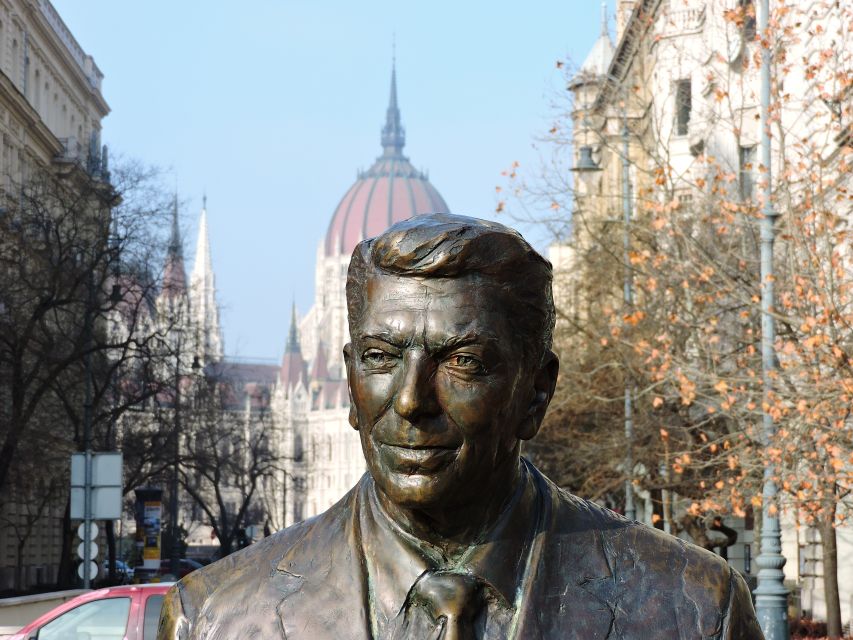
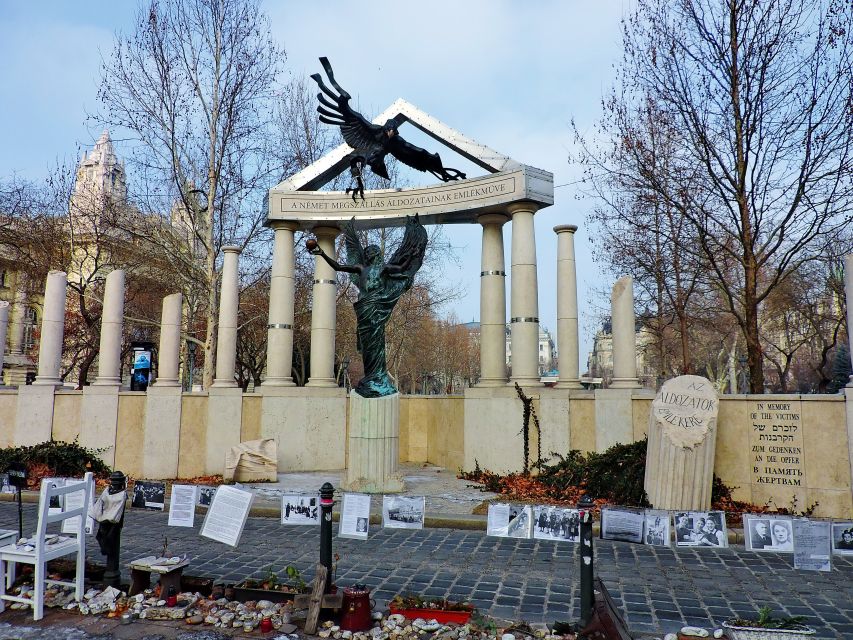
And yes, you will hear about physical remnants you can see as you walk. In the provided description, the area is mentioned as full of stories, with reminders such as bullet holes alongside other marks. The takeaway is not shock value. It is context, and why those marks stayed.
Family stories that make ideology feel personal
I think this tour’s star ingredient is the use of real family stories to explain what it meant to live under the system. Instead of treating history like something that only happened to leaders, the guide connects the ideology to lived experience.
You will hear about hardships, but also lighter moments. That balance is important. Communism was not only fear and deprivation, it also created awkward routines, odd workarounds, and moments of everyday humor. When the guide threads those stories through the visible sites, you understand how a system gets absorbed into daily life.
This approach also shows up in how the guides are described. Names like Judith, Zsuzsanna, Monica, Greg, Gergely, Virág, and Dániel are called out for explaining the background and adding personal insights. The common pattern is clear: the guides use both historical framing and human detail to keep you paying attention.
One more smart element: the tour invites questions. When you ask things, the guide can connect your curiosity to a specific moment, like politics, media, or everyday life changes after socialism. That makes the tour feel like a conversation with a teacher, not a monologue.
More of Pest crossed at walking pace:


Riding the red M2 subway, a small transport moment with big context
A walking tour is only half the experience here, because you also include a ride on the M2 subway line, commonly referred to as the red line. A subway ride sounds minor until you remember it is one of the clearest ways to link history to the city’s ongoing rhythm.
Including the ticket is a practical win too. You do not have to figure out transit timing or pay extra fares just to complete the tour. And the ride gives your brain a breather between walking segments, while still keeping the theme moving.
If you like tours that connect politics to how people actually get around, you will appreciate this stop. It is not just “see a landmark.” It is “feel how a city functions.”
The retro café drink that anchors the whole story in everyday life
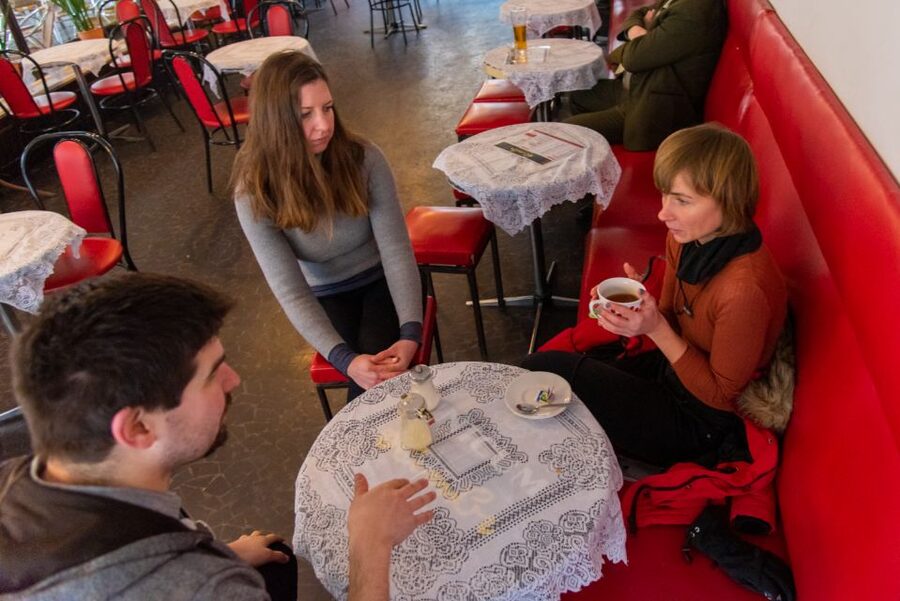
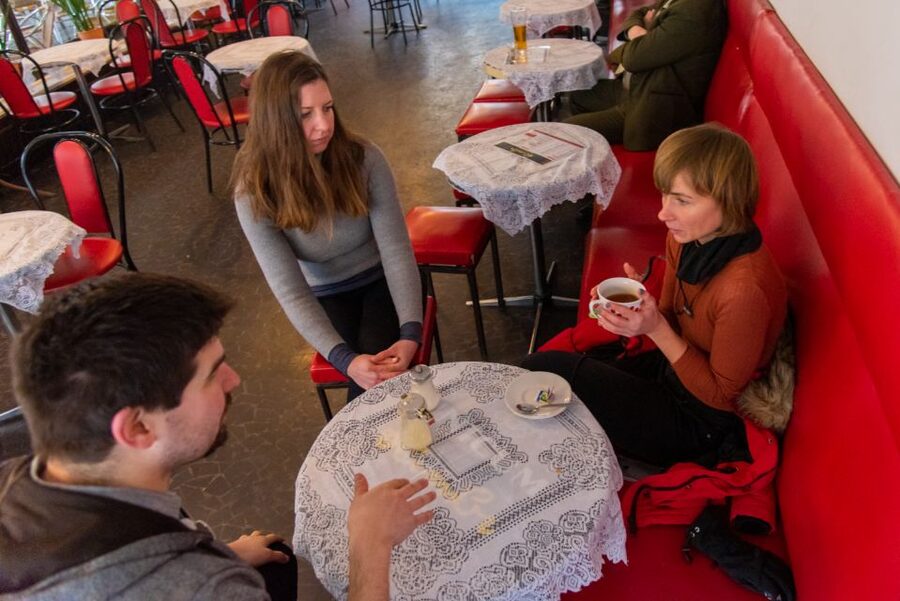
The tour ends with a drink and a chat in a cult retro café that has changed very little since it opened in 1961. This is a brilliant choice for a history-focused walk, because it shifts you from viewing the past as something removed to treating it as part of the present.
You get a calm space to process what you learned. And because the guide is still there, it becomes a natural time to ask follow-up questions you might not have thought of while walking.
The café stop is also where you see the tour’s tone: serious topic, human delivery. The reviews also highlight that this café break is a standout moment, likely because it gives you an easy, low-pressure way to continue the discussion after the walking portion ends.
Practical angle: you should enjoy this as a sit-and-sip pause. Comfortable shoes help here, since the route is built for walking first, then relaxing.
Price and value: why $57 can make sense for 3 hours
At $57 per person for a 3-hour experience, the value depends on what you want from your Budapest time.
Here is what you get that supports the price:
- A historian-led, English live guide
- A small group up to 10, which usually makes questions and discussion more realistic
- A drink included at the retro café
- A subway ticket for the M2 ride
- A focused topic that links Communist-era ideology to visible remnants and personal accounts
If your plan is just to see monuments, you could spend less with self-guided routes. But if you want the “why,” and you like connecting politics to everyday life, the guided format pays off. The small group size is part of that. With fewer people, the guide can adjust and respond instead of just powering through a script.
Also, the topic is specific. Many Budapest history tours touch the era briefly. This one is built around it, with the clear intent of helping you understand arrival, rule, and legacy.
Who should book this tour, and who might want a different option
This tour is a good match if you:
- enjoy history with context, not just dates
- like political history explained in plain language
- want to see how ideology affected real daily life
- appreciate stories that come from family memory, not only archives
- like a mix of walking, a transit element, and a relaxed café conversation
It may be less ideal if you:
- need a strict, chronological outline of every political shift
- want a tour that stays purely factual and avoids personal anecdotes
- prefer a lighter theme when touring, because this subject matter is inevitably heavy
There is no wrong choice here, but your preferences matter. If you are curious and open to discussion, this format tends to work extremely well.
Should you book the Budapest Communism walking tour?
I think you should book it if you want to understand Communist-era Hungary in a way that feels specific to Budapest, not generic. The combination of historian framing, family stories, the visible remnants you pass on foot, and the included M2 ride plus retro café stop makes it more than a talking-head tour.
If you are visiting for a short time and you want one guided slice of modern history that connects to how the city looks and moves today, this is a strong candidate. Bring comfortable shoes, a few questions, and an open mind. This is the kind of tour that makes a topic feel closer to your own life, because it keeps returning to what people endured and how they adapted.
FAQ
How long is the Budapest Communism walking tour?
It lasts 3 hours.
Where do I meet the guide?
The meeting point is in front of Kempinski Hotel Corvinus Budapest, facing the Ferris wheel on Erzsébet square.
Is the tour in English?
Yes, the tour is offered in English.
How big is the group?
It is a small group limited to 10 participants.
What is included besides the guide?
You get a drink in a retro café, and a transportation ticket for the subway (including a ride on the M2 line).
Is the tour only walking?
Not only. It is mainly a walking tour, and it also includes a ride on the red subway (M2) plus a café stop.
Is there free cancellation?
Free cancellation is available up to 24 hours in advance for a full refund.
Newest from the Danube banks
- Pub Crawl Through The Ruin Bars in Budapest with T-shirt Included★ 4.5 · 14 reviews
- Rudas Bistro Premium Brunch★ 3.5 · 14 reviews
- Wine Tasting in the Countryside from Budapest★ 5.0 · 14 reviews
- Buda Castle District and Matthias Church Private Tour★ 5.0 · 14 reviews
- Pest side stories with a Historian★ 5.0 · 14 reviews
- Recirquel Company: Walk My World Immersive Show Entry Ticket★ 4.6 · 14 reviews
- Ram Gorge Hiking Adventure★ 5.0 · 14 reviews
- Budapest Rafting – Sunset Cruise★ 5.0 · 14 reviews
Communist-Era Tours, compared.
Budapest: Communist History Tour with House of Terror Option
Read our review →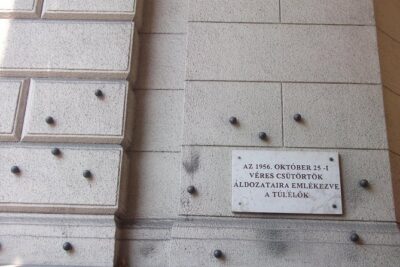
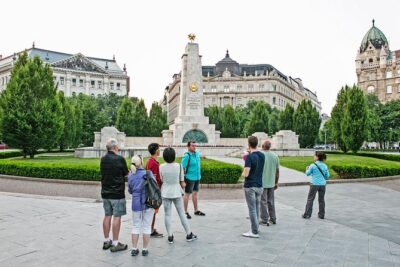
Budapest Hammer & Sickle Communist Times Tour
Read our review →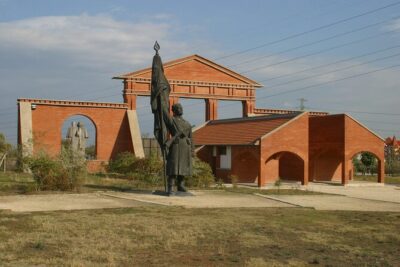
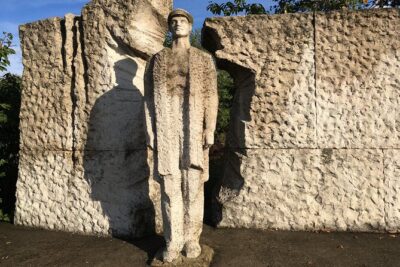
Memento Park Visit with Private Trabant Transfer
Read our review →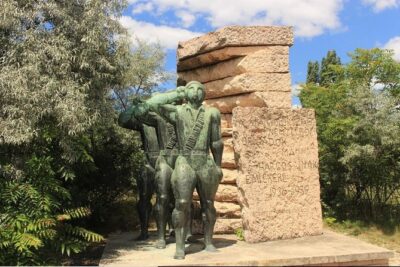
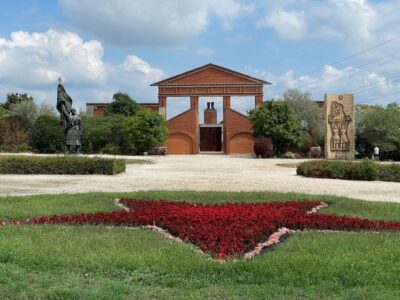
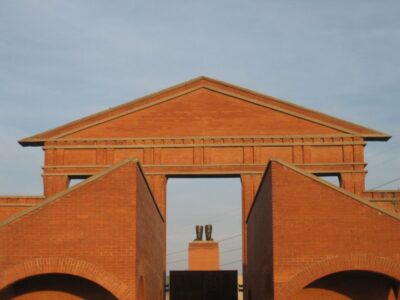
Budapest: Memento Park and Icons of Communism Guided Tour
Read our review →Browse the lists this tour appears in