
Reviewed · COMMUNIST-ERA TOURS
Budapest: Communist History Tour with House of Terror Option
Communism in Budapest hits hard, in a good way. I like how this 2-hour guided walk threads key sites like Hungarian Parliament and Liberty Square into one clear story, and I love the choice to follow it with either the playful Budapest Retro Center or the darker House of Terror. One drawback to plan for: the House of Terror option can be emotionally intense, and the walking pace may feel fast if you move slowly.
The core experience is a Central Budapest walk built around the Soviet-backed Communist years in Hungary, including details you just do not get from a quick guidebook stop. You start near the Hungarian Parliament, then move toward Liberty Square and other landmarks tied to Soviet rule and Hungarian resistance.
After the walking portion, your day splits into different moods. The morning-style option pairs the walk with a guided visit to Budapest Retro Center (more lighthearted, very hands-on), while the afternoon-style option adds the House of Terror Museum in either a self-guided ticket add-on or a guided museum tour.
In This Review
- Key things I’d bet on before you book
- Walking the Communist trail from Parliament to Liberty Square
- The stops that make it feel real, not just political theory
- Budapest Retro Experience Center: the lighter side of the Soviet years
- House of Terror Museum: AVO, interrogation rooms, and 1940s-50s repression
- Price and logistics: what your $58 is really buying
- Which option fits your travel style
- Should you book this Budapest Communist history tour
- FAQ
- How long is the Budapest Communist History Tour?
- What does the tour include?
- Can I choose between Budapest Retro Center and House of Terror?
- Is the tour in English?
- Will I need to pick up tickets at the museum?
- How big is the group?
Key things I’d bet on before you book
- A small group size (up to 10) and live English guidance, which makes questions feel easy.
- Two museum paths: the fun, interactive Budapest Retro Experience Center or the serious House of Terror.
- A Cold War route that includes real places, like the Soviet Liberation Memorial and ventilation channels linked to a Cold War bunker.
- A true 1956 lens, with stops connected to the Hungarian anti-Soviet revolution and its aftermath.
- Skip-the-line entry, plus you get your ticket from the guide (not from the ticket office).
- Guides with strong local storytelling, including names that show up often in reviews such as Alexa, Alexandra, Beata, Flora, Naomi, Noémi, and Kati.
More of the decades behind the Iron Curtain:
- Communism in Hungary with a Historian
★ 5.0 · 70 reviews - Budapest: 3-Hour Walking Tour About Communism (Small Group)
★ 4.7 · 70 reviews - Budapest Hammer & Sickle Communist Times Tour
★ 4.5 · 68 reviews
Walking the Communist trail from Parliament to Liberty Square
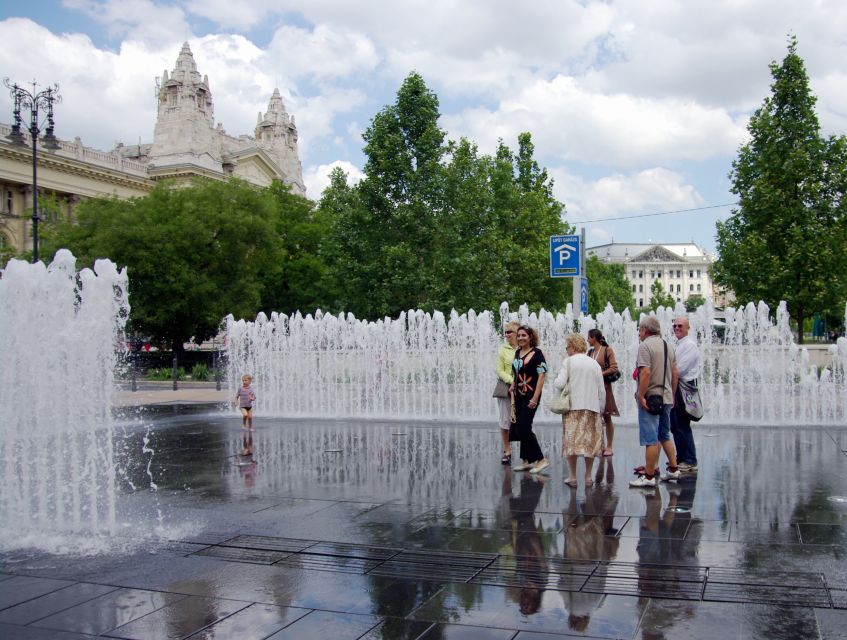
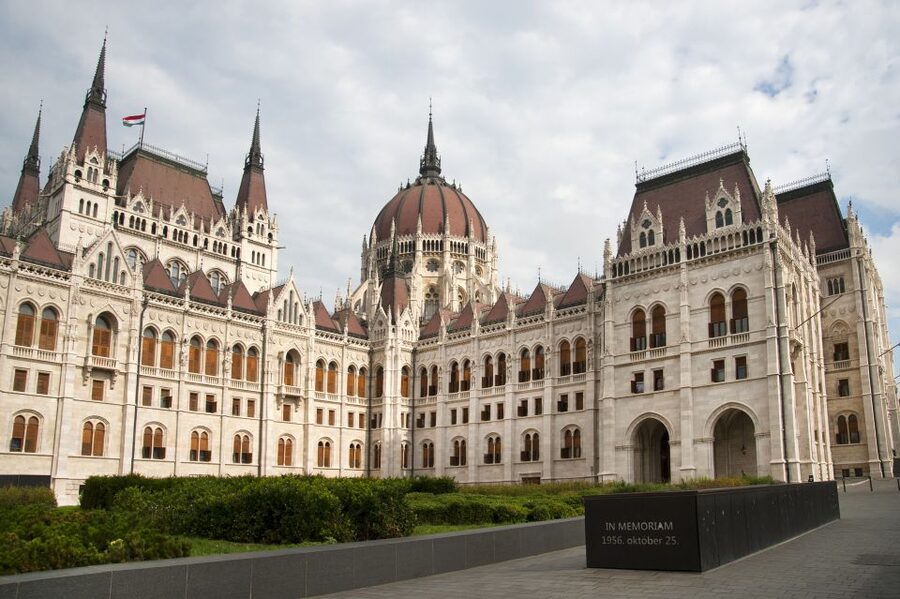
This tour starts with a Communist-themed walk across central Budapest, with the route designed so you get context fast. The first stop is the Hungarian Parliament area, and that matters, because the walk begins in the realm of national symbolism before it turns toward Soviet-era power.
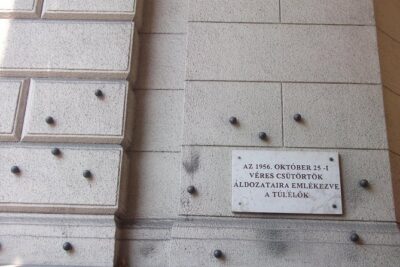
From there, you move through landmarks that connect directly to the political story Hungary was forced to live through. You see a monument commemorating victims of the red dictatorship, then head onward to Liberty Square, where you encounter the Soviet Liberation Memorial, described as the last Communist monument in the city that remains in its original place.
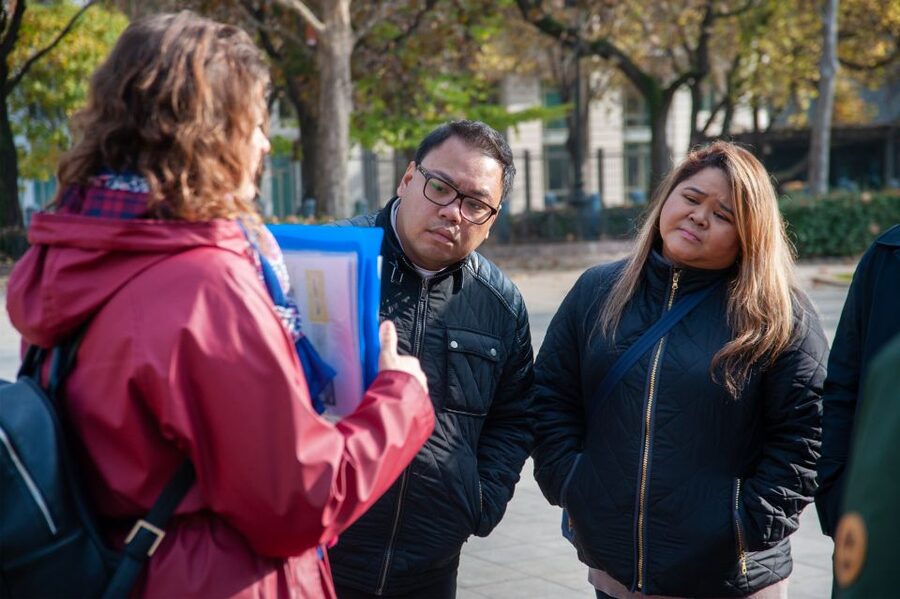
I like the way the guide keeps the story chronological without turning it into a lecture. Instead, you get dates and themes tied to what you can actually see outside: propaganda, repression, and how public space can be used to control memory.
The walk also includes a stop tied to Cardinal Mindszenty, a major anti-Communist Catholic Church leader, connected to his years in exile. The tour points you to the windows associated with that exile, which turns a historical figure into a physical detail you can look at and remember.
The stops that make it feel real, not just political theory
A big part of the tour’s power is how it spotlights “in-between” Cold War details. It is not only about big monuments. It also gets specific about hidden systems and the everyday footprint of fear.
One example is the mention of ventilation channels from a secret underground nuclear bunker, built during the Cold War. You might not think of Budapest as a city of nuclear-era infrastructure, but these physical remnants do the job of making the period feel immediate.
Another key stop is the 1956 revolution. You will hear about and see sites tied to the Hungarian anti-Soviet uprising, a turning point that shaped what followed. I like how this is handled as more than a single event. It is framed as a moment that changed the tone of Soviet control, and then the consequences ripple into later life.
This matters for today’s Hungary, because the tour explicitly aims to connect past repression to the unspoken knowledge that older Hungarians carry. Even if you do not understand every detail on the first pass, the guide’s framing helps you see why history still shows up in people’s private stories and public attitudes.
One practical note: a few guides are described as especially mindful with group pace. In at least one case, a guide worked around guests using walking aids and adjusted talk so everyone could keep up. If you rely on mobility support, it is smart to tell the guide early, so they can manage the pace.
Budapest Retro Experience Center: the lighter side of the Soviet years
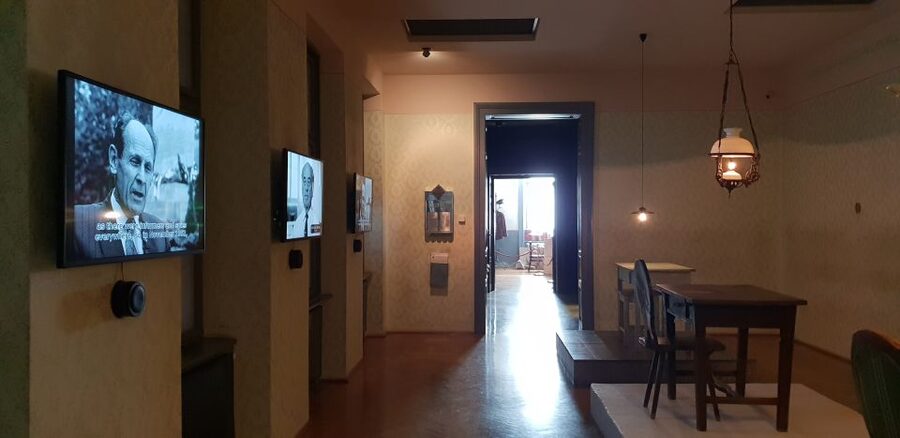
If you choose the walking-tour pairing that goes to the Budapest Retro Experience Center, you get a sharp contrast. The morning-style option includes about an hour of guided time at the Retro Center after the main walk.
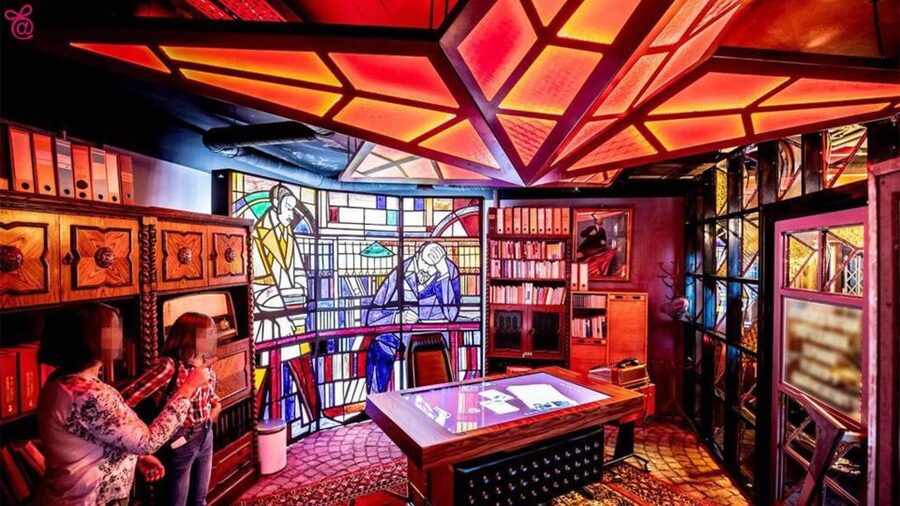
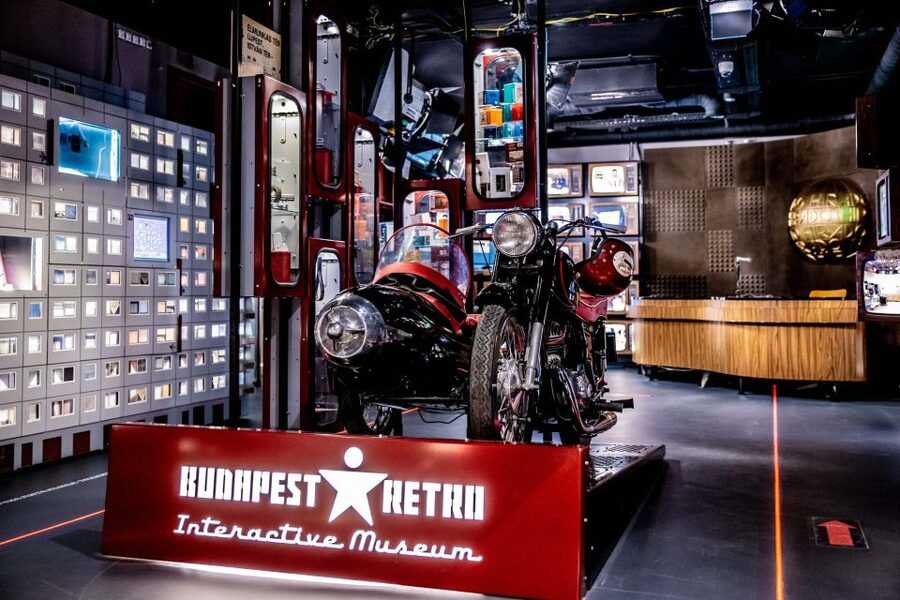
This is the part where the tour becomes playful without forgetting context. The exhibit is built around street views, typical vehicles, and real interior home designs from the 1960-1980 period. You also get themed content tied to Soviet-Hungarian space flight astronauts and thousands of period objects.
What I like here is that Retro is not just “old stuff.” It is presented in a way that helps you understand how state narratives and consumer life blended. Propaganda was not only posters and speeches. It showed up in what people watched, rode in, built, and talked about at home.
The layout also helps. The exhibition spans three floors, and it is described as fun and interactive. That interactivity is not just for kids. Adults tend to process history better when they can move through it like a set, not just read panels.
There is even roleplay built into the experience. The tour mentions the option to dress as a Communist comrade, or try being a TV news presenter from that era. I do not see this as a gimmick. It is a way to get you thinking how the period performed itself, especially through media and public identity.
If you want a more balanced Budapest day, this pairing makes sense. You get the heavy historical frame first, then you spend time on how ordinary life looked and felt under the same umbrella of control.
House of Terror Museum: AVO, interrogation rooms, and 1940s-50s repression
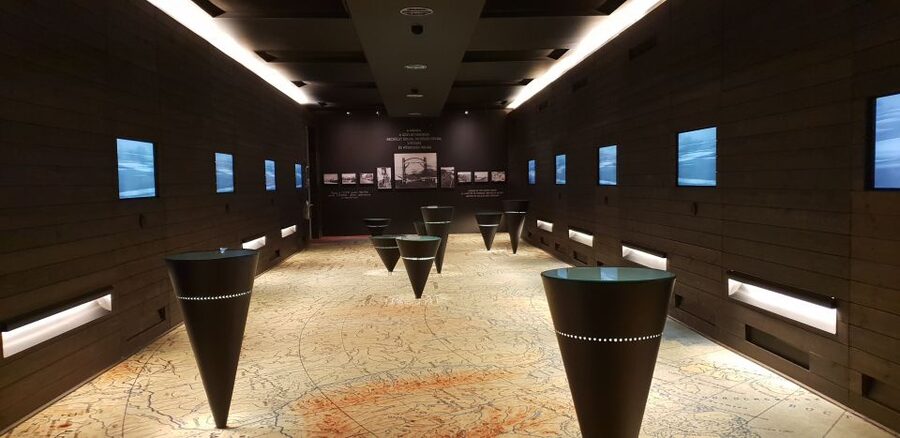
The House of Terror option is the intense route. If you add the museum in the afternoon, you either visit on your own with the included ticket or you go on a guided museum tour, depending on what you book.
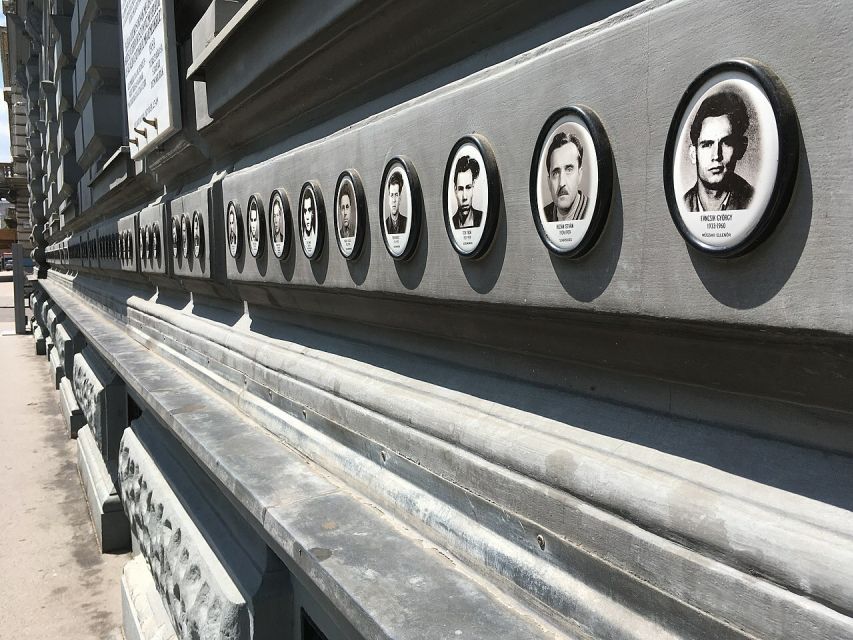
Either way, the tour sets expectations. The House of Terror Museum is tied to the former seat of the AVO State Protection Police, the Hungarian version of the Soviet KGB. That connection matters because it explains why the building is not treated like generic history. It is treated like an evidence room.
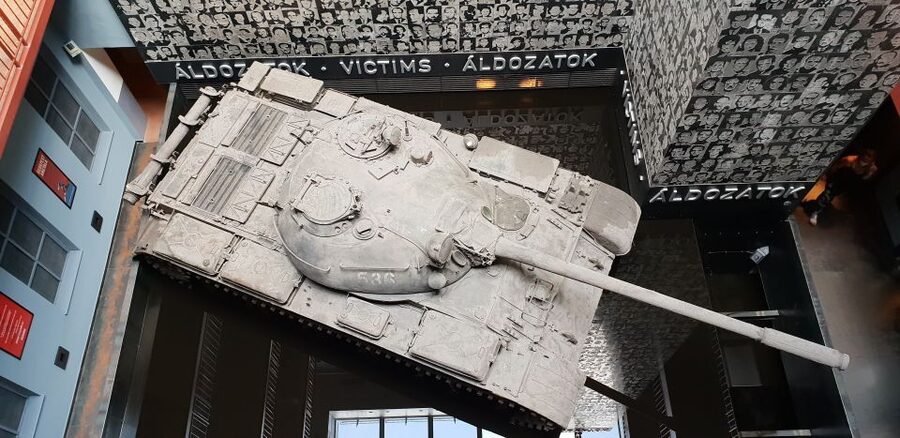
If you choose the guided House of Terror tour, you will follow your guide through a timeline starting with World War II, then Nazi rule, then Soviet Communist occupation. The tour covers life and economy in the 1950s, then moves into interrogation and torture cells, including the office room of the director.
You will also hear stories and see memories connected to mass deportations, labor camps, and political trials. Then the story expands back into 1956, including the revolution and its consequences, and finally leads toward the end of Communism in 1989.
I appreciate that the guide does not just list atrocities. The phrasing in the tour description signals a guided narrative, meaning you should leave with a clearer sense of how these systems worked together.
A practical consideration is emotional stamina. This is not a “light history” museum. If you are sensitive to dark content, plan for a slower pace and bring your questions. One review also notes that House of Terror being closed for renovations required the guide to adapt, which is a reminder that the experience can change on the ground.
If you choose self-guided museum time instead of the full guided tour, you will still benefit from having the walk’s context. Without that walk, House of Terror can feel like a wall of information. With it, you tend to make connections more easily.
Other centuries stacked along the Danube:





Price and logistics: what your $58 is really buying
At about $58 per person for roughly 2 hours, the value hinges on two things: you get a live guide plus a museum ticket included, and the tour is designed as a small-group experience.
A big win is that you do not start with a museum ticket and hope you “figure it out.” You start with a guided walk that sets the story and places the museum content into context. Then the included admission connects directly to that story: either Budapest Retro Experience Center or House of Terror Museum.
Also, the tour includes skip-the-line entry, and you receive your ticket from your tour guide rather than dealing with the ticket office. That saves time and reduces the small stress that can ruin a tight schedule.
Finally, the small-group cap (up to 10 participants) is not just a comfort perk. It affects the feel of the tour. With fewer people, the guide can handle questions in a way that actually helps you understand what you are seeing, especially in a topic like this where details matter.
If you are trying to choose between the two museum paths, think about what you want from your Budapest day. Retro Center is a guided look at everyday Soviet-era life, designed to be interactive and lighter in tone. House of Terror is guided history built around repression, interrogation, and mass punishment. Both are “history,” but they pull your brain in different directions.
Which option fits your travel style
If you want a more balanced day, choose the walk plus Budapest Retro Experience Center. It is a strong follow-up because it shows the emotional contrast of the same era. You get to see how people lived, what objects and interiors looked like, and how state narratives filtered into culture.
If you want the most direct understanding of the Communist terror system, pick the House of Terror option. Going guided is especially worth it if you want the story organized for you, including the path from WWII to Nazi rule to Soviet occupation, and then all the way through the 1956 revolution and the end of Communism.
If you travel with teens or someone who likes school-style structure, the House of Terror guided tour can work well because it covers an organized sequence. If you travel with someone who prefers learning by doing and joking around a bit, the Retro Center roleplay and interactive exhibits add a more human, less severe angle.
If your group includes mobility needs, ask for guidance on pace. The tour description indicates the format can accommodate different walking abilities when the guide is attentive, but you should still plan your shoes and your comfort level.
Should you book this Budapest Communist history tour
Book it if you want more than a surface-level Budapest history stop. This tour gives you a guided route across real central landmarks, then connects you to a museum experience that matches the mood you choose: Retro Center for the daily-life side, or House of Terror for the machinery of oppression.
Skip it or choose the Retro option only if you know you have low tolerance for brutal historical content. House of Terror is designed to be haunting, and that is the point. Also consider choosing a guided museum format if you want the narrative stitched together, not just accessed.
My final advice: pick based on the feeling you want at the end of your day. If you want closure through understanding systems, go House of Terror. If you want memory plus meaning through everyday artifacts, go Retro. Either way, you get the crucial context first, which is what makes this tour worth your time.
FAQ
How long is the Budapest Communist History Tour?
It runs for 2 hours.
What does the tour include?
You get a professional live English guide, the Communist-themed walking portion (if you book that option), and an entry ticket to Budapest Retro Experience Center or the House of Terror Museum depending on which option you select.
Can I choose between Budapest Retro Center and House of Terror?
Yes. The walking tour can be paired with a visit to Budapest Retro Center, or it can be paired with a House of Terror Museum ticket. There is also an option for a guided House of Terror Museum tour.
Is the tour in English?
Yes, the live tour guide provides the tour in English.
Will I need to pick up tickets at the museum?
No. You should not look for your ticket at the ticket office. You receive the ticket from your tour guide.
How big is the group?
The group is small, limited to 10 participants.
Newest from the Danube banks
- Pub Crawl Through The Ruin Bars in Budapest with T-shirt Included★ 4.5 · 14 reviews
- Rudas Bistro Premium Brunch★ 3.5 · 14 reviews
- Wine Tasting in the Countryside from Budapest★ 5.0 · 14 reviews
- Buda Castle District and Matthias Church Private Tour★ 5.0 · 14 reviews
- Pest side stories with a Historian★ 5.0 · 14 reviews
- Recirquel Company: Walk My World Immersive Show Entry Ticket★ 4.6 · 14 reviews
- Ram Gorge Hiking Adventure★ 5.0 · 14 reviews
- Budapest Rafting – Sunset Cruise★ 5.0 · 14 reviews
Communist-Era Tours, compared.

Budapest: 3-Hour Walking Tour About Communism (Small Group)
Read our review →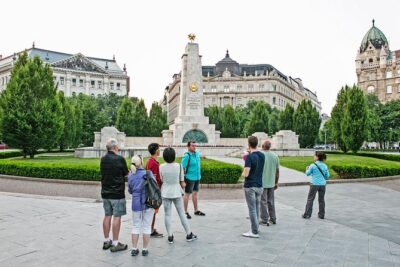
Budapest Hammer & Sickle Communist Times Tour
Read our review →
Memento Park Visit with Private Trabant Transfer
Read our review →
Budapest: Memento Park and Icons of Communism Guided Tour
Read our review →Browse the lists this tour appears in