
Reviewed · COMMUNIST-ERA TOURS
Communism in Hungary with a Historian
Budapest has a communist layer you can walk. This 3-hour, English-language tour links Elizabeth Square (once Stalin Square) to the story of everyday life under communism, using metro tickets to move you efficiently.
I especially love the small group size, capped at 10 travelers, which keeps the pace calm and questions welcome. I also love how the guiding style leans on family stories, not just dates and slogans, so the places feel human.
One thing to consider: several highlights are viewed from the outside, and St. Stephen’s Basilica has no included admission, so this is best if you like context and street-level sights more than interior access.
In This Review
- Key things I found most useful
- Starting at Elizabeth Square, the city’s political front door
- Metro tickets included, and why that matters in Budapest
- St. Stephen’s Basilica outside: faith under communism
- Szabadság tér: memorials, embassies, and a bunker peek
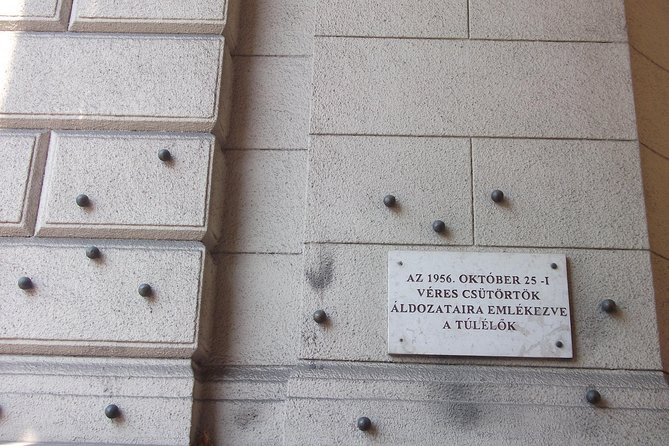
- The Hungarian Parliament and Bloody Thursday of 1956
- The communist-style café ending with coffee
- Guides who actually connect the past to real people
- Price and value: why $59.13 can make sense
- Who should book this tour (and who might want something else)
- Practical tips for a smooth afternoon
- Should you book Communism in Hungary with a Historian?
- FAQ
- How long is the tour?
- What does it cost?
- What language is the tour offered in?
- How many people are in a group?
- Where do I meet, and what time does it start?
- Where does the tour usually end?
- Is metro transportation included?
- Is coffee included at the end?
- Are any attractions included with paid admission?
- Can I cancel and get a full refund?
Key things I found most useful
- Elizabeth Square as your anchor point, where monuments and names lead into the communist era
- Metro ride with tickets included, so you are not doing guesswork about transit
- Outside looks at major sites, including St. Stephen’s Basilica and the Hungarian Parliament area
- Szabadság tér details you can actually see, like remnants of the era and part of a bunker from the outside
- A real café ending with coffee included, where the conversation often continues
More of the decades behind the Iron Curtain:
- Budapest: Communist History Tour with House of Terror Option
★ 4.8 · 182 reviews - Budapest: 3-Hour Walking Tour About Communism (Small Group)
★ 4.7 · 70 reviews - Budapest Hammer & Sickle Communist Times Tour
★ 4.5 · 68 reviews
Starting at Elizabeth Square, the city’s political front door
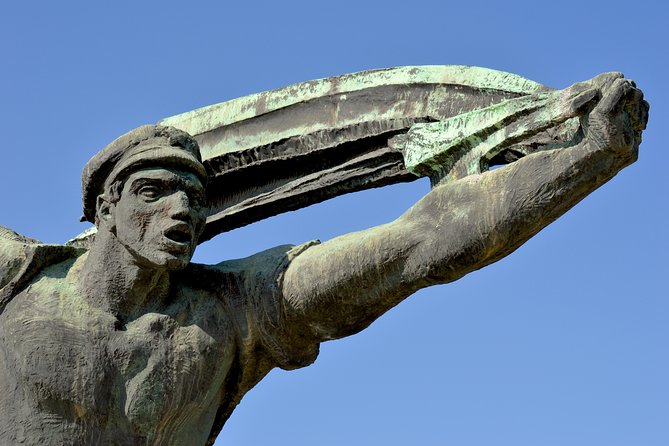
You meet at Kempinski Hotel Corvinus, right on Erzsébet tér, and your first stop is Elizabeth Square. In the communist era, it carried the heavy weight of being treated like a stage for power. The guide points out monuments and tells the story behind why public space mattered so much, then connects the visuals to how the system worked day to day.
This is a smart opener because you are not starting with a textbook. You start with what you can see from street level, statues, building edges, and the way the square frames movement. From there, it is easier to understand later stops like why certain places became symbols, and why people learned to read the city like a code.
If you like history that feels practical, this approach is your friend. You get oriented fast, and the rest of the walk builds on what you just learned.
Metro tickets included, and why that matters in Budapest
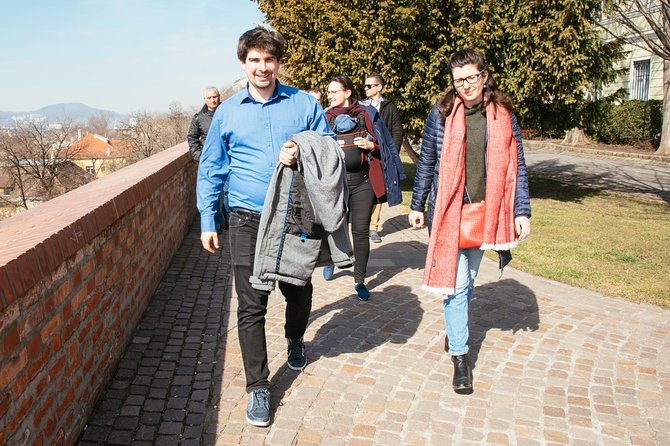
Budapest is split by the Danube, and switching sides can be slow if you are guessing bus lines or relying on random timing. This tour uses the metro with tickets included, which is a quiet quality-of-life upgrade.
You spend less time figuring out logistics and more time listening. Also, the metro element helps the guide keep a steady rhythm between Buda and Pest. That matters on a walking tour, because one extra detour can turn a relaxed afternoon into a sprint.
Even better, the tour ends flexibly depending on weather. On colder or wet days, the stop sequence and final drop-off usually land you on the Pest side near the center, rather than trekking on in bad conditions. On nicer days, you finish on the Buda side closer to Margaret Bridge.
St. Stephen’s Basilica outside: faith under communism
St. Stephen’s Basilica is the kind of place you spot from far away, so it is a natural contrast point. Here you view the church from the outside and hear how religious life changed during communism, including the way the state tried to manage belief.
You also get family-linked stories connected to the topic. That is a major theme of this tour, and it is why the church stop does not feel like a quick photo break. The guide uses the architecture and the street setting to talk about what churches meant when public life was controlled.
Budget note: St. Stephen’s Basilica admission is not included, so if you want to go inside, you would need to plan that on your own. If you are happy with the exterior view paired with context, you will get what you came for here.
Szabadság tér: memorials, embassies, and a bunker peek
Szabadság tér is where the tour starts showing you the “afterlife” of ideology. You are shown remnants of communism through memorials and statues, plus how embassies and surrounding institutions sit in the same space as old political messaging.
One of the more memorable moments is a mention of part of a bunker visible from the outside. You are not touring it like a museum room, but seeing that kind of survival infrastructure hinted at in the city helps your brain connect the slogans to real fear and real planning. When people talk about the communist era, they often stay at the level of speeches. Here you see the physical leftovers of what governments built.
This stop lasts about 45 minutes, which is long enough for the guide to connect dots rather than tossing you a list and moving on. If you like details, this is the part where the tour feels most like a guided conversation.
Other ways an evening in Budapest can go:




The Hungarian Parliament and Bloody Thursday of 1956
The tour then heads to the Hungarian Parliament Building area, focusing on one of the most important moments of the 1956 revolution: Bloody Thursday. The guide ties the story to Kossuth Square and explains what happened and why it mattered, using the setting to make the event feel anchored in real streets instead of distant pages.
Parliament is a strong symbol on its own. Under communism and in the revolution that followed, it also becomes a way to talk about power, public pressure, and how quickly political tension can turn into violence. Even if you have read about 1956 before, the street framing helps many people remember it better.
As with the basilica, admission is not included for the Parliament stop, so think of it as a story stop, not an inside-visit stop.
The communist-style café ending with coffee
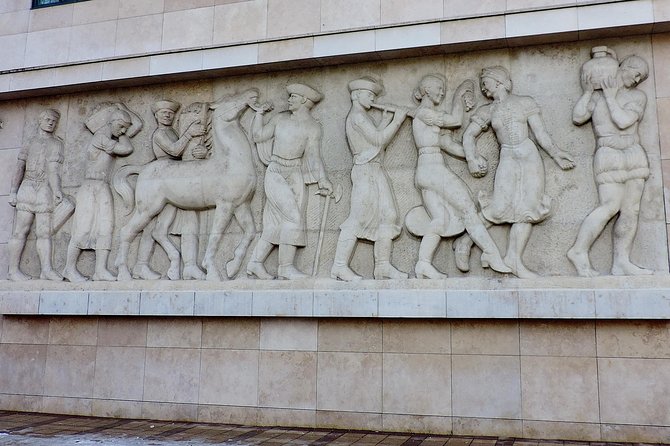
Every good history tour needs a place to land. This one ends at Bambi Café on the Buda side close to the center and Margaret Bridge, though on colder or wet days the ending can shift toward the Pest side.
The café part is not just a “sit and rest” moment. It is built to reflect what the tour talks about. You get a communist-style café experience with coffee included, and the guide often helps tie the morning and afternoon themes into how people lived, worked, and endured.
I liked that the café gives you a chance to ask follow-up questions when your brain has stopped sprinting. In fact, one of the reasons this tour gets such strong feedback is that guides keep answering until you feel you understand the system, not just the monuments.
A fun real-world detail: the bar at Bambi opened in 1961 and has not changed too much since then. That is the kind of continuity that makes a coffee stop feel like part of the story, not just a tourist perk.
Guides who actually connect the past to real people
This tour stands or falls on the guide. Here, the guide quality is the headline. The best praise in the feedback centers on storytelling that feels personal, plus the ability to handle questions with warmth and patience.
I keep seeing names like Judit, Raymond, Gabriel, Gábor, Greg, András, and Virág tied to the same core strengths: clear explanations, family-linked anecdotes, and an effort to be balanced. Some people especially liked that the guidance did not turn into a single-note lecture. You get a sense of causes and consequences, not just winners and losers.
Weather also shows up in the reviews. On cold, rainy days, guides still kept the tone upbeat and the pacing controlled. For you, that means you are less likely to feel like you missed your chance because you got stuck with bad conditions.
And if you are the type who asks a lot of questions, you should feel at ease. The tour format supports that. Small group plus a guide willing to talk at length is a big part of the high rating.
Price and value: why $59.13 can make sense
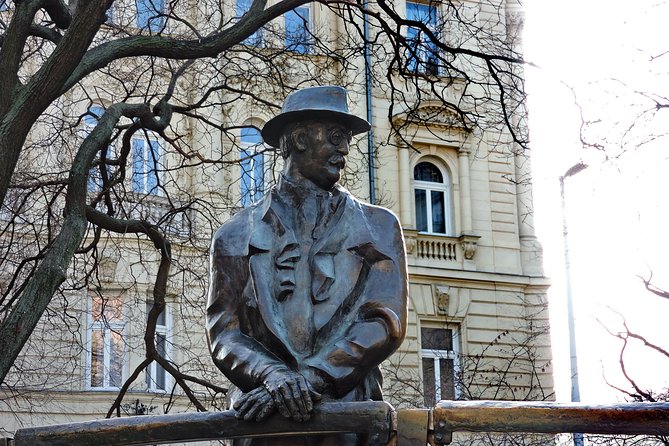
The tour runs about 3 hours and costs $59.13 per person. That may sound like a lot for a walking tour until you price out what is bundled.
You get:
- A small group experience, max 10 travelers
- A guided history walk focused on communist-era Budapest
- Metro tickets included
- A café stop with coffee included
- Multiple stops where some entry is free and some are not, letting the guide pick the best context without locking you into paid attractions
Also, the cost works better than many alternatives if you want interpretation. Budapest can be beautiful, but if you only see buildings, you miss the machinery behind the scenes. This tour is built to teach you how to read the city.
When almost everyone recommends it and the rating sits around 4.9, that usually means people felt the time was well used, not padded.
Who should book this tour (and who might want something else)
This is a great match if you:
- Like history that explains how everyday life gets shaped by political systems
- Want a focused look at communism in Hungary, including how fear, control, and survival played out
- Prefer a guided walk that connects sites to stories, including family anecdotes
- Enjoy Q and A, not just a scripted route
You might not love it as much if you:
- Want a tour centered on interior visits at lots of museums
- Expect synagogues or other religious sites to be part of the route, because this specific focus stays on communist-era themes rather than branching off
Practical tips for a smooth afternoon
- Dress for standing and walking outdoors. Several key stops are about seeing exteriors, even when the stories get intense.
- Bring an umbrella if rain is possible. It is a long way to be miserable for 3 hours.
- Wear shoes you can trust on Budapest sidewalks. This is a walk-based tour, not a sit-on-a-bus ride.
- Plan your expectations: you will get context, symbolism, and a sense of what people endured. You will not get a museum lineup of ticketed interiors.
Should you book Communism in Hungary with a Historian?
If you care about the 20th century and you want Budapest to make sense beyond postcards, I think you should. This tour is short enough to fit cleanly into your schedule, but focused enough to feel like you understood something real. The combination of small group size, guide storytelling, and metro plus café value makes it an easy choice for curious travelers.
If you mainly want inside museum tickets and lots of indoor time, look elsewhere. But if you want to walk through Budapest and have the city explain itself, this is one of the better ways to do it.
FAQ
How long is the tour?
It runs for about 3 hours.
What does it cost?
The price is $59.13 per person.
What language is the tour offered in?
The tour is offered in English.
How many people are in a group?
The tour has a maximum of 10 travelers.
Where do I meet, and what time does it start?
You start at Kempinski Hotel Corvinus Budapest, at Erzsébet tér 7-8, 1051 Hungary. The start time is 2:00 pm.
Where does the tour usually end?
The tour usually ends at Bambi Café on the Buda side close to the center and Margaret Bridge. On colder or wet days, it often ends on the Pest side in the center close to where you begin.
Is metro transportation included?
Yes. You travel by metro, and metro tickets are included.
Is coffee included at the end?
Yes. The tour includes a communist-style café experience with coffee included.
Are any attractions included with paid admission?
St. Stephen’s Basilica admission is not included. Elizabeth Square and Szabadság ter are ticket free. Admission for the Hungarian Parliament Building is not included.
Can I cancel and get a full refund?
Yes. You can cancel for free up to 24 hours in advance of the experience’s start time for a full refund.
Newest from the Danube banks
- Pub Crawl Through The Ruin Bars in Budapest with T-shirt Included★ 4.5 · 14 reviews
- Rudas Bistro Premium Brunch★ 3.5 · 14 reviews
- Wine Tasting in the Countryside from Budapest★ 5.0 · 14 reviews
- Buda Castle District and Matthias Church Private Tour★ 5.0 · 14 reviews
- Pest side stories with a Historian★ 5.0 · 14 reviews
- Recirquel Company: Walk My World Immersive Show Entry Ticket★ 4.6 · 14 reviews
- Ram Gorge Hiking Adventure★ 5.0 · 14 reviews
- Budapest Rafting – Sunset Cruise★ 5.0 · 14 reviews
Communist-Era Tours, compared.
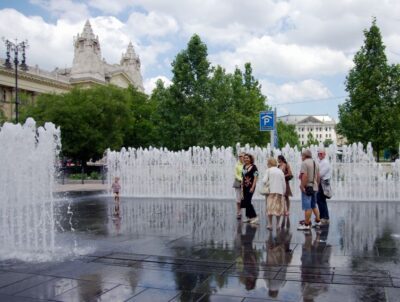
Budapest: Communist History Tour with House of Terror Option
Read our review →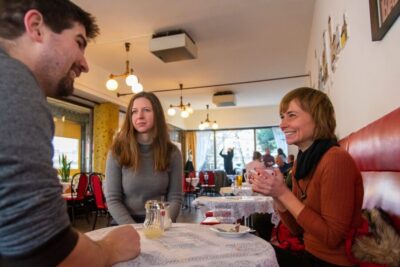
Budapest: 3-Hour Walking Tour About Communism (Small Group)
Read our review →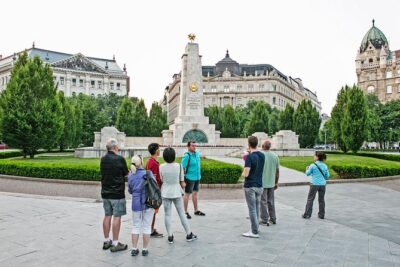
Budapest Hammer & Sickle Communist Times Tour
Read our review →
Memento Park Visit with Private Trabant Transfer
Read our review →
Budapest: Memento Park and Icons of Communism Guided Tour
Read our review →Browse the lists this tour appears in