
Reviewed · COMMUNIST-ERA TOURS
Budapest: Hammer & Sickle Communism Walking Tour
A hammer and sickle still has bite in Budapest. This Budapest communist walking tour turns big political ideas into real street-level moments, from everyday work life under the Iron Curtain to the 1956 Revolution sites you can actually stand near. It’s a focused 2.5-hour walk that uses key squares to explain how Hungary got shaped, then reshaped.
I especially like two things: the way the tour connects communist politics to daily routines, like how people navigated passports, school life, and work culture. I also love the route through central landmarks, including Liberty Square and the Parliament area, so the story lands in places you’ll recognize even if you just arrived.
One drawback to plan for: you’re on your feet. The tour includes 2 hours of continuous walking, it runs in all weather, and it is not recommended for kids under 14 or for people with mobility impairments.
In This Review
- Quick hits before you go
- Why this Hammer and Sickle tour makes sense in Budapest
- Starting at Deak Ferenc Square and getting oriented fast
- Pest street walking: how daily life worked under communism
- The 1956 Revolution exhibition stop you can connect to the streets
- Liberty Square and the Soviet Memorial: where politics becomes a physical sight
- Walking toward the Parliament area: reading modern Budapest with older eyes
- The guide experience: clarity, energy, and named examples
- Price and value: is $72 worth it?
- Who this walk fits best, and who should skip it
- Practical tips for comfortable, all-weather walking
- So should you book the Budapest communist walking tour?
- FAQ
- Where is the meeting point for the Hammer and Sickle Communism Walking Tour?
- How long is the tour?
- How much walking should I expect?
- What language is the tour offered in?
- What is included in the ticket price?
- Is food included?
- Is pickup available?
- Is the tour suitable for children?
- Is the tour available in bad weather?
- Can I get a refund if my plans change?
Quick hits before you go
- Everyday life, not just slogans, with talk about passports, school life, and workplace habits
- A dedicated 1956 Revolution exhibition stop, focused on what people fought for and why it mattered
- Liberty Square Soviet Memorial and the last Soviet monument, easy to see, hard to forget
- Parliament area context, so the modern city makes more sense
- Refreshment included, typically coffee, tea, or a soft drink to keep you moving
- Guide quality is the swing factor, and many praised guides like George for clear, conversational storytelling
More of the decades behind the Iron Curtain:
- Budapest: Communist History Tour with House of Terror Option
★ 4.8 · 182 reviews - Budapest: 3-Hour Walking Tour About Communism (Small Group)
★ 4.7 · 70 reviews - Communism in Hungary with a Historian
★ 5.0 · 70 reviews
Why this Hammer and Sickle tour makes sense in Budapest
Budapest can feel like a greatest-hits playlist, beautiful buildings, river views, famous baths. This tour slows you down on purpose. You’re not just learning dates, you’re learning how a system can shape regular life, from what people did at work to how they got documents in their hands.
That’s why I like this format. It uses the city like a timeline. You walk, you stop, you listen, then you look again at the same place with new context. The communist era stops being a chapter in a book and starts feeling like something that affected real families, real schedules, and real fear.
Also, the tour is built around Hungary specifically, not generic Cold War talking points. The emphasis is on what it was like to live behind the Iron Curtain in Budapest, and why events like the 1956 Revolution put Hungary on Europe’s map in a painful way.
Starting at Deak Ferenc Square and getting oriented fast
You meet at 1052 Budapest, Deak Ferenc ter 4, in front of the Lutheran Church, on the church steps. That location matters because Deak Ferenc Square is a central hub, so the tour starts from a place you can anchor in your mental map.
Early on, your guide sets expectations and frames the story. You’ll be told how the communist period shaped daily negotiations, not just government decisions. Expect conversational explanations, with enough detail to make the era feel understandable rather than abstract.
If you’re the type who likes knowing where you’re headed, you’ll appreciate that this walk targets recognizable areas in Pest, the side of the city where many political and public-life scenes unfolded. It makes the whole experience feel practical, not like drifting from one plaque to another.
Pest street walking: how daily life worked under communism
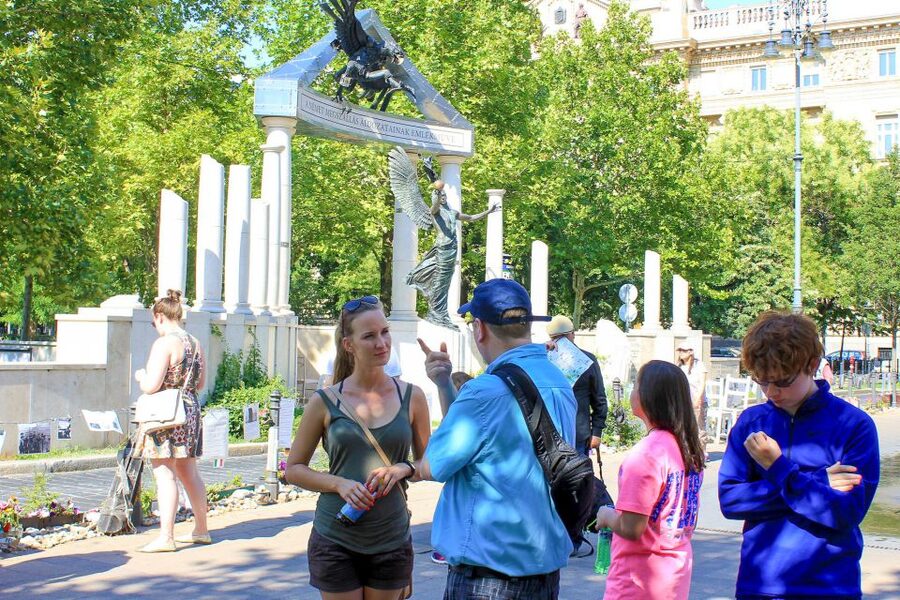
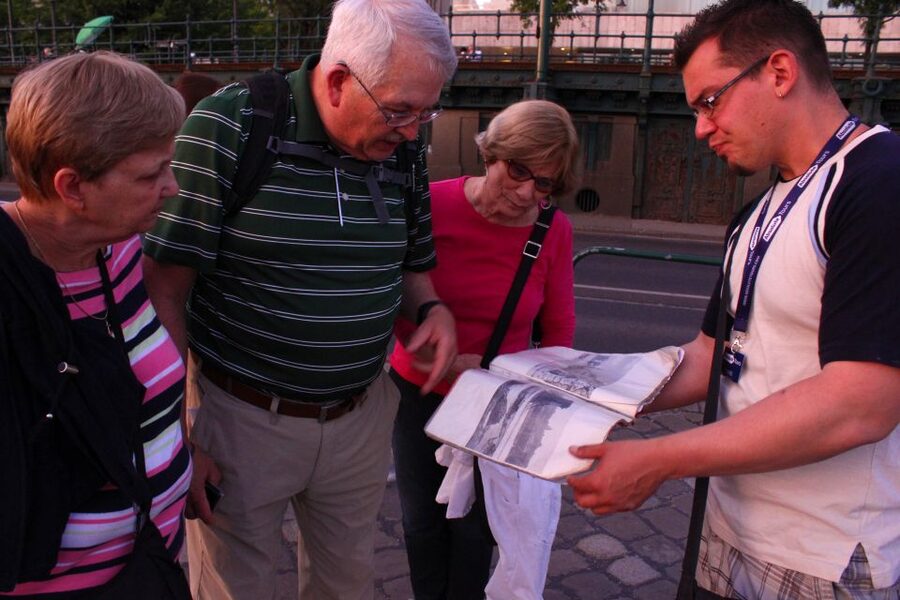
Once you’re moving, the tour’s heart is everyday reality. Instead of staying in lecture mode, the guide focuses on the practical side of communist life. You’ll hear how people worked around the rules and how daily routines changed under a system that controlled information and social life.
Key themes you can expect include:
- Passport processes and what it meant to get permission to move
- School life, and how education fit the regime’s goals
- Workplace culture, including stories about people drinking spirits at work
- The everyday presence of cars like the Trabant, which becomes a symbol of an era, not just a model name
You’ll also notice the pace. It’s a walking tour, and it’s designed for steady flow rather than lots of long indoor stops. The upside is momentum, you see parts of central Pest without waiting around. The downside is fatigue if you show up in uncomfortable shoes or misjudge the weather.
The 1956 Revolution exhibition stop you can connect to the streets
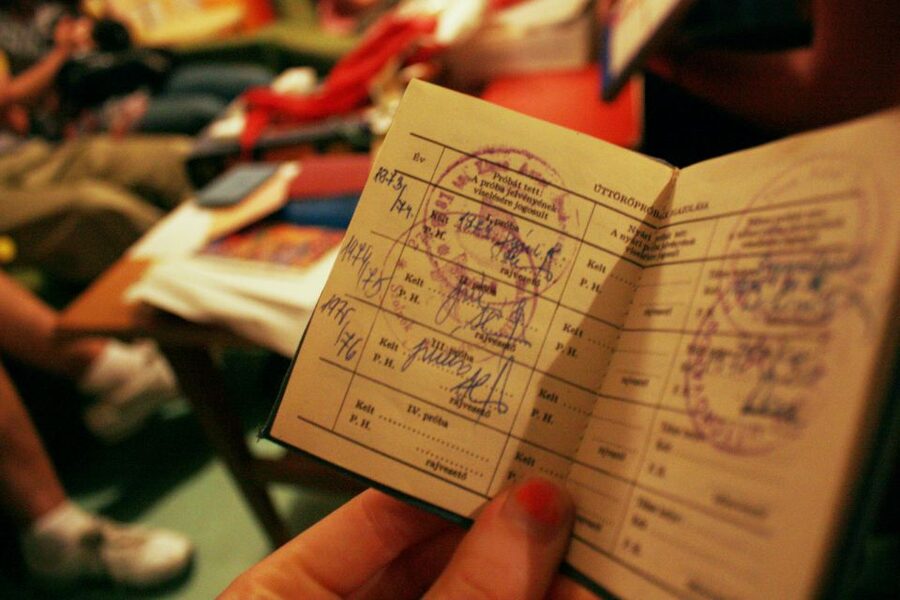
One highlight is a visit to an exhibition about the 1956 Revolution. This is where the tour adds texture. You go from broad explanations into a small, focused commemorative space that helps you understand the emotions and stakes of the revolt, not only the outcomes.
The tour also references the Revolution through smaller, specific commemorations, including mentions of commemorating volleys tied to that period. Even if you already know the headline version of 1956, the value here is learning how people remembered it, and how those memories became part of Budapest’s public identity.
What I’d watch for: don’t treat this as a quick photo stop. Use it to build a baseline for what you’ll later see outside in public squares. The tour is setting you up to interpret monuments and civic space, not just walk past them.
More of Pest crossed at walking pace:


Liberty Square and the Soviet Memorial: where politics becomes a physical sight
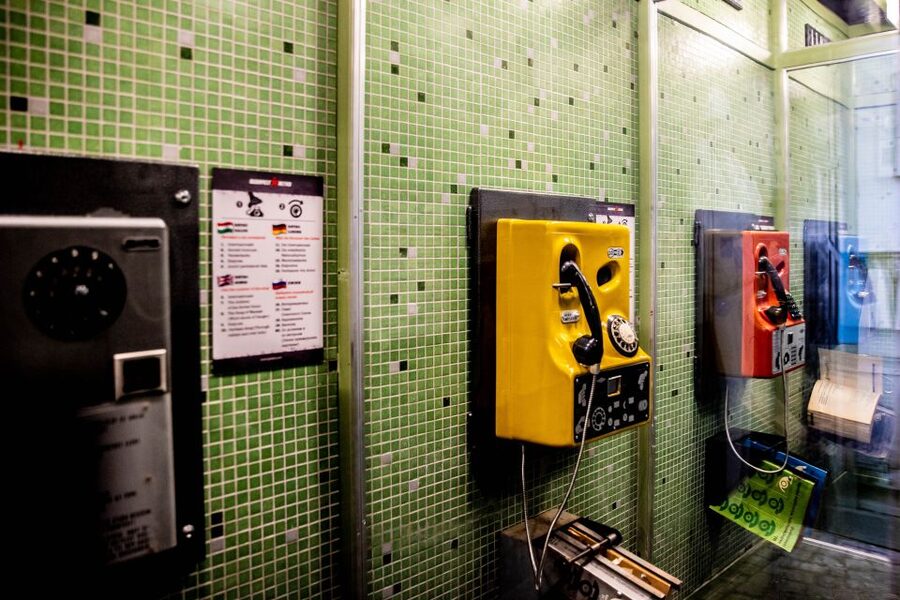
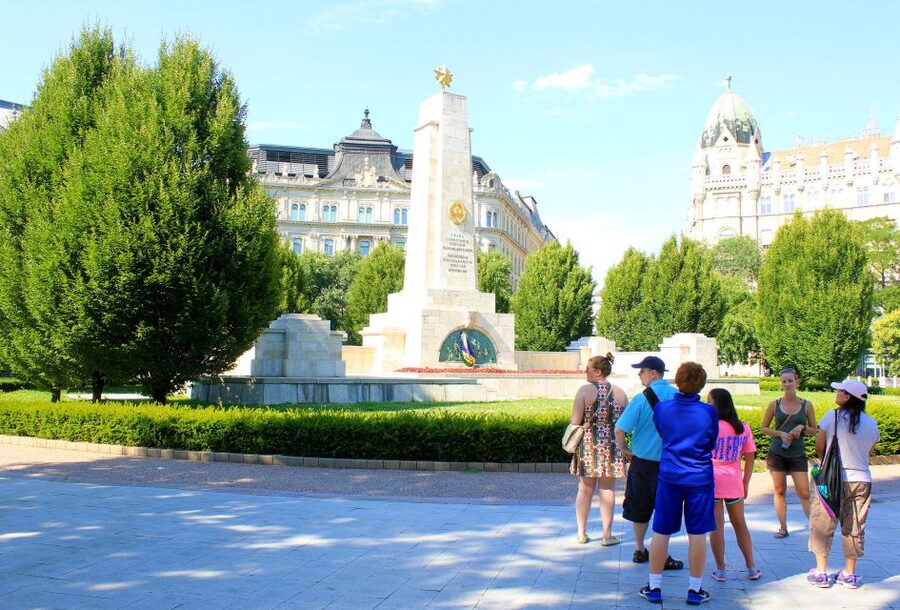
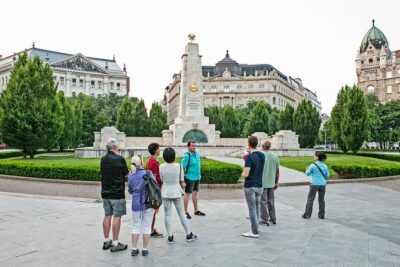
The tour walks to Liberty Square and the Soviet Memorial, including what’s described as the last Soviet monument. Liberty Square has a way of feeling bigger than its surroundings. That effect makes sense here, since it’s built for public messaging.
In this part of the tour, you’re looking at how a regime marked territory, then how later generations decided what to keep, what to remove, and what to turn into a warning. The Soviet presence is not presented as distant history. You’re guided to see it as something that occupied public space, shaped public feelings, and left behind objects and symbols that lingered even after power changed.
If you like moments where history hits your senses, this is one. The square is open, the meaning is heavy, and you’ll have time to reframe what you’re seeing after the guide explains the context.
Walking toward the Parliament area: reading modern Budapest with older eyes
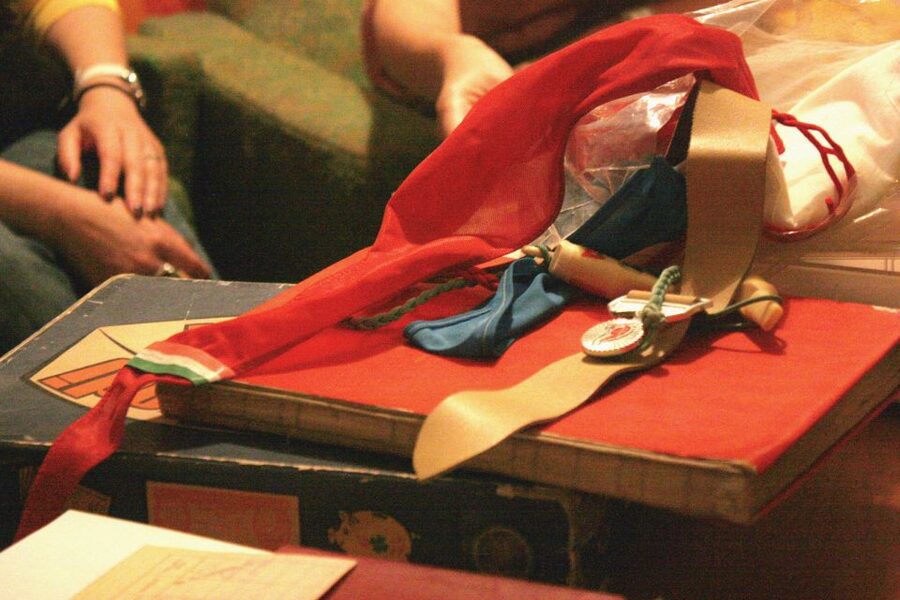
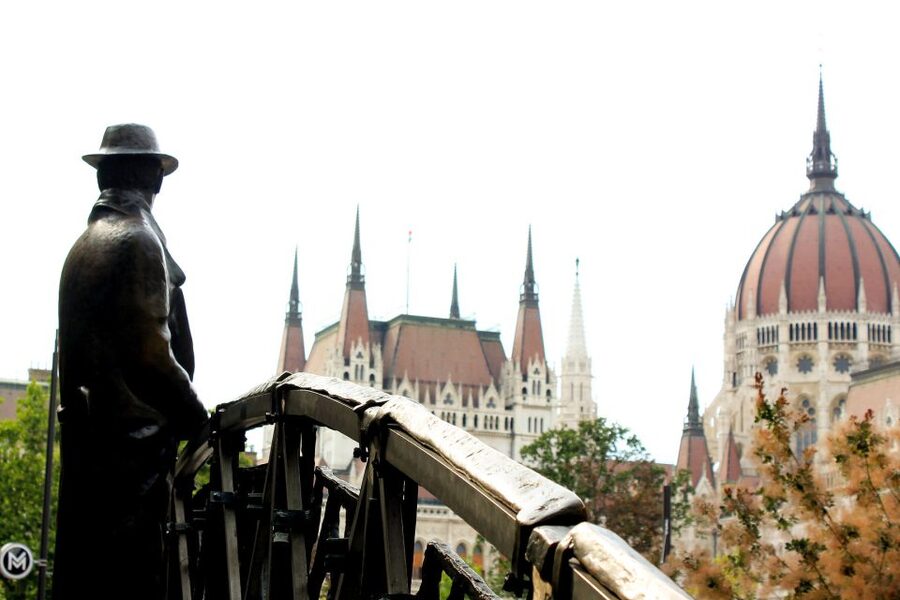
The route also includes the area around the Hungarian Parliament. On the surface, that’s a classic Budapest photo moment. In this tour, it becomes a comparison point.
You’ll hear how the events and political pressure of earlier decades helped shape what you now see in terms of civic symbolism. The guide’s job here is to connect the dots between authority, public space, and national identity. You’re not just admiring architecture, you’re learning why the city’s power structures mattered.
This part is also useful if you’re planning more self-guided sightseeing later. Once you’ve had the communist-era framing, you’ll likely notice other hints of political history in street layout, public squares, and who tends to gather where.
The guide experience: clarity, energy, and named examples
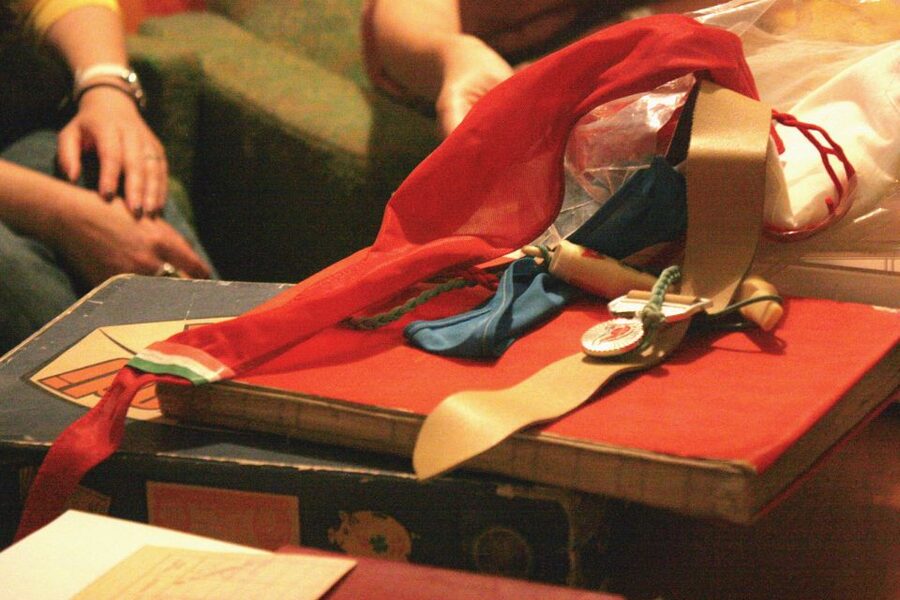
Because this is a live guided tour, the guide can make a big difference. In the higher ratings, the consistent praise is for professionalism and preparedness, with an emphasis on clear explanations and an interesting, conversational tone.
One guide name that comes up in reviews is George, who has been singled out for making the walk engaging and for telling stories in a way that sticks. Another review mentions a guide named Thomas, described as personable and informative, and with a focus on how Hungary looked before the country you’ll experience today.
That said, one lower rating notes less enthusiasm and less structured pacing. So if you’re sensitive to delivery style, pick a departure time that matches your preference. This tour is still an educational walk, not a theatre performance, so you want a guide who can balance facts with momentum.
Price and value: is $72 worth it?

At $72 per person for 2.5 hours, this sits in the mid-range for a topic-heavy walking tour. What helps value here is what you’re paying for beyond just time on foot.
Included benefits:
- A licensed expert guide
- A refreshment, typically coffee, tea, or a soft drink
What you do not get:
- No food included
- Gratuity is optional
- No pick-up or drop-off included as standard
I think the value is strongest if you genuinely want to understand communist Hungary, not just snap photos of monuments. The tour also seems to work well for people who already know some Cold War basics but want the Hungary-specific details, like how everyday life functioned.
One note for balance: at least one review questioned whether it was worth the price at a similar number earlier. That doesn’t mean the tour is overpriced, but it suggests the topic needs to match your interests. If you love social history, political stories tied to real places, and walking tours that connect the dots, this price can feel fair. If you’re less into that angle, you might want a broader city tour instead.
Who this walk fits best, and who should skip it
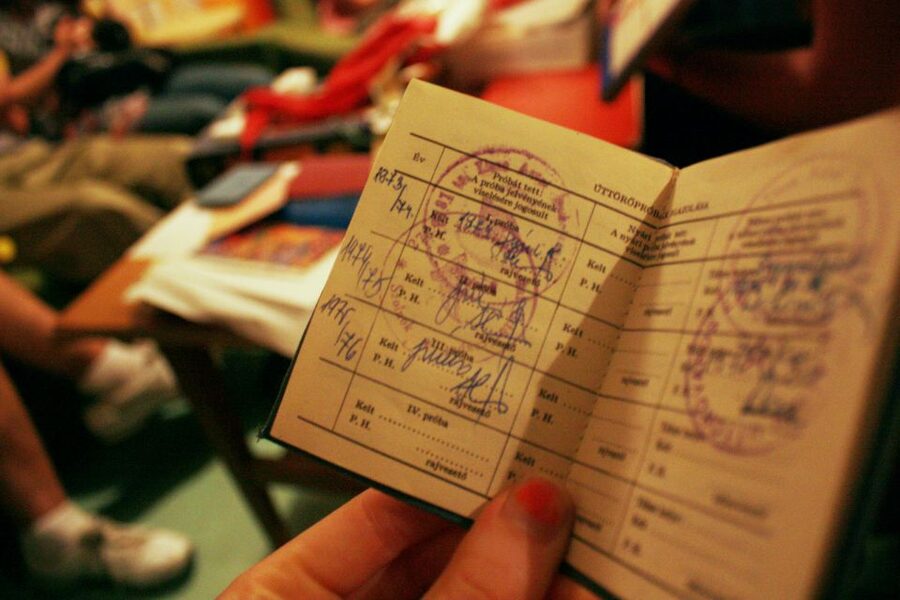
This tour is best for adults and older teens. It is not recommended for children under 14, mainly because it involves a subject matter that may be intense, and because it includes 2 hours of continuous walking.
It’s also not a match for people with mobility impairments, given the walking component and the fact that it operates in all weather.
Who tends to enjoy it the most:
- You want context before you explore independently
- You like history explained through streets and squares
- You’re interested in the 1956 Revolution and its longer shadow
- You’re curious about symbols of everyday life, like the Trabant
If your travel style is very relaxed, you may want to treat this as a priority event rather than squeeze it between other long activities. The walking time is real, and you’ll want the energy to listen carefully at each stop.
Practical tips for comfortable, all-weather walking
The tour runs in all weather conditions. That’s common for walking tours, but it’s worth taking seriously here because the subject matter gets dense, and you don’t want to be cold and distracted.
Bring:
- Comfortable shoes (this is not the time for soft sandals)
- Weather-appropriate clothing
- Comfortable clothes that let you keep moving
Plan on:
- A total experience time of 2.5 hours, with 2 hours of continuous walking
- Meeting at the Lutheran Church steps at Deak Ferenc Square
- Keeping expectations realistic if you prefer minimal walking
Also consider meeting logistics. Pick-up is optional if you enter your centrally located accommodation at booking. Otherwise, you meet at Deak Ferenc Square, which is straightforward if you’re already anchored in the city center.
So should you book the Budapest communist walking tour?
If you’re choosing between a quick highlights tour and something more specific, this one is for the people who want meaning behind what they see. You’ll walk through central Pest, learn about communist everyday life, visit an exhibition tied to the 1956 Revolution, and stand at Liberty Square to understand the Soviet monument context. The refreshment perk is small but helpful, and the guided storytelling is the core value.
Book it if:
- You like political and social history explained in plain language
- You want a city walk with clear stops and context
- You can handle 2 hours of steady walking
Skip it if:
- You need low-walking, low-intensity activities
- You are traveling with children under 14
- The idea of a heavy political theme will feel like a mismatch
FAQ
Where is the meeting point for the Hammer and Sickle Communism Walking Tour?
Meet your guide at 1052 Budapest, Deak Ferenc ter 4, in front of the Lutheran Church (pale yellow), on the church steps.
How long is the tour?
The tour duration is 2.5 hours.
How much walking should I expect?
You should expect 2 hours of continuous walking during the tour.
What language is the tour offered in?
The tour is offered in English.
What is included in the ticket price?
The tour includes a licensed expert guide and a refreshment (coffee, tea, or soft drink).
Is food included?
No, food is not included.
Is pickup available?
Pickup is optional. You can enter your centrally located accommodation details during booking. You can also meet the guide at Deak Ferenc Square.
Is the tour suitable for children?
The tour is not recommended for children under 14.
Is the tour available in bad weather?
Yes. The tour operates in all weather conditions.
Can I get a refund if my plans change?
You can cancel up to 24 hours in advance for a full refund.
Newest from the Danube banks
- Gödöllö Royal Palace Privately with full board★ 5.0 · 1 review
- Private Budapest Tour with Thermal Bath or Market Visit★ 5.0 · 1 review
- Private Budapest walking tour – 4 hours★ 5.0 · 1 review
- Budapest Half Day Car Tour with Guide★ 5.0 · 1 review
- Budapest Private Transfer from Budapest city centre to Budapest Airport★ 3.0 · 1 review
- Magic Theme Team Adventure Game in the Streets of Budapest★ 5.0 · 1 review
- Budapest: Eat the Street, food tour with wine, 16+ tasting★ 5.0 · 1 review
- Private Transfer Budapest Airport BUD to Budapest by Car or Van★ 5.0 · 1 review
Communist-Era Tours, compared.
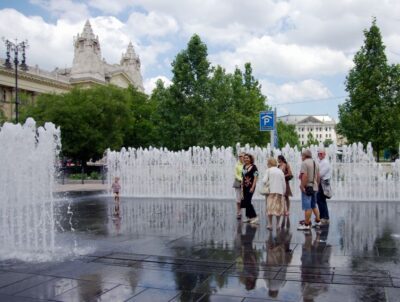
Budapest: Communist History Tour with House of Terror Option
Read our review →
Budapest: 3-Hour Walking Tour About Communism (Small Group)
Read our review →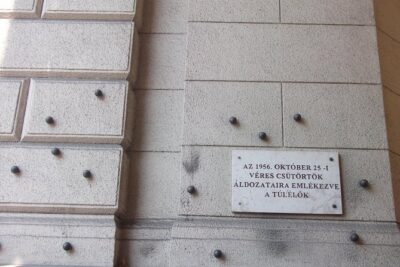
Budapest Hammer & Sickle Communist Times Tour
Read our review →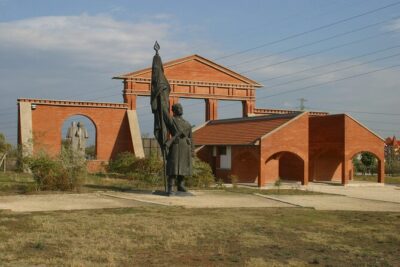
Memento Park Visit with Private Trabant Transfer
Read our review →
Browse the lists this tour appears in