
Reviewed · JEWISH DISTRICT TOURS
German tour in the Budapest city centre & the Jewish quarter
Budapest starts with big stories. This German walking tour connects the Parliament area with the Jewish Quarter in one smooth, compact loop. I like how it uses architecture and street-level details to explain how Hungarians think, work, and socialize.
My other favorite part is the guiding style. People consistently praise guides like Georgiana and Zsuzsanna for clear explanations and funny, human anecdotes that make places like St. Stephen’s Basilica and the synagogue area feel personal, not distant. One consideration: it is in German, and you also do not go inside any buildings, so you are here for the outside viewing, not interior tickets.
In This Review
- Key things to know before you go
- A 2.5-Hour German Walk That Links Parliament to the Jewish Quarter
- Meeting at Gyula Andrássy and Getting the Hungarian Backstory First
- Parliament, Szabadság Square, and St. Stephen’s Basilica Photo Stops
- Downtown Budapest’s Old Buildings and the Politics of Daily Life
- Jewish Quarter Walk: Rumbach, Dohány, Kazinczy, and the Street-Level Story
- Ruin-Pub Ending Near Kazinczy Street and Szimpla Kert
- Guide Quality Matters, and You Can Feel It in the Reviews
- Price and Value: Why $23 Works Here
- Practicalities That Affect Your Comfort
- Who Should Book This Tour Through Parliament and the Jewish Quarter?
- Should You Book This Tour?
- FAQ
- What is the duration of the Budapest city centre and Jewish Quarter walking tour?
- Where do I meet the guide?
- Is the tour in German?
- What does the tour cost?
- Does the tour include entrance fees to buildings?
- Where does the tour end?
- Is the tour wheelchair accessible?
Key things to know before you go
- Parliament to Basilica to the Jewish Quarter: one theme, multiple chapters, and plenty of photo stops.
- No entrance fees: you see major buildings from the street, so you can travel lighter.
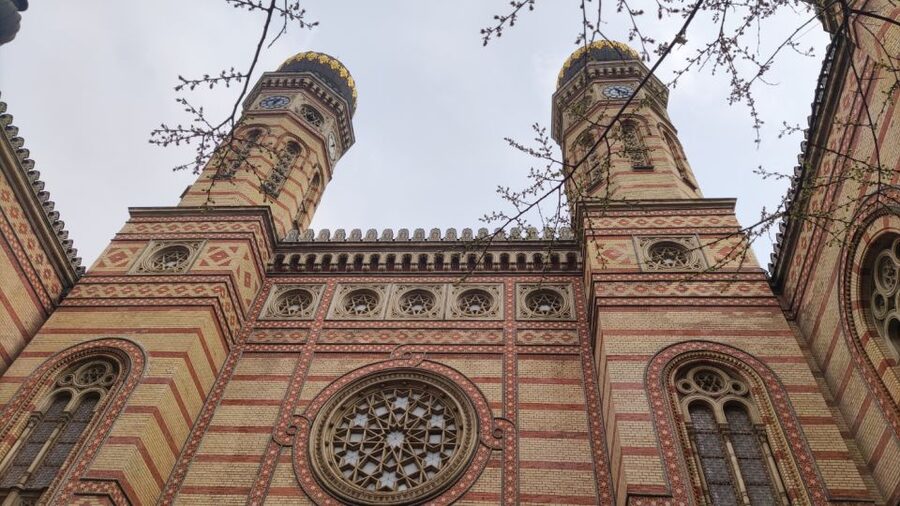
- Jewish Quarter highlights: Rumbach, Dohány, and Kazinczy synagogues plus monuments.
- Local life focus: politics, daily routines, and even financial habits show up in the storytelling.
- Finish near food and drinks: you end by Kazinczy Street Food and Szimpla Kert.
- Small or medium groups: easier questions and more back-and-forth during the walk.
Other walks through the old Jewish quarter:
- Budapest Jewish Heritage Memorial Walking Tour & Synagogue Entry
★ 5.0 · 568 reviews - Budapest: Jewish Heritage Guided Tour with Synagogue Ticket
★ 4.8 · 533 reviews - Past and Present of Budapest Jewish District Tour
★ 5.0 · 264 reviews
A 2.5-Hour German Walk That Links Parliament to the Jewish Quarter
This is a short, focused walk, priced at $23 per person for about 2.5 hours, which is a decent value in central Budapest. You are not paying for entry tickets, because the tour stays outside. For many visitors, that ends up being the smartest way to start: you get orientation fast, then you decide what to do next on your own.
You also get a “big picture to human scale” approach. Parliament and the grand downtown landmarks teach the official story. The Jewish Quarter stops then bring you back to daily life, community memory, and the city’s changing neighborhoods.
Meeting at Gyula Andrássy and Getting the Hungarian Backstory First
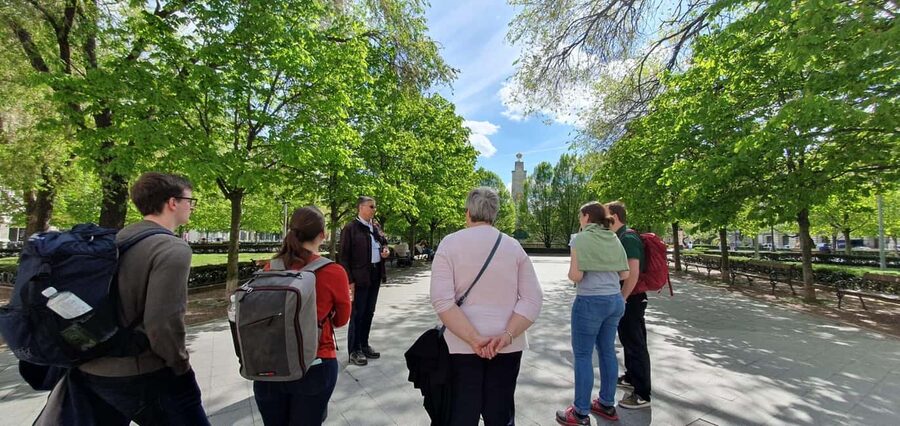
You meet by the statue of Gyula Andrássy, and your guide will be holding a tour guide card. That matters more than it sounds. When you start in one clear spot with a guide, you immediately avoid the awkward early wandering that can waste your first morning in Budapest.
The tour begins with a short explanation of Hungarian history. It is not presented like a textbook. Instead, the guide sets up the why behind what you see later: how Hungary’s past shaped politics, society, and even the way people talk about money and power today. You do not need to be a history nerd to enjoy it, but it helps you read the city like a story.
Parliament, Szabadság Square, and St. Stephen’s Basilica Photo Stops
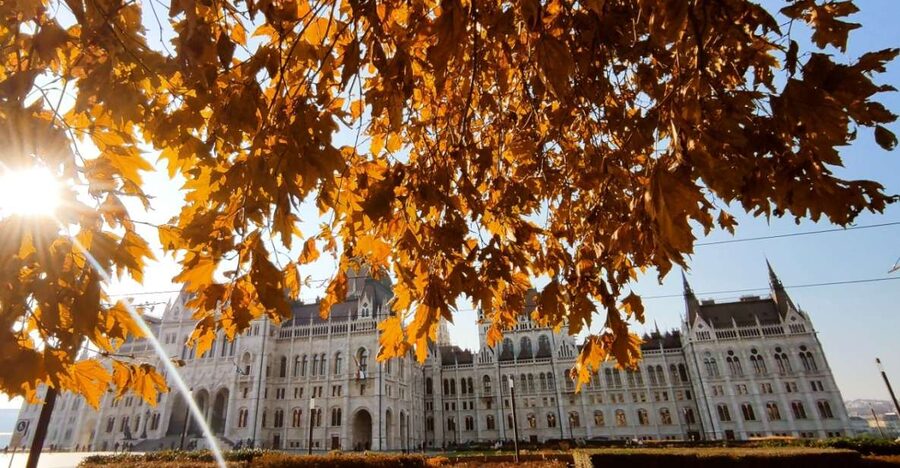
The walk starts with a look at the Hungarian Parliament Building. There is a photo stop plus guided sightseeing, and you get a quick tour of what makes the building important. The Parliament is one of those places where the architecture feels like a statement. The guide helps you notice the details so you do not just snap a photo and move on.
Next comes Szabadság Square, again with a photo stop and guided sightseeing. This stop is useful because it helps connect the grand downtown feel with the everyday public space Budapest uses. Think of it as the tour’s “transition room,” where the city shifts from formal monuments to more lived-in urban rhythm.
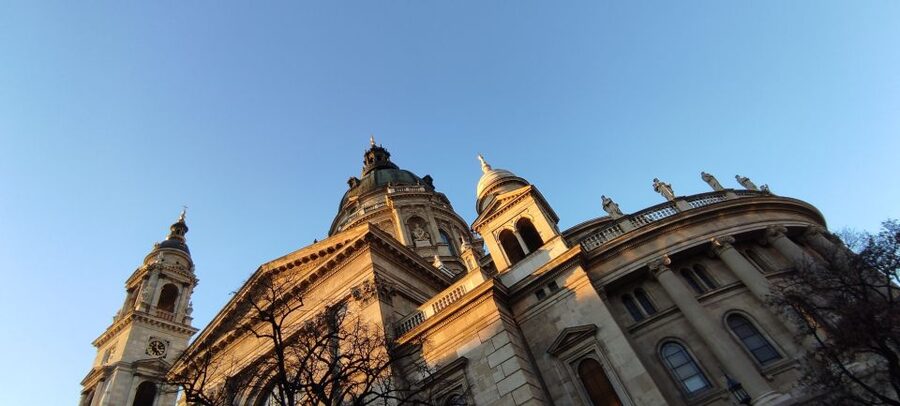
Then you head to St. Stephen’s Basilica for another photo stop. You get time to look up, really look, and understand the building’s monumental presence. The key benefit here is timing. In a 2.5-hour tour, you want the most visually powerful landmarks early, so you can spend later time on smaller streets with a clearer sense of direction.
Downtown Budapest’s Old Buildings and the Politics of Daily Life
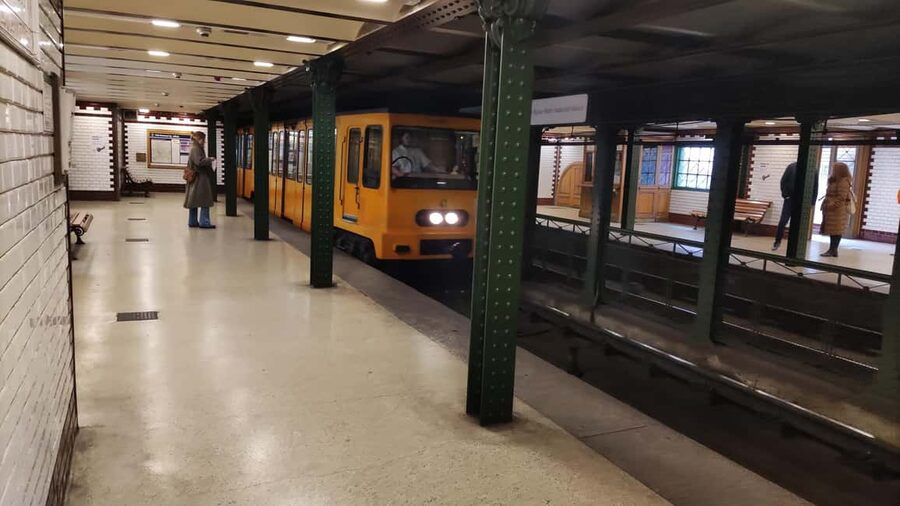
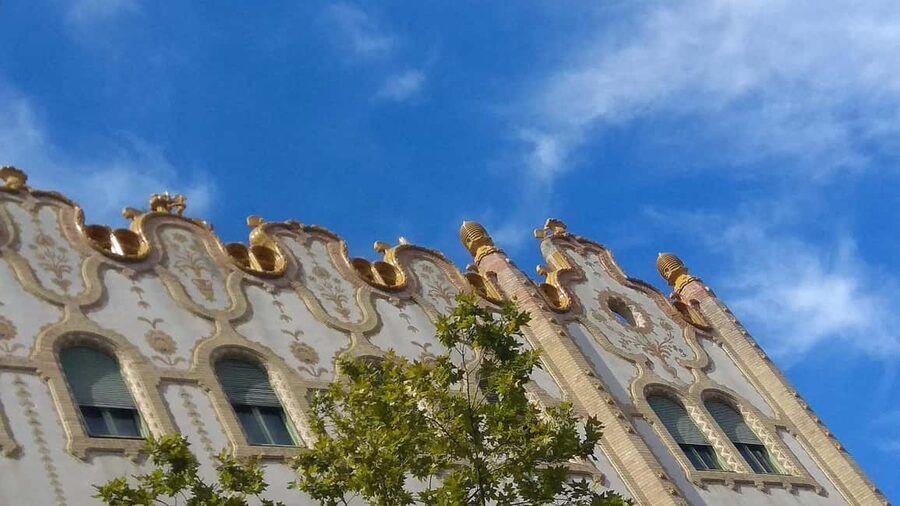
After the big landmarks, the tour follows the downtown stretch with major 19th and 1890s era buildings. You will see art nouveau style palaces, the Postal Saving Bank building, and the Hungarian National Bank building from the street. These stops do more than satisfy architecture lovers. They explain how the city organized commerce and civic life, and how those systems affected ordinary people.
The guide also weaves in everyday themes like routines, financial matters, politics, and society. That is the part I like most for non-experts. Instead of only describing what a building is, the tour connects it to how people used it. When you later pass similar facades on your own, you will understand what they were for.
One practical note: this is a walking tour with multiple photo moments. So if you are someone who hates waiting for group photos, you may feel a little slow at the landmark stops. But the trade-off is that the guide keeps the pace moving while still making each stop meaningful.
Other circuits taking both banks in one go:





Jewish Quarter Walk: Rumbach, Dohány, Kazinczy, and the Street-Level Story
This is where the tour really changes tone. The Jewish Quarter portion lasts about 50 minutes, and you will walk through a dense zone of memory, architecture, and modern street culture. You get photo stops plus guided sightseeing as you move between key synagogues and monuments.
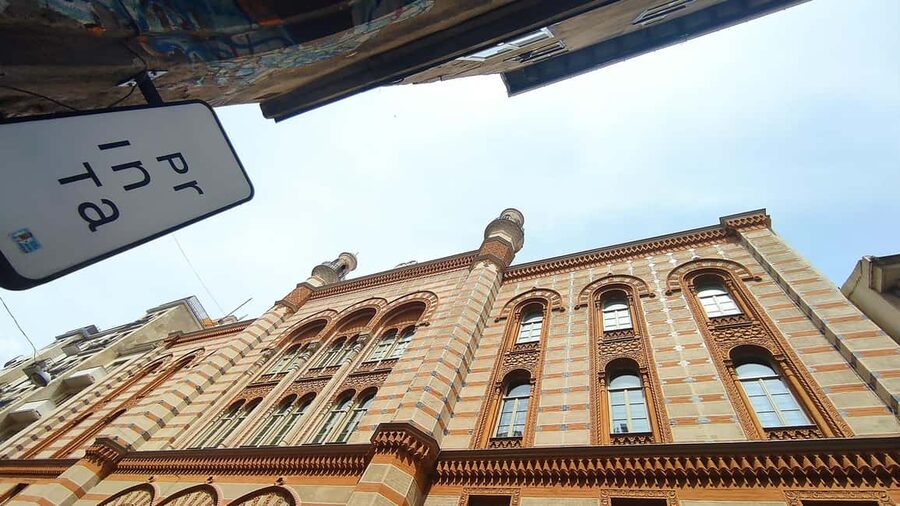
The specific synagogue names you will see are Rumbach, Dohány, and Kazinczy. Even from the outside, these buildings carry a strong identity. The guide’s job is to help you notice what the buildings communicate, and to connect that to the Jewish community’s presence in Budapest across time.
What I especially appreciate is that this part is not only about the old. The tour also points out modern street art and the culture around ruin pubs. You will hear about the neighborhood’s mix of remembrance and reinvention. It makes the Jewish Quarter feel less like a museum district and more like a living part of the city where history and nightlife overlap.
There is also a practical “how to explore later” element baked into the route. By the time you reach the end, you are not starting from zero. You know what street names matter and which area has the energy for food and drinks.
Ruin-Pub Ending Near Kazinczy Street and Szimpla Kert
You finish on Kazinczy Street, near the Karavan Street Food court and close to Szimpla Kert. This is a smart ending point because it turns your guided walk into a flexible next step. If you want lunch, snacks, or a casual drink, you are already in the right zone.
It is also a good place to decompress. After a mix of civic buildings and the Jewish Quarter story, you likely want something lighter. Ending near Szimpla also helps you avoid the common problem where tours end far from food and transit, forcing a frustrating scramble.
Keep in mind that ruin bars and food courts can be lively, especially later in the day. Plan your pacing accordingly so you can still enjoy the moment rather than feeling rushed.
Guide Quality Matters, and You Can Feel It in the Reviews
The experience is built around live German guiding, and the guide quality shows up again and again. Several reviews mention guide names like Georgiana, Zsuzsanna, and Shoshana, and the listed provider is Gábor Glasner. Different names, same pattern in the feedback: people praise guides for being friendly, funny, and passionate.
Why does that matter for you? Because a walking tour lives or dies on explanation. If the guide can answer questions and make connections between buildings and culture, you keep learning instead of just following a route. The comments about well-informed guiding and helpful restaurant or bar tips suggest you are not only getting facts, but also practical help to keep enjoying Budapest after the tour ends.
My advice: come with one or two curiosity questions in your notes app. For example, ask how the city’s financial institutions influenced neighborhoods, or why the Jewish Quarter area looks the way it does today. If your guide is as engaged as the comments suggest, those questions will get great answers.
Price and Value: Why $23 Works Here
At $23 per person for 2.5 hours, the math is pretty favorable if your goal is orientation and storytelling. You are not paying for inside visits, which means you control the pace. That also means you can spend your money later on the options that truly interest you.
The tour includes a digital Budapest Restaurant guide and a digital Budapest Money Saver & Guide. Even if you only use a couple of recommendations, those downloads can offset the cost of the entire tour by helping you eat well without overspending.
The real value is what you gain to do the rest of your trip. Once you understand the Parliament area and the Jewish Quarter from a guided perspective, you can walk those streets on your own with better context. That is the kind of value you feel immediately.
Practicalities That Affect Your Comfort
This tour is in German, and it is wheelchair accessible. Since it is a walking tour through central streets, it is still a good idea to wear comfortable shoes. Even with “only” 2.5 hours, the time adds up with photo stops.
The group is small or medium-sized. That usually means you get more chance to hear the guide without strain and more opportunity to ask questions. If you like a lively walk where people can interact, this kind of group size is a plus.
Also, there is no hotel pickup and drop-off. That is normal for city-center walking tours, but it means you should plan your start point energy. Get to the statue by Gyula Andrássy early enough to settle in.
Finally, this is an outside-only tour. If you were hoping to go inside synagogues or basilica interiors, you will need to plan those separately. Here, you are learning how to read the city from the street.
Who Should Book This Tour Through Parliament and the Jewish Quarter?
This is a great choice if you want:
- A first-time Budapest experience that mixes civic landmarks with neighborhood storytelling.
- A German-guided introduction that explains the “why” behind what you see.
- A compact route that ends near food options for the rest of your afternoon.
It may be less ideal if:
- You do not read German comfortably and want a lot of depth in your own language.
- You are only interested in paid interior sights, since the tour does not go inside buildings.
If you enjoy walking, photos, and short bursts of history tied to real places, you will fit right in.
Should You Book This Tour?
Yes, if you want a strong starting thread for your Budapest trip. The route makes sense, the time is manageable, and the outside viewing keeps it efficient. For many visitors, this is exactly what you want on day one or day two, when you still need orientation.
Book it if you appreciate guided context. The repeated praise for guides like Georgiana and Zsuzsanna, plus the way the tour includes both historic synagogues and modern street culture, suggests you will leave with a city you can actually navigate.
Skip it only if German is a dealbreaker or if you specifically want interior access. In that case, you can still explore these areas on your own, but you would lose the guided connections that make the streets click.
FAQ
What is the duration of the Budapest city centre and Jewish Quarter walking tour?
The tour lasts 2.5 hours.
Where do I meet the guide?
Meet by the statue of Gyula Andrássy. The guide will be wearing a tour guide card.
Is the tour in German?
Yes, the tour is in German.
What does the tour cost?
The price is $23 per person.
Does the tour include entrance fees to buildings?
No. Entrance fees are not included because the tour does not go inside buildings.
Where does the tour end?
The walking tour ends at Szimpla Kert, near Kazinczy Street and close to the Karavan Street Food court.
Is the tour wheelchair accessible?
Yes, the tour is listed as wheelchair accessible.
Newest from the Danube banks
- Pub Crawl Through The Ruin Bars in Budapest with T-shirt Included★ 4.5 · 14 reviews
- Rudas Bistro Premium Brunch★ 3.5 · 14 reviews
- Wine Tasting in the Countryside from Budapest★ 5.0 · 14 reviews
- Buda Castle District and Matthias Church Private Tour★ 5.0 · 14 reviews
- Pest side stories with a Historian★ 5.0 · 14 reviews
- Recirquel Company: Walk My World Immersive Show Entry Ticket★ 4.6 · 14 reviews
- Ram Gorge Hiking Adventure★ 5.0 · 14 reviews
- Budapest Rafting – Sunset Cruise★ 5.0 · 14 reviews
Jewish District Tours, compared.
Budapest Jewish Heritage Memorial Walking Tour & Synagogue Entry
Read our review →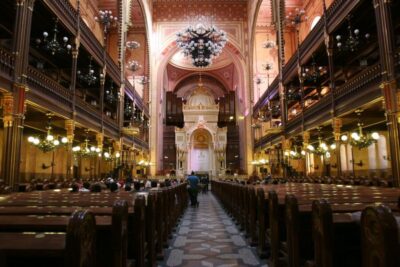
Budapest: Jewish Heritage Guided Tour with Synagogue Ticket
Read our review →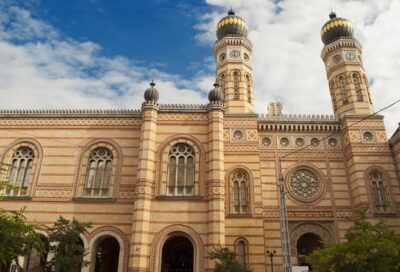
Past and Present of Budapest Jewish District Tour
Read our review →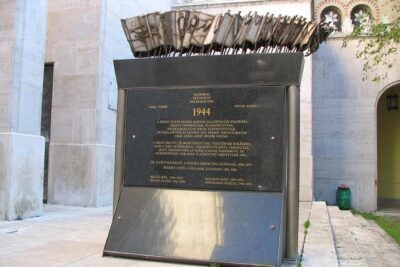
Budapest Dohany Synagogue & Hungarian Jewish Museum & free extras
Read our review →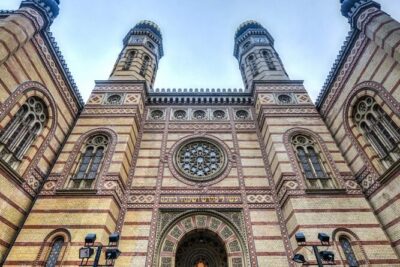
Budapest: Jewish History Guided Walking Tour with Historian
Read our review →
Budapest Dohany, Heroes’, Rumbach synagogues & Jewish Ghetto Tour
Read our review →
Browse the lists this tour appears in