
Reviewed · JEWISH DISTRICT TOURS
Past and Present of Budapest Jewish District Tour
Budapest’s Jewish Quarter tells a big story. This 1h45 walk strings together Elizabeth Square landmarks, synagogue exteriors, and city details that explain how the community changed from Budapest’s Golden Age to the Nazi period.
I especially like that you travel with a fully licensed local guide and get a clear route with major historical waypoints, not a random wander.
Second, I like how the tour keeps the focus on meaning, not just buildings. You’ll hear the big ideas behind movements like Neologue and Orthodox, plus names and events that shaped daily life in District VII.
One possible drawback: this walk is an exterior route. You won’t go inside the synagogues, so plan extra time if you want interior visits on your own.
In This Review
- Key things to know before you go
- Getting Oriented at Erzsébet tér, then Walking District VII with Purpose
- Belle Epoque to Destruction: The Story Arc at Elizabeth Square (Erzsébet tér)
- Deák Ferenc Square: Gaudiopolis and the City Wall That Pushed People Out
- Great or Central Synagogue (Nagy Zsinagóga) Exterior: Movements, Zionism, and Memory
- Rumbach Street Synagogue and Kazinczy Street Synagogue Area: Art, Community, and Ritual Life
- Gozsdu Udvar: From Ghetto Wall Remnant to Modern Passage Life
- Szimpla Kert and the Final Orientation Reset
- Price and Donations: Why $3.63 Can Still Be a Real Deal
- Group Size, Walking Pace, and Getting the Most Out of 1h45
- Who Should Book This Jewish District Walk, and Who Might Want More
- Should You Book This Past and Present of Budapest Jewish District Tour?
- FAQ
- FAQ
- How long is the Past and Present of Budapest Jewish District Tour?
- What language is the tour offered in?
- Does the tour enter the synagogues?
- Where does the tour start and where does it end?
- How big is the group?
- Is the ticket mobile?
- Is there an admission fee for the stops?
- Are tips included?
- Can I get a refund if I cancel?
- Are service animals allowed?
Key things to know before you go
- Small-group pace (max 25): it stays manageable and easy to follow.
- Synagogues viewed from outside: you see the Great Synagogue and memorial areas without paying entry fees.
- A straight-line story from Belle Epoque to destruction: the arc is intentional and chronological.
- Deák Ferenc Square context: Gaudiopolis and the Schutzpass story put the city’s choices in perspective.
- Ghetto wall and street life mix: Gozsdu Udvar adds a modern layer to a heavy past.
- End at Szimpla Kert: murals and pop-up culture help you reset after the darker parts.
Other walks through the old Jewish quarter:
- Budapest Jewish Heritage Memorial Walking Tour & Synagogue Entry
★ 5.0 · 568 reviews - Budapest: Jewish Heritage Guided Tour with Synagogue Ticket
★ 4.8 · 533 reviews - German tour in the Budapest city centre & the Jewish quarter
★ 5.0 · 359 reviews
Getting Oriented at Erzsébet tér, then Walking District VII with Purpose
The meeting point is right where you can get your bearings fast, Erzsébet tér, at the Budapest Ferris Wheel area. Expect a meet-and-greet with a fully licensed local guide, and a quick sketch of the route and the main sites you’ll cover.
What makes this start work is how it sets your mental map early. Instead of launching you into seven small streets with no context, the guide gives you the “why” of the walk: how this neighborhood became a center of Jewish life, then how oppression reshaped daily life, and how the quarter looks today.
This is also where you’ll appreciate the tour’s format. It’s designed as a 1 hour 45 minute walking experience, with multiple short stops (not long museum-style sits). You’re close enough to ask questions, but the pace keeps the story moving.
Practical tip: bring comfortable walking shoes. Several stops are outside and you’ll spend a good chunk of time standing near landmarks and looking at details up close.
Belle Epoque to Destruction: The Story Arc at Elizabeth Square (Erzsébet tér)
Stop one is Erzsébet tér, and that’s a smart choice because it anchors the story in Budapest’s broader “city identity” first. From here, the guide frames the Jewish story in Hungary with a time jump you can follow: from the Belle Epoque, often described as a golden era of culture and growth, through to the destruction that came later.
The tour also introduces a key idea you’ll hear again as you walk: Budapest was a place where Jewish communities could live, work, and build cultural life, but they also faced increasing restrictions and persecution as history turned.
You’ll learn about the Jews of Hungary with a focus on change over time, not just dates. That matters because it helps you understand why some buildings and streets still feel like they hold two worlds at once: the old civic confidence, and the later rupture.
At this first stop, you’re told what you’re going to see next. That’s the difference between a walking tour that “names things” and one that teaches you how to connect them.
Deák Ferenc Square: Gaudiopolis and the City Wall That Pushed People Out
At Deák Ferenc Square, the tour leans into two memorable concepts. First is Gaudiopolis, presented as the city of joy in Latin. The second is Schutzpass, explained as something that helped save thousands of Jewish lives.
Those aren’t just buzzwords. In practice, they give you two lenses:
- Gaudiopolis helps you picture daily life before the worst came.
- Schutzpass shows how wartime survival could depend on documentation, policies, and who had access to protection.
Then you’ll see the former medieval city wall ruins, which excluded Jewish people from trading within the city limits. Even if you’ve visited other parts of Europe, it’s worth paying attention here because you’re watching the city itself enforce who belonged where.
If you like history that connects social rules to physical space, this stop delivers. You’re not only learning about discrimination, you’re seeing how that discrimination shaped street life.
This is also a good moment to ask questions if you’re curious about how Hungary’s Jewish community lived under shifting regulations. The best guides on this route tend to keep answers specific and grounded in what you can see in front of you.
Great or Central Synagogue (Nagy Zsinagóga) Exterior: Movements, Zionism, and Memory

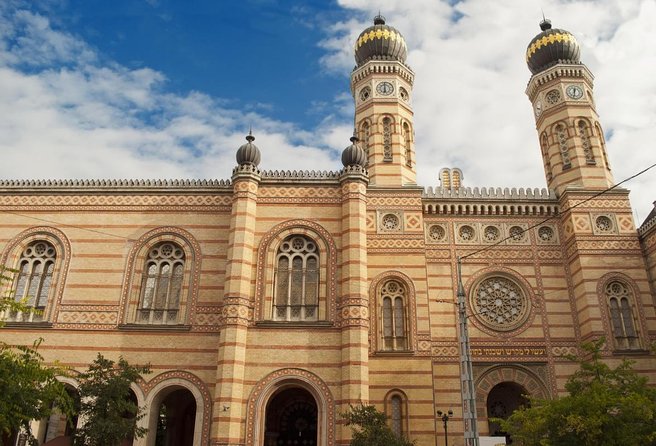
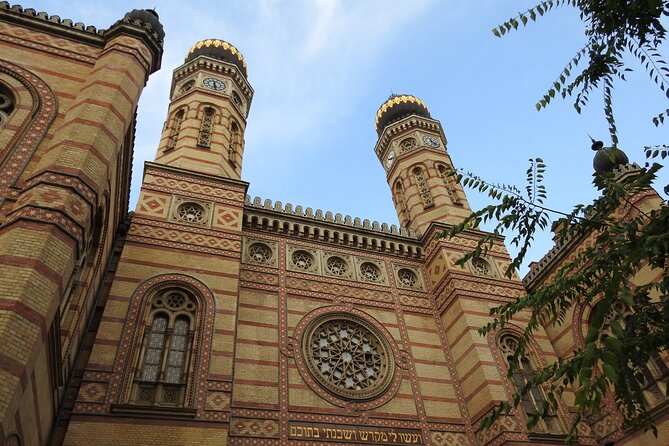
The Great Synagogue, Nagy Zsinagóga, is the headline stop for many people, and this tour uses that attention well. You’ll learn what you need to know about the largest synagogue in Europe, including the Neologue and Orthodox movements and the role of Zionism in the community’s thinking.
Important detail: the tour does not enter the synagogue. You’ll see the Memorial Courtyard and the cemetery from outside.
That works for a few reasons:
- You get the historical framing before you see the memorial elements.
- You avoid the time pressure of interior access.
- You still get something tangible, the courtyard and cemetery area, where memory is physically present.
One thing to consider is what you personally want. If your goal is interior architecture and guided access inside the sanctuary, you’ll need an additional plan. But if your goal is to understand how different Jewish movements shaped Budapest and why this site carries so much weight, the exterior approach can be enough to satisfy.
Also, be ready for emotional content. The tour includes the tragedy of the Hungarian Jews during the Nazi occupation of Hungary, so this is not a purely “pretty streets” outing.
Other ways an evening in Budapest can go:





Rumbach Street Synagogue and Kazinczy Street Synagogue Area: Art, Community, and Ritual Life
Two synagogue-related areas on this walk balance beauty with meaning.
At Rumbach Street Synagogue, you learn about a beautifully restored synagogue and you’ll notice the murals and urban street art around it. This stop is a reminder that the neighborhood is not frozen in history. Art shows up on walls now, not just in archival photos.
Next comes the Kazinczy Street Synagogue area, associated with the Orthodox community of about 50 to 60 families. You’ll also hear about kosher food and a Jewish ritual bath.
Even without entering the synagogue buildings, the tour teaches you what these places meant day to day. Synagogues were not only worship spaces. They connected people to community routines, food rules, and life-cycle practices.
A practical note: because you’re viewing exteriors, your experience depends a lot on your guide’s storytelling. This is where guide quality matters. Based on the names and feedback tied to this tour, some guides are known for explaining the complicated parts clearly and keeping the group engaged with humor and patience.
If you struggle with strong accents in English, you might want to position yourself where you can hear well and see the guide’s cues. The tour is in English, but delivery can vary by guide.
Gozsdu Udvar: From Ghetto Wall Remnant to Modern Passage Life
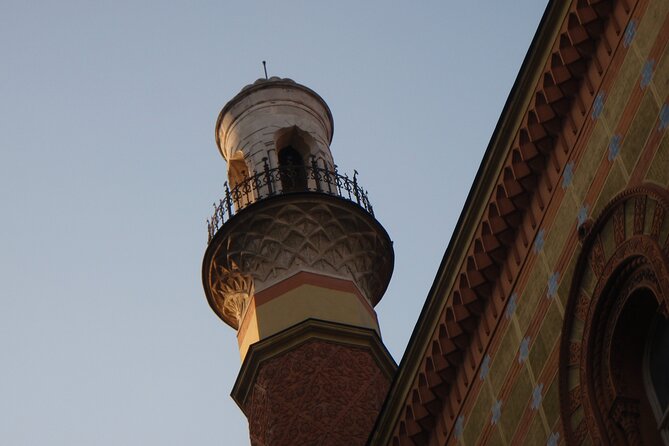
Gozsdu Udvar (the Gozsdu Passage area) is one of those stops that helps you understand the neighborhood’s overlap of past and present.
Here, you’ll pass the passage and learn about its past and present, including how the area combines entertainment, gastronomy, culture, and market activity today. Then the tour brings the memory back with one very concrete detail: you’ll see the last piece of the ghetto wall.
That combination is powerful, but it can also feel jarring if you’re not emotionally prepared. The walk handles that by keeping the explanation tight and by returning you to what you are seeing, rather than floating into abstract history.
I like this stop because it answers a real travel question: what does this quarter look like now? It’s easy to tour Holocaust history in a way that feels sealed off. This tour keeps the lens on how the streets function today, even after the events that changed everything.
If you want to linger after the tour, Gozsdu Udvar can be a natural place to do it. The story already sets you up to notice details rather than just shopping or eating.
Szimpla Kert and the Final Orientation Reset
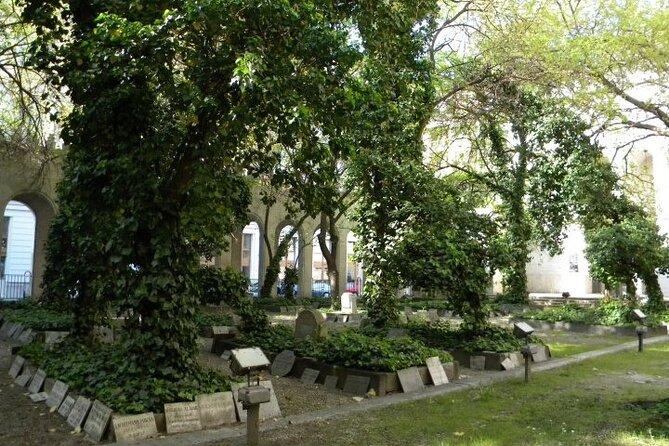
The walk ends at Szimpla Kert, a ruin bar. The guide uses this final stretch to point out more murals and urban street art, and to give you a final orientation of where you are in the district.
This matters for two reasons:
- You get a calmer, more playful atmosphere after the darker parts.
- You leave with visual anchors, not only names and dates.
You can also use Szimpla Kert as a practical landing zone. No entry fee is mentioned for it in the tour info, so it’s an easy place to regroup, take photos of murals, and decide what you want to do next in District VII.
If you like your tours to end with somewhere walkable where you can sit down and process, this ending is a good match.
Price and Donations: Why $3.63 Can Still Be a Real Deal
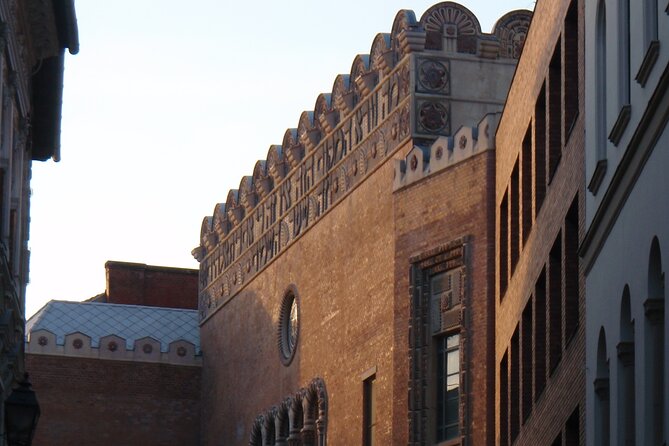
On paper, $3.63 per person looks like a bargain. The trick is understanding what you’re really paying for.
Your payment includes the booking fee. The tour information also says that the booking fee is directed toward administration and does not contribute to the guide’s earnings. That means the guiding itself runs on end-of-tour donations.
So yes, the price is low, but your total experience cost should include a tip or donation to the guide if you value good interpretation. The guides depend entirely on your donations at the end, and the amount is your choice.
Is it still good value? I think so, because for a little over 90 minutes you get:
- multiple synagogue exterior areas and memorial-related viewing
- context about Neologue vs Orthodox movements
- the Zionism thread
- the Schutzpass and Gaudiopolis stories
- the ghetto wall remnant and modern passage life
- and a route designed for orientation in District VII
If you’re comparing this to a longer guided program with interior synagogue access, the economics shift. But if you want a focused orientation walk with serious historical framing, this can be an efficient first step.
One nuance: a low price can attract mixed expectations. If you want more personal stories and less factual lecture, ask yourself whether you want to add follow-up reading or pair this with another visit. Some comments attached to this tour suggest that a more personal feel can vary by guide.
Group Size, Walking Pace, and Getting the Most Out of 1h45
This tour has a maximum of 25 travelers, which is the sweet spot for a walking story. Big enough for lively discussion, small enough that you can still see and hear.
The pace is walking and standing focused, not a sit-down talk. That’s why your shoe choice matters, and why you should arrive ready to stay with the group.
The tour also notes that most travelers can participate. In practice, that usually means it’s not designed as an intense hike, but it still involves sustained walking and listening.
What helps you have a good time:
- Ask questions early when you’re still fresh.
- Stay near the guide if you’re sensitive to accents or background noise.
- If you tend to get tired standing, plan a short break after the tour at Szimpla Kert.
You’ll also want to treat the content as serious history. The Holocaust and Nazi occupation period is part of the narrative here, and it can be heavier than you expect from a walking tour title.
Who Should Book This Jewish District Walk, and Who Might Want More
This is a great fit if you want:
- a structured orientation to District VII
- an understandable overview of Jewish community history in Budapest
- exterior viewing of major synagogue-related sites
- context you can use later when you read, visit museums, or explore on your own
It may be less ideal if your top priority is:
- entering and touring synagogue interiors
- a very personal, conversational storytelling style over a chronological historical explanation
- a lighter, purely aesthetic walk
Guide variation is real, and the best results often come from matching your expectations to the tour format. Names you may hear associated with strong performances on this route include Ester (described as best tour guide), Eszter, Dora, Gary, Edith, Christine, Jude, David, Edi, Judith, and Andy. Across those, the consistent praise is for friendliness, organization, and staying responsive to questions.
That doesn’t guarantee any single guide. It does suggest the standard you’re likely to meet.
Should You Book This Past and Present of Budapest Jewish District Tour?
If you’re visiting Budapest for the first time and you want to understand the Jewish Quarter without spending half a day, I’d book this. It’s a tight route with a clear story arc, and it hits major landmarks in a way that helps you walk the district later with better context.
I’d especially recommend it if:
- you want a quick, high-value overview in 1h45
- you like history that links people, rules, and place
- you want to see important sites like the Great Synagogue area and memorial courtyard details, even without interior access
- you’d like a guided narrative that includes both the good, the complicated, and the tragic
Book it with one clear plan in mind: this is an exterior learning walk. If you need interior synagogue time, you’ll want a separate visit.
If you want a walking tour that ends with murals and a place to decompress, this one does that too, ending at Szimpla Kert.
FAQ
FAQ
How long is the Past and Present of Budapest Jewish District Tour?
It lasts about 1 hour 45 minutes.
What language is the tour offered in?
The tour is offered in English.
Does the tour enter the synagogues?
No. The tour does not enter the synagogues. You view the Great Synagogue area, the memorial courtyard and cemetery from outside, and other synagogue-related stops from outside as well.
Where does the tour start and where does it end?
It starts at Erzsébet tér near the Ferris Wheel of Budapest and ends at Szimpla Kert on Kazinczy u. 14.
How big is the group?
The tour has a maximum of 25 travelers.
Is the ticket mobile?
Yes, it is a mobile ticket.
Is there an admission fee for the stops?
The stop details list admission tickets as free, and the tour focuses on exterior viewing rather than paying to enter buildings.
Are tips included?
No. Tips to your tour guide are not included, and guides depend on donations at the end of the tour. The donation amount is your choice.
Can I get a refund if I cancel?
Yes, there is free cancellation. You can cancel up to 24 hours in advance for a full refund.
Are service animals allowed?
Yes, service animals are allowed.
If you tell me what day of the week you’re going and whether you want synagogue interior time, I can suggest the best way to pair this walk with your extra hours in District VII.
Newest from the Danube banks
- Pub Crawl Through The Ruin Bars in Budapest with T-shirt Included★ 4.5 · 14 reviews
- Rudas Bistro Premium Brunch★ 3.5 · 14 reviews
- Wine Tasting in the Countryside from Budapest★ 5.0 · 14 reviews
- Buda Castle District and Matthias Church Private Tour★ 5.0 · 14 reviews
- Pest side stories with a Historian★ 5.0 · 14 reviews
- Recirquel Company: Walk My World Immersive Show Entry Ticket★ 4.6 · 14 reviews
- Ram Gorge Hiking Adventure★ 5.0 · 14 reviews
- Budapest Rafting – Sunset Cruise★ 5.0 · 14 reviews
Jewish District Tours, compared.
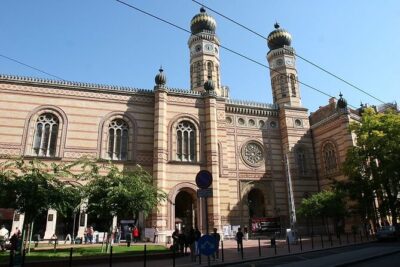
Budapest Jewish Heritage Memorial Walking Tour & Synagogue Entry
Read our review →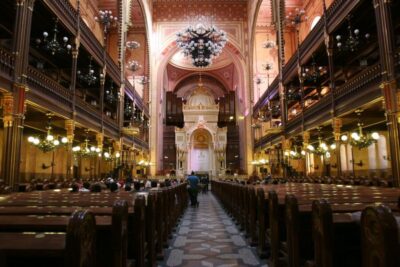
Budapest: Jewish Heritage Guided Tour with Synagogue Ticket
Read our review →
German tour in the Budapest city centre & the Jewish quarter
Read our review →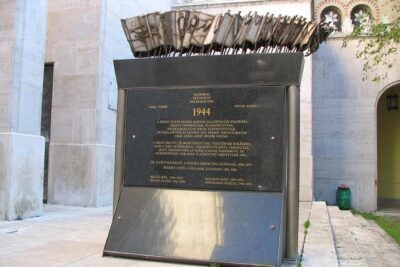
Budapest Dohany Synagogue & Hungarian Jewish Museum & free extras
Read our review →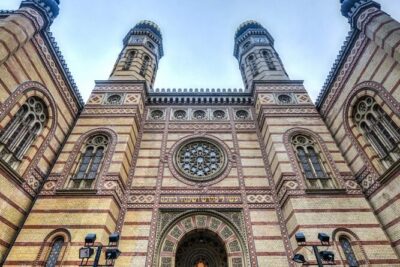

Budapest: Jewish History Guided Walking Tour with Historian
Read our review →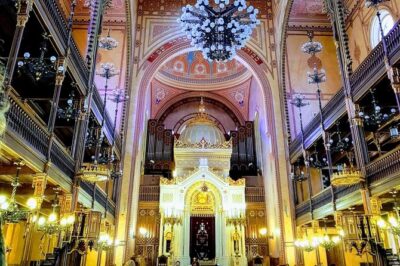
Budapest Dohany, Heroes’, Rumbach synagogues & Jewish Ghetto Tour
Read our review →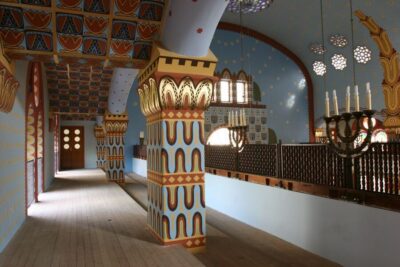
Browse the lists this tour appears in