
Reviewed · COMMUNIST-ERA TOURS
Life Behind the Iron Curtain, the communist Budapest private
Iron Curtain history feels real when you stand on it. This private, half-day tour links Budapest’s wartime turning point to the daily life and propaganda that followed, ending with a surprising stop on the Children’s Railway.
I especially like the balance here: the House of Terror side is direct and human, while Memento Park shows how ideology got turned into public art and then quietly pushed out of sight. One consideration: this tour covers persecution and victim stories, so it is not the kind of outing you do if you want light, easy sightseeing the whole time.
In This Review
- Key highlights
- A Private Half-Day Through Budapest’s Iron Curtain Sites
- Citadella and the Siege of Budapest, plus the Liberty Statue
- House of Terror: How the Museum Tells the Human Cost
- Memento Park’s 42 Statues, from Marx to the Liberation Soldier
- Budapest Walking Time: Seeing the Regime’s Footprint in Motion
- Children’s Railway in the Buda Hills, a Different Side of the Story
- Price and Value: What $294 Buys in a Private Setting
- Logistics That Affect Your Experience (Not Just the Fine Print)
- Who Should Book This Tour, and Who Might Want to Rethink It
- Should You Book Life Behind the Iron Curtain?
- FAQ
- How long is the private tour?
- Where does the tour pick up in Budapest?
- What are the main stops during the tour?
- Which parts of the tour are guided?
- What is included in the tour price?
- What is not included?
- What languages are available for the live guide?
- Is the tour wheelchair accessible, and what ID should I bring?
Key highlights
- Citadella viewpoint plus the Liberty Statue that started as a dedication to Russian troops and now reads as a general freedom symbol
- House of Terror guided visit with an audio guide element included for the museum experience
- Memento Park’s 42-piece open-air collection moved out of the city after 1945 to 1989
- Iconic statues on display including Marx, Lenin, and other communist-era figures you do not usually see in central Budapest
- Children’s Railway ride in the Buda hills originally the Pioneer’s Railway, run by children ages 10 to 14
- Private guide storytelling that can feel personal, with examples like Ildiko and Thomas praised for clarity and engagement
More of the decades behind the Iron Curtain:
- Budapest: Communist History Tour with House of Terror Option
★ 4.8 · 182 reviews - Budapest: 3-Hour Walking Tour About Communism (Small Group)
★ 4.7 · 70 reviews - Communism in Hungary with a Historian
★ 5.0 · 70 reviews
A Private Half-Day Through Budapest’s Iron Curtain Sites
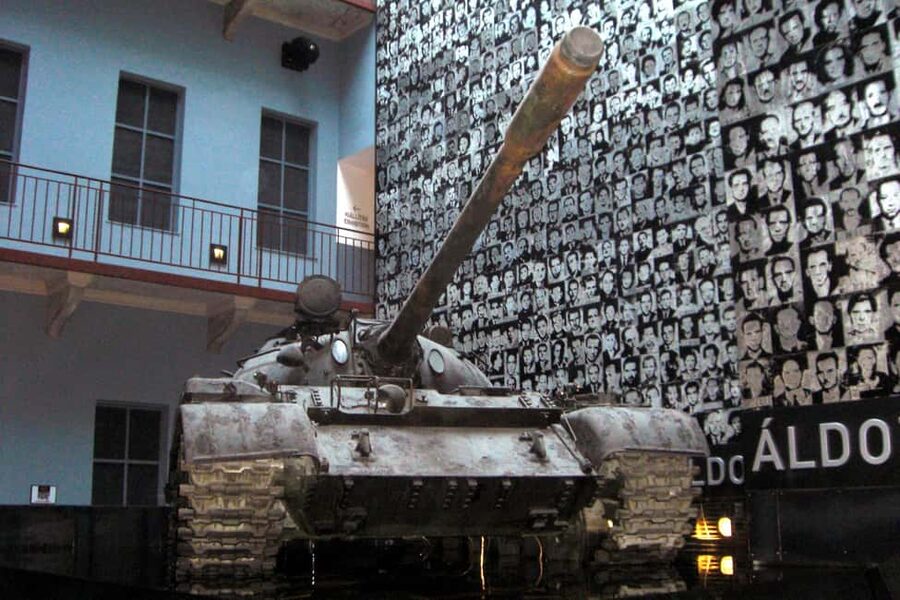
Budapest can look romantic from a tram window, but this tour pulls the focus back to what happened after World War II. You’ll move through key places tied to occupation, communist rule, and the way the regime tried to shape minds.
What makes this one practical is the pacing. You get van time plus guided walking, so you are not spending your whole trip figuring out routes, stairs, and timing. And since it’s private, your guide can adjust the emphasis depending on what you want most, wartime context or daily-life impacts.
Citadella and the Siege of Budapest, plus the Liberty Statue
You start up at the Citadella, on Gellert Hill, which is a strong choice for understanding the story. Here, you connect the physical city to the big political shift: the siege of Budapest toward the end of World War II, which marked the start of Hungary’s occupation.
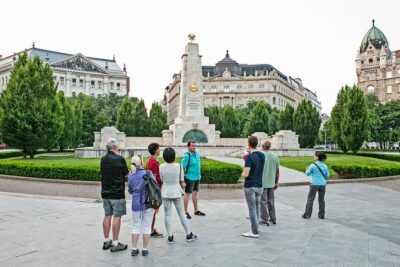
Then you see the Liberty Statue, also called the Freedom Statue. It was erected in 1947, originally dedicated to Russian troops, and its scale is hard to ignore. With a 26-meter pedestal and a 14-meter statue on top, it’s described as likely the tallest monument of its type in Europe, and today it’s treated as a universal freedom symbol across Budapest’s skyline.
The useful part for you is how your guide can explain the same object changing meaning over time. One monument can be a political statement for one era, then a reinterpreted symbol in another. If you like history that explains why people argue about the past, you’ll enjoy how this stop sets the tone.
House of Terror: How the Museum Tells the Human Cost
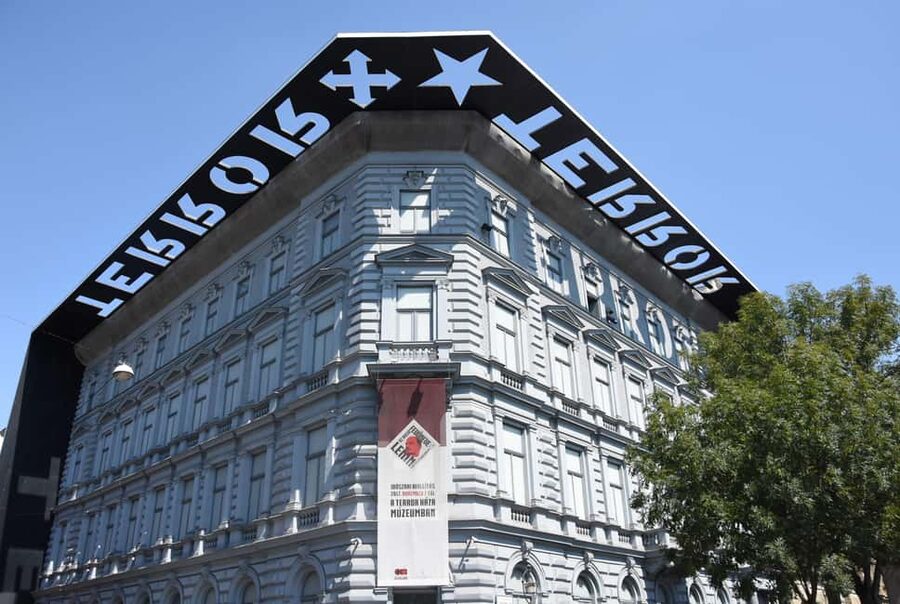
Next comes the most emotional stop. The Terror Museum, also referred to as the House of Terror during your visit, is built around victims of the communist era, not political slogans.
You’ll get a guided visit (about 1.5 hours), and an audio-guide element is included with the museum experience. That combination matters because the subject is heavy and details can blur if you try to do it alone. A guide can help you connect what you’re seeing to what it meant for ordinary people.
A practical tip: pace yourself. After a museum like this, your brain needs a breather, even if you still feel curious. If you get even slightly overwhelmed, ask your guide to slow down on the interpretation, and then you can move on when you’re ready.
Memento Park’s 42 Statues, from Marx to the Liberation Soldier
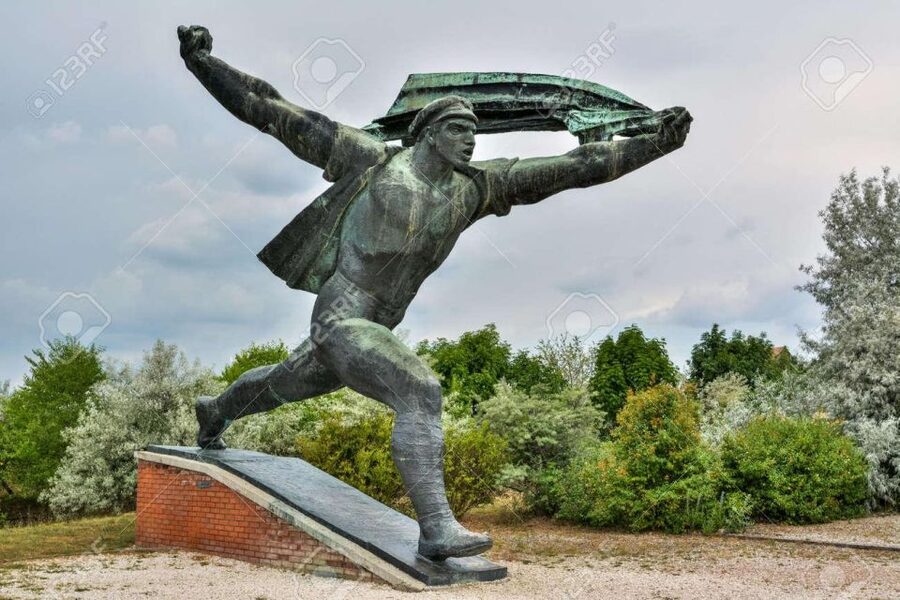
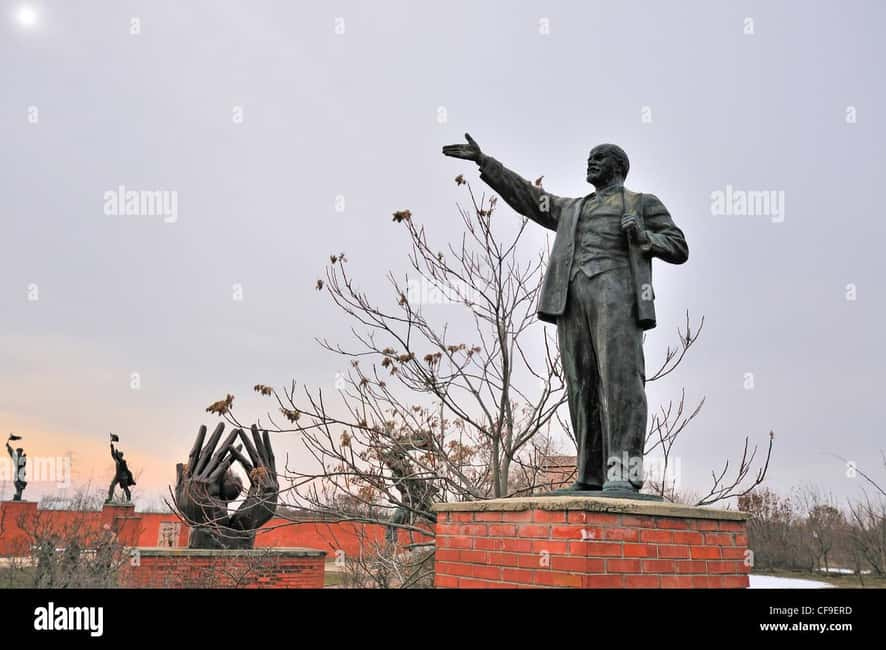
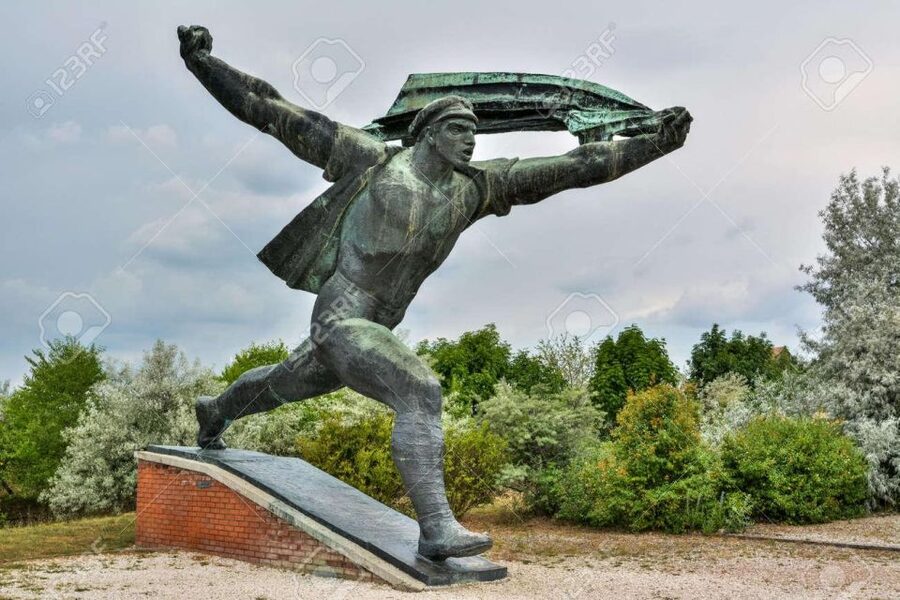
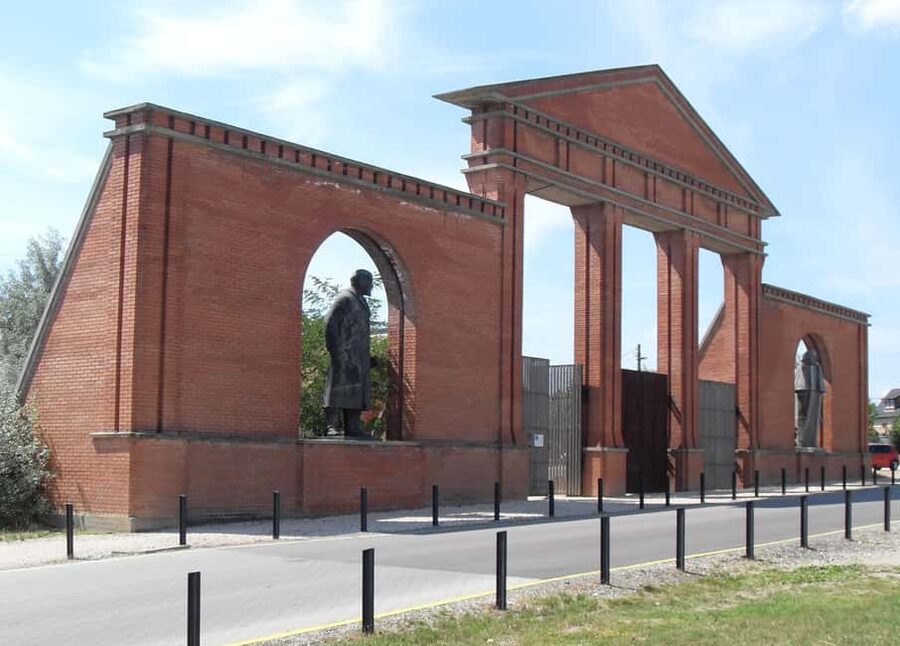
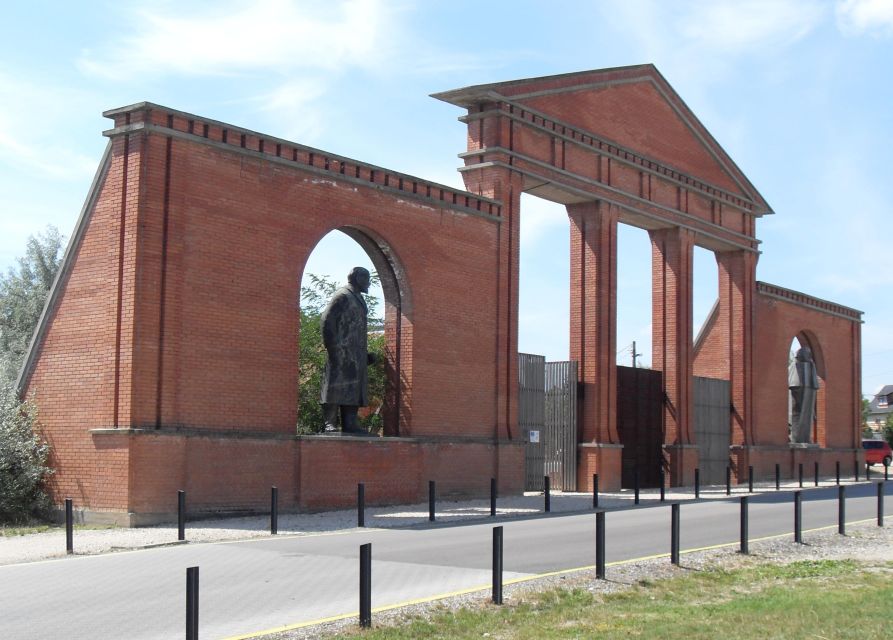
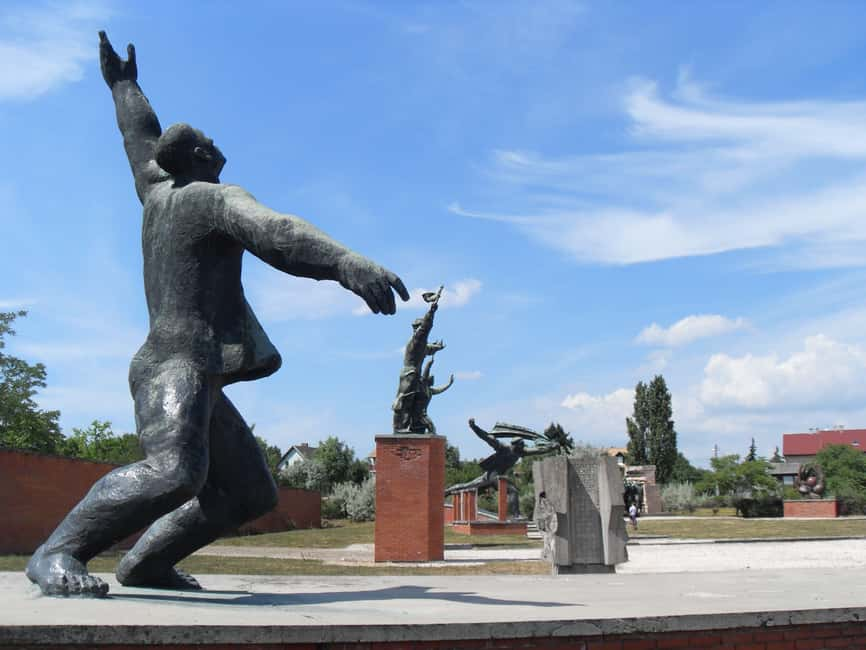
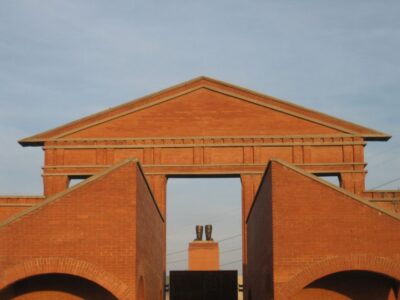
After the darkness, you shift to something visually striking, and that’s the point. Memento Park is an open-air museum where communist-era monuments were relocated away from central areas.
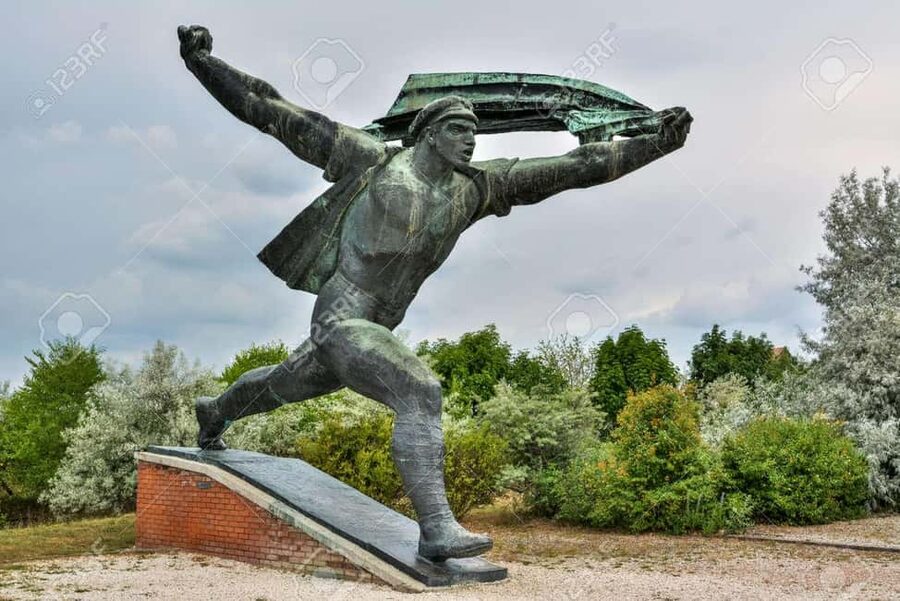
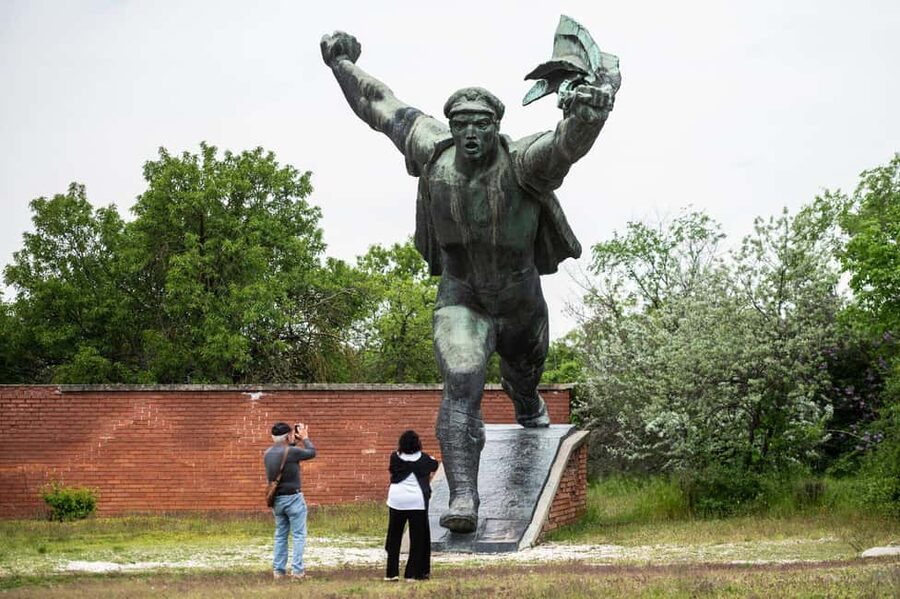
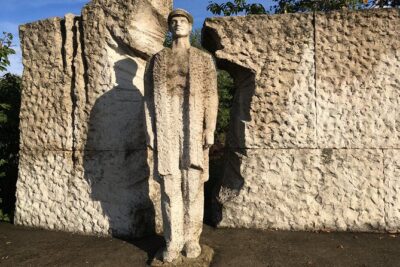
You’ll spend about an hour there with a guided walk. The collection includes 42 pieces, so it’s not a quick look-and-go. One standout mentioned for scale is the 6-meter-high statue of the Liberation Army Soldier, which helps you see how power was literally built to be seen from far away.
You’ll also see the figures most people recognize from textbooks and history documentaries, including statues of Marx, Lenin, and other Hungarian communist leaders. Your guide will also show monuments like the Memorial of the Hungarian-Soviet Friendship, along with additional works installed between 1945 and 1989 and later moved out.
Here’s what I like about Memento Park for your decision-making: it’s not only about naming leaders. It shows you how propaganda works through public space, the placement of heroes, and the repetition of symbols in everyday life. Even if you don’t know every figure, the guided context helps you read the “language” of the monuments.
Some other Danube days worth pricing up





Budapest Walking Time: Seeing the Regime’s Footprint in Motion
The tour also includes guided time in central Budapest, which is important because it connects the monuments to the city’s feel. You’ll use this part to tie your earlier stops into what the urban setting tells you.
This is a good moment to ask direct questions you might have after the museum experience. For example, you can ask how the city handled these monuments in different political periods, or why certain symbols were kept while others were moved. The guide’s job here is to make you understand the “why,” not only the “what.”
Because this is a private tour, your walking time can also be adjusted to your comfort. If you want more photo breaks or you need fewer steps, that’s the benefit of having a single guide working to your pace.
Children’s Railway in the Buda Hills, a Different Side of the Story
Then you end on a lighter note, and it’s not random. The tour finishes with a ride on the Children’s Railway in the Buda hills, which is originally known as the Pioneer’s Railway.
This line opened in 1949 and, historically, was operated by children aged 10 to 14. That detail turns the ride into something more than a cute end-of-tour activity. It’s a snapshot of how the communist system tried to shape future citizens, starting with youth culture and organized participation.
I like that this ending gives you a wider view of the era. You see persecution and control in the museums, but you also see how institutions were built to train people from the ground up. It can feel surprising, even a little unsettling, and that mix is exactly why the ending works.
Price and Value: What $294 Buys in a Private Setting
At $294 per person for a 5-hour private tour, you’re paying for time, access, and storytelling. The value is strongest if you want more than a checklist of monuments, because the guide is the main “ingredient” that turns sites into an understandable narrative.
You also get transfers built in, plus hotel pick-up and drop-off from agreed locations. That matters in Budapest because saving yourself tram or taxi decisions helps you stay on schedule, especially when your itinerary involves both hilltop views and museum time.
One practical note: the price does not include entry fees to Retro Museum and the House of Terror. That doesn’t ruin the value, but you should budget for those add-ons so you are not surprised on the day. Lunch is also not included, so plan to eat before you start or after you finish.
Logistics That Affect Your Experience (Not Just the Fine Print)
This is a private group tour, so it’s built around your party, not a crowded schedule. The itinerary uses a van portion and walking portions, which usually makes a big difference if you’re visiting multiple sites in one half-day.
Pickup options include District XI., District V., and District VII. You can also get pick-up at your accommodation or other agreed locations. For you, that flexibility is a real quality-of-life benefit, because it cuts down on time wasted coordinating meeting points.
The tour is described as wheelchair accessible. Still, if mobility is limited, it’s smart to mention it when you confirm so the guide can plan your movement around museum sections and viewpoints.
Who Should Book This Tour, and Who Might Want to Rethink It
This is ideal for you if you want a clear, guided explanation of how Hungary moved from World War II into communist rule, and how the physical city still carries that story. It’s also a strong fit if you like visiting sites that are specific, not vague, and you prefer interpretation over reading everything alone.
It’s a less ideal choice if you hate heavy subjects or if you want a purely upbeat day. Even though the tour ends with the Children’s Railway, the center of gravity is the House of Terror and the attention to victims.
Also consider your interests. If you’re only looking for the famous “Budapest sights” postcard hits, this tour may feel more intense than you expected. But if you want to understand the city at street level, through the ideas and the aftermath, it lands well.
Should You Book Life Behind the Iron Curtain?
I’d book it if you want your Budapest history to feel grounded in real places, and you care about context. The combination of Citadella and the Liberty Statue sets up the political shift, Memento Park shows how ideology was made visible, and the House of Terror keeps the focus on consequences for people.
The private format also matters. When your guide is well paced and able to connect big events to lived experience, the tour stops feeling like a museum run and starts feeling like a story you can follow. Examples of strong guiding, including Ildiko and Thomas, point to what you’re really buying here: clear explanations and an engaging style that keeps the subject accessible without softening it.
If you’re ready for serious content and you want a thoughtful, structured way to see Budapest’s communist era from multiple angles, this one is worth your time.
FAQ
How long is the private tour?
The tour duration is 5 hours.
Where does the tour pick up in Budapest?
Pickup is available at your Budapest accommodation or other agreed location, and there are also 3 pickup location options in District XI., District V., and District VII.
What are the main stops during the tour?
You’ll visit the Citadella area and see the Liberty Statue, then the Terror Museum or House of Terror, continue to Memento Park, and finish with a ride on the Children’s Railway in the Buda hills.
Which parts of the tour are guided?
Memento Park has a guided tour (about 1 hour), the House of Terror has a guided tour (about 1.5 hours), and Budapest has guided time (about 2 hours), with van transfers between stops.
What is included in the tour price?
Transfers and a guide are included, along with entry into Memento Park and hotel pick up and drop off.
What is not included?
Entry fees to Retro Museum and the House of Terror are not included, and lunch is also not included.
What languages are available for the live guide?
The live guide is available in English, Spanish, Italian, German, and French.
Is the tour wheelchair accessible, and what ID should I bring?
The tour is wheelchair accessible. You should bring a passport or ID card.
Newest from the Danube banks
- Gödöllö Royal Palace Privately with full board★ 5.0 · 1 review
- Private Budapest Tour with Thermal Bath or Market Visit★ 5.0 · 1 review
- Private Budapest walking tour – 4 hours★ 5.0 · 1 review
- Budapest Half Day Car Tour with Guide★ 5.0 · 1 review
- Budapest Private Transfer from Budapest city centre to Budapest Airport★ 3.0 · 1 review
- Magic Theme Team Adventure Game in the Streets of Budapest★ 5.0 · 1 review
- Budapest: Eat the Street, food tour with wine, 16+ tasting★ 5.0 · 1 review
- Private Transfer Budapest Airport BUD to Budapest by Car or Van★ 5.0 · 1 review
Communist-Era Tours, compared.
Budapest: Communist History Tour with House of Terror Option
Read our review →
Budapest: 3-Hour Walking Tour About Communism (Small Group)
Read our review →
Budapest Hammer & Sickle Communist Times Tour
Read our review →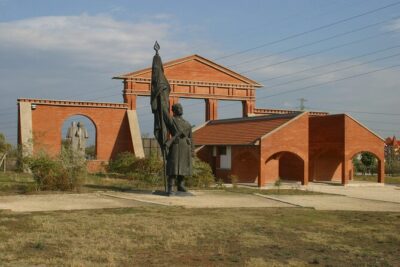
Memento Park Visit with Private Trabant Transfer
Read our review →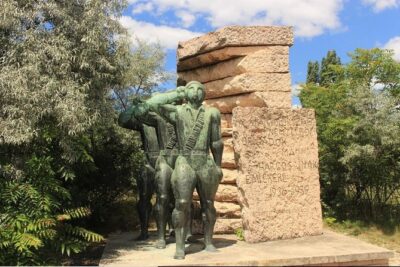
Browse the lists this tour appears in