
Reviewed · COMMUNIST-ERA TOURS
Life Under Communism with House of Terror or Statue Park
Communism feels close up here. I like the interactive presentation that connects the 1960s to the late 1980s, and I like the start at Bambi Eszpresszó, a real 1980s-style meeting place. One consideration is that this is not built for mobility limitations, since you will be on your feet for the duration.
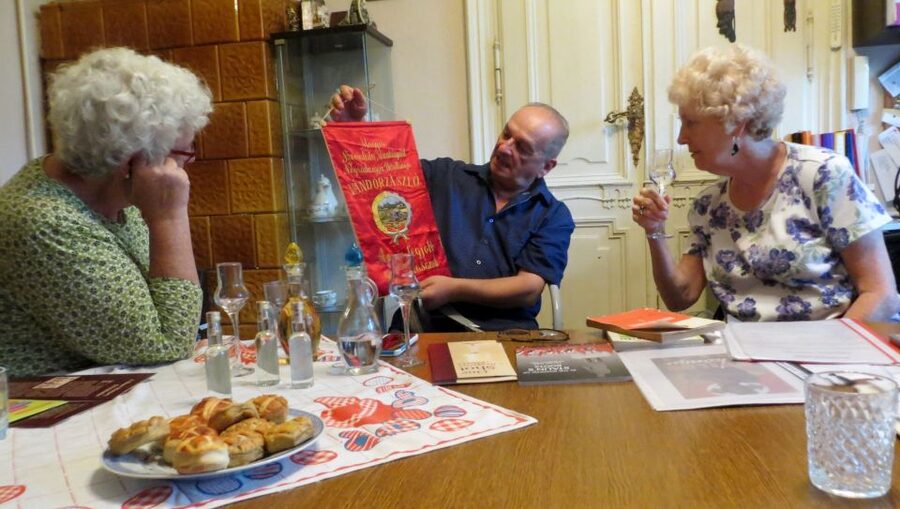
This is a private group tour in Central Hungary with pickup included from your accommodation in Budapest. The program is run by Annamaria and Miklos, and you can choose English, German, or French, so the discussion stays personal.
What you get is not just slogans and dates. You’ll learn how the communist system worked on multiple levels, then hear what that meant for everyday life in Budapest, plus what remnants you can still spot today.
In This Review
- Key highlights worth caring about
- From Bambi Eszpresszó to the communist era: what the 3 hours really delivers
- How the communist system is explained, in plain language
- Everyday life in Budapest, 1960s through late 1980s
- House of Terror or Statue Park: using real locations to sharpen the story
- Private guides, Annamaria and Miklos, and why the tone matters
- Public transportation in Budapest: a smart way to see more
- Price and value: $282 per group up to 5
- What to bring, and how to dress without overthinking it
- Who should book Life Under Communism in Budapest
- Should you book? My practical recommendation
- FAQ
- How long is the tour?
- How much does it cost and is it per person?
- Is this a private tour?
- Where does the tour start and do you get pickup?
- What languages are available?
- What is included, and is food provided?
- Is the tour suitable for people with mobility impairments?
Key highlights worth caring about
- Bambi Eszpresszó, your 1980s “meet and talk” starting point
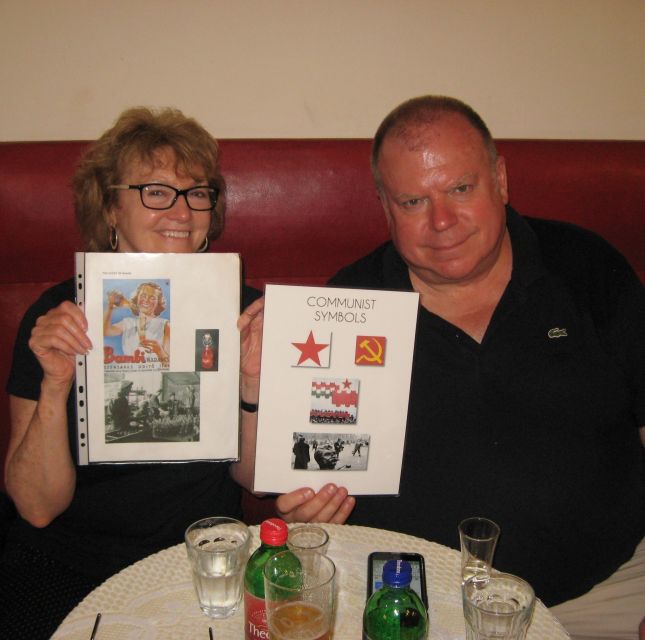
- A hands-on, interactive presentation with printed materials, notebooks, and pens
- A clear explanation of how the system functioned across multiple levels
- Everyday life in Budapest, from the 1960s through the late 1980s
- A guide-led contrast of then versus now, including lingering remnants
- Private-group pace with real room for dialogue
More of the decades behind the Iron Curtain:
- Budapest: Communist History Tour with House of Terror Option
★ 4.8 · 182 reviews - Budapest: 3-Hour Walking Tour About Communism (Small Group)
★ 4.7 · 70 reviews - Communism in Hungary with a Historian
★ 5.0 · 70 reviews
From Bambi Eszpresszó to the communist era: what the 3 hours really delivers
The tour begins at Bambi Eszpresszó, and that matters. Instead of starting with a history lecture in a classroom, you start in a place that feels like a social hub, the kind of spot people might have used to meet, talk, and pass time in the 1980s. It sets the tone right away: this is about everyday life, not just official ideology.
From there, the next part of your time in Budapest is an interactive, personal presentation. It runs for about three hours total, and you get a guide-led flow where you move from concepts to real-life implications. In practice, that means you are not just being told what happened. You are being guided through how people experienced the system, what daily routines were shaped by, and what changed after.
You’ll also notice one key difference from many tours: the format is built for conversation. In the feedback I saw, people liked that the guide could adjust to the group’s interests and keep time for honest discussion. That is exactly how you want this kind of subject to feel. History is heavy, but the best tours keep it human.
Finally, the tour is designed around a contrast. You don’t just stop at what communism was. You see how decades of it have impacted Hungary and how remnants still show up around you.
How the communist system is explained, in plain language
One of the strongest parts of this experience is that it doesn’t treat communism as one topic. You get an overview of how the communist system worked on multiple levels. That can sound broad, but the payoff is practical: it helps you understand why everyday life felt the way it did.
Rather than turning it into a list of facts, the guide’s job is to connect the dots. You’ll come away with a more usable mental model for how the system influenced daily choices, access, and expectations. When you travel in Budapest and look at buildings, institutions, and city patterns, it becomes easier to ask better questions like: What shaped this? What changed later? What kept lingering?
This is also where having a private group helps. When you can ask questions directly, you get clarity faster. The tour is offered in English, German, and French, so you can also choose the language that keeps the discussion smooth and comfortable.
And yes, you’ll still hear the big picture. But you are also guided toward the daily side, which is usually what separates a good lecture from a forgettable one.
Everyday life in Budapest, 1960s through late 1980s
The tour specifically focuses on everyday life in Budapest across several decades, from the 1960s through the late 1980s. That timeline shift is important, because it lets you see that the communist era was not frozen in one mood. The daily experience evolved, and the guide keeps that flow moving.
What I’d watch for during the presentation is how the guide makes everyday life concrete. You should expect discussion about how ordinary routines were influenced, and how the system shaped what people dealt with day to day. That is the reason this tour feels like a trip back in time.
You’ll also hear about how decades of communism impacted Hungary and what remnants remain today. Even if you are not a hardcore historian, this is the part that makes Budapest feel more layered. Cities keep traces. Sometimes it is architecture. Sometimes it is bureaucracy or habits. Sometimes it is simply the way people talk about the past.
One practical tip: bring a notepad mindset. The tour includes printed materials plus notebooks and pens, and the interactive format is built for taking notes. If you like to remember details, jot down themes the guide brings up, not just dates.
House of Terror or Statue Park: using real locations to sharpen the story
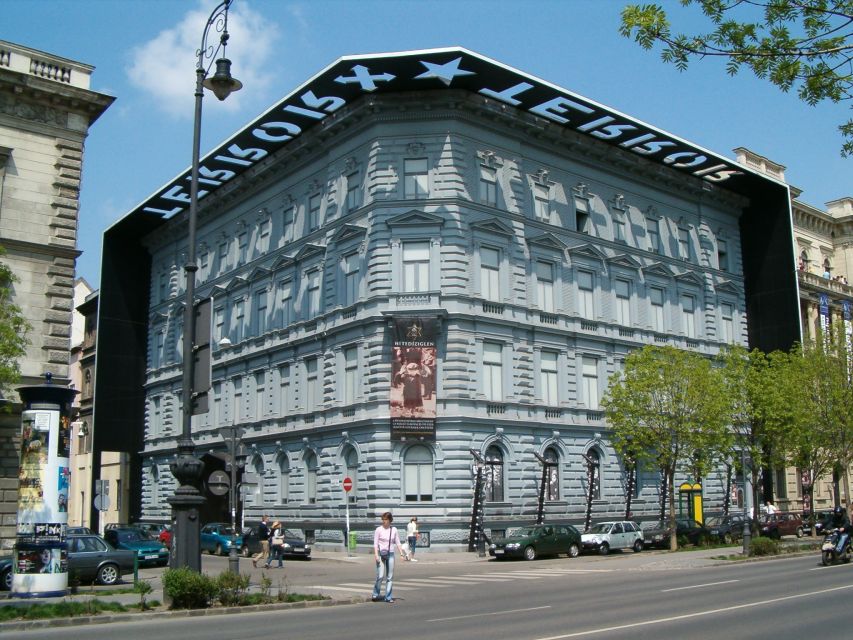
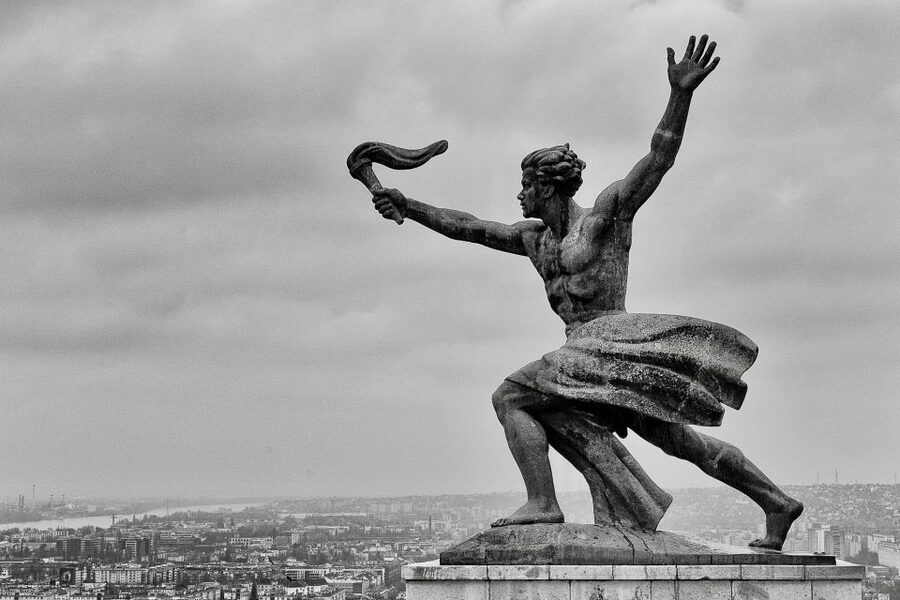
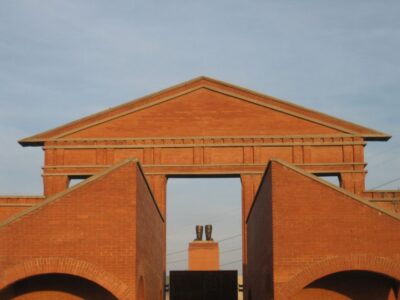
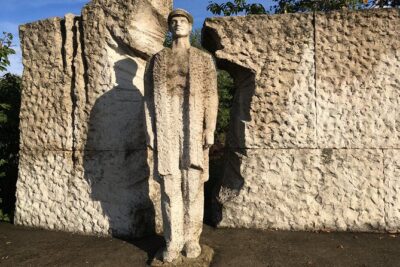
This experience is titled with House of Terror or Statue Park, which means the tour connects its discussion to a physical site linked to the memory of that era. Even with only the basics provided here, the logic is clear: lectures land better when you can point to something real.
In your case, you will have a guide who brings the message out into Budapest. After the start at Bambi Eszpresszó and the interactive presentation, you should expect to move toward the associated stop and the surrounding areas needed to connect the story to the city.
Here’s the value of that approach. When you see a place tied to the era, the contrast becomes easier to feel. You understand what the guide is saying with your eyes, not just your ears. And if you choose the option you are most curious about, you get a tour that matches your learning style.
A small reality check: since the exact route and site details are not listed here, keep your expectations flexible. The main promise you can count on is that the guide uses real locations to reinforce how everyday life under communism is understood today.
Other ways an evening in Budapest can go:





Private guides, Annamaria and Miklos, and why the tone matters
This tour is run by Annamaria and Miklos, and that is a big part of what makes it work. You’re not handed off to a rotating schedule where the experience is different every time. You get the benefit of a consistent guide voice and style, plus the ability to keep it interactive.
From the feedback I reviewed, a few things came up again and again: the guides pick you up, they communicate well, they know their topic, and they can tailor the experience to the group. The best compliment in that pattern is the mention of time for honest dialog. That is what transforms a lecture into a real exchange.
Also, the guide can adapt to the group’s interests and knowledge level. If you are newer to Hungary’s history, you’ll want the guide to slow down and explain key ideas. If you already know a bit, you’ll want opportunities to ask follow-up questions. This tour is set up so you are not stuck with one fixed script.
And it’s worth noting something practical: you’ll start with pickup from your accommodation in Budapest and then go together to the first stop. That reduces stress. You spend your energy on learning, not on figuring out transit at the beginning.
Public transportation in Budapest: a smart way to see more
Transportation is not included, but the tour is designed around moving through the city with your guide. One review specifically highlighted the chance to ride the public transportation system and see parts of Budapest you might otherwise miss.
So here is how I’d plan it: expect a mix of walking and transit during the three hours. That is good for value, because you cover more ground than a pure walking tour. It’s also good for realism. Budapest’s neighborhoods and street life make more sense when you use the actual local way of getting around.
Just budget for transit costs on your side, since transportation is listed as not included. If you’re the type who prefers to pay as you go, this should fit fine.
Most important: wear comfortable shoes. A tour that mixes transit and walking adds up fast, especially if you stop often for explanations and discussion.
Price and value: $282 per group up to 5
Let’s talk money honestly. The price is $282 per group up to 5, for a duration of three hours. That is not cheap on a per-person basis if you travel solo or as a duo. But it can turn into a very good deal when you bring a small group.
Here is the simple math you can use to decide:
- If you fill all five spots, it works out to about $56 per person.
- If you are only two people, it becomes about $141 per person.
Why that matters: you are paying for a private guide, pickup included, and an interactive presentation with printed materials plus notebooks and pens. Those pieces add up, especially if you want discussion time and tailoring.
Also, because it is private, you avoid the tradeoff that often comes with small-group tours. You don’t get stuck waiting for someone to catch up or deal with mismatched energy. You can ask questions, and the guide can adapt in real time.
If you’re traveling with friends or family, this is the kind of tour that can feel like a bargain compared with the price of separate museum tickets, taxis, and missed learning time.
What to bring, and how to dress without overthinking it
This tour is weather-dependent in the simple way that Budapest weather is weather-dependent. The main advice is straightforward:
- bring comfortable shoes
- wear weather-appropriate clothing
- wear comfortable clothes
Since the tour includes discussion and likely some movement between stops, you’ll want layers you can adjust. If you get cold easily, pack something light you can put on quickly. If you run hot, avoid bulky layers that make it hard to stay comfortable during transit.
Also, take advantage of the included writing supplies. The tour provides printed materials plus notebooks and pens, so you don’t need to bring your own unless you prefer a specific style of pen.
Who should book Life Under Communism in Budapest
This is a great fit if:
- you like history that focuses on everyday life, not just big political events
- you want a private, discussion-friendly format
- you appreciate a guide who can tailor the tour to your interests
- you want context for how communism still leaves remnants in Budapest today
It is also a good option if you are traveling in a small group and want your guide to manage logistics like pickup and the first stop.
You should think twice if:
- you have mobility impairments, since the tour is not suitable for that
- you want food included, because food and drinks are not included
- you expect a long museum-style walkthrough, since the core experience includes an interactive presentation and guided movement for about three hours
Should you book? My practical recommendation
I think this tour is worth booking if your goal is understanding the human side of communism. The combination of a conversational private guide, a start at Bambi Eszpresszó, and the specific focus on everyday life from the 1960s through the late 1980s is a rare mix of structure and flexibility.
If you do book, do it with the right mindset: come prepared to ask questions and listen for how the guide explains system versus daily life. The materials and note-taking tools are there for a reason.
If you are traveling solo, decide based on whether you will truly use the private format. The cost per person rises fast when the group is smaller. But if you are part of a group of two to five, it can feel like excellent value, especially with pickup included and the guide tailoring the tour.
FAQ
How long is the tour?
It lasts 3 hours.
How much does it cost and is it per person?
The price is $282 per group up to 5.
Is this a private tour?
Yes, it is listed as a private group.
Where does the tour start and do you get pickup?
The tour starts at Bambi Eszpresszó, and pickup is included. Your guide meets you at your accommodation in Budapest, then you go together to the first stop.
What languages are available?
The live tour guide is available in English, German, and French.
What is included, and is food provided?
You get an interactive, personal presentation with some printed materials, notebooks, and pens. Food and drinks are not included.
Is the tour suitable for people with mobility impairments?
No, it is not suitable for people with mobility impairments.
Newest from the Danube banks
- Gödöllö Royal Palace Privately with full board★ 5.0 · 1 review
- Private Budapest Tour with Thermal Bath or Market Visit★ 5.0 · 1 review
- Private Budapest walking tour – 4 hours★ 5.0 · 1 review
- Budapest Half Day Car Tour with Guide★ 5.0 · 1 review
- Budapest Private Transfer from Budapest city centre to Budapest Airport★ 3.0 · 1 review
- Magic Theme Team Adventure Game in the Streets of Budapest★ 5.0 · 1 review
- Budapest: Eat the Street, food tour with wine, 16+ tasting★ 5.0 · 1 review
- Private Transfer Budapest Airport BUD to Budapest by Car or Van★ 5.0 · 1 review
Communist-Era Tours, compared.
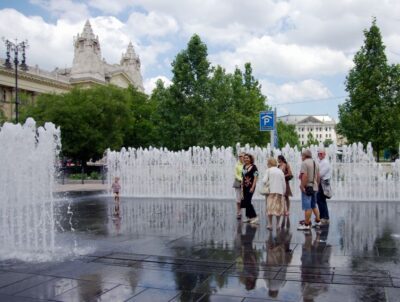
Budapest: Communist History Tour with House of Terror Option
Read our review →
Budapest: 3-Hour Walking Tour About Communism (Small Group)
Read our review →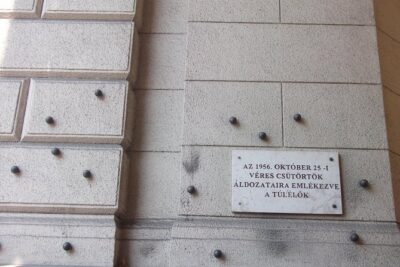
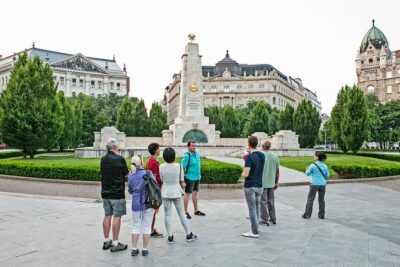
Budapest Hammer & Sickle Communist Times Tour
Read our review →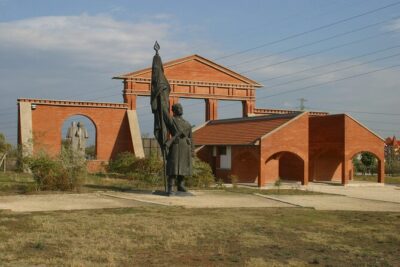
Memento Park Visit with Private Trabant Transfer
Read our review →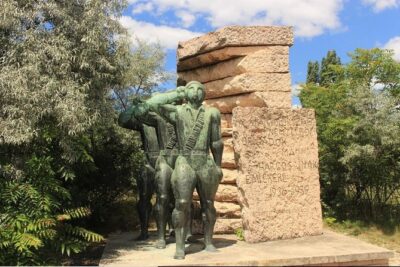
Browse the lists this tour appears in