
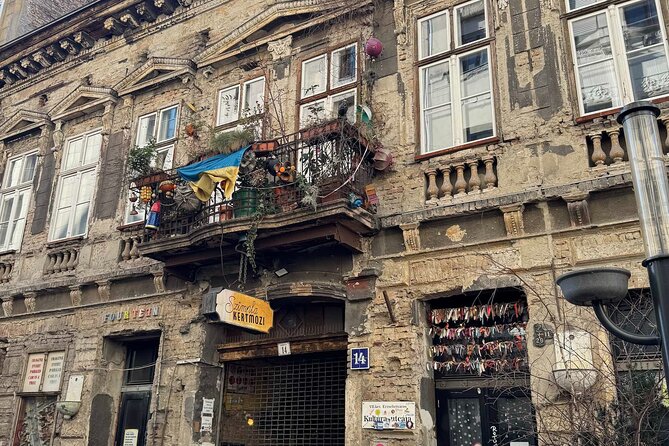
Reviewed · JEWISH DISTRICT TOURS
A Self-Guided Tour Through Budapest’s Jewish Quarter
District 7 gets personal fast, and it moves at your pace. This self-guided Budapest Jewish Quarter walk lets you point your phone and headphones toward famous synagogues, a fragment of the ghetto wall, and the daytime-to-night transformation of the area. I especially like the way the audio is framed by a local narrator, Vince (born and raised in Budapest), and the smart choices of stops that mix sacred sites with everyday street life. The only real catch is that the narration also pulls in wider culture stories, so if you want a purely synagogue-forward walk, this might feel a bit more mixed than you expect.
What helps most is that you can do it early, when it is cooler and the streets feel calmer, and it generally fits in about 1 hour 15 minutes to 1 hour 45 minutes. You also get value that goes beyond one try, since the tour includes offline access and lifetime playback. If you show up without charging your phone, though, GPS audio can become annoying, and you will need your own smartphone and headphones.
Key details that shape the experience
- Vince’s guided-by-a-local voice keeps the walk story-driven, not just a list of buildings.
- District 7 landmarks include Dohány Street Synagogue and Rumbach Street Synagogue, plus memorial stops tied to World War II and World War I.
- Memorial fragments and street scenes give you contrast, from solemn reminders to modern nightlife.
- Offline audio and maps mean you can keep listening even when your signal is spotty.
- End at Szimpla Kert so the tour naturally hands you a fun, central place to stop for a drink or snack.
- A shorter format helps if you want Jewish Quarter highlights without committing to a long guided session.
In This Review
- Getting Started at Budapest Operetta Theatre, then Ending at Szimpla Kert
- Vince on Audio: Local Storytelling with Houdini and Hollywood Names
- Dohány Street Synagogue: Europe’s Largest Synagogue and What to Focus On
- A Fragment of the Jewish Ghetto Wall: A Quick, Poignant Reality Check
- Gozsdu Passage and the Shift from Past to Present
- Rumbach Street Synagogue: From Neglect to Restoration
- Theodor Herzl Mini Statue and Heroes’ Temple: Two Different Kinds of Memory
- Kazinczy Street Synagogue and Orthodox Life in District 7
- Ruin Bars and Your Walk to Szimpla Kert: History Turned into Nightlife
- Timing, Walking Pace, and How to Beat the Heat
- Price and Value: Why $11.99 Often Beats a Full Guided Session
- Who Should Book This Self-Guided Budapest Jewish Quarter Walk
- Should You Book This Self-Guided Tour?
- FAQ
- How long is the Budapest Jewish Quarter self-guided tour?
- What does the tour cost?
- Where do I start and where does the tour end?
- What do I need to bring?
- Can I use the tour offline?
- Is this a GPS self-guided experience?
- Can I replay the tour after booking?
- Is the tour private?
- Is cancellation free?
- Are service animals allowed?
Getting Started at Budapest Operetta Theatre, then Ending at Szimpla Kert
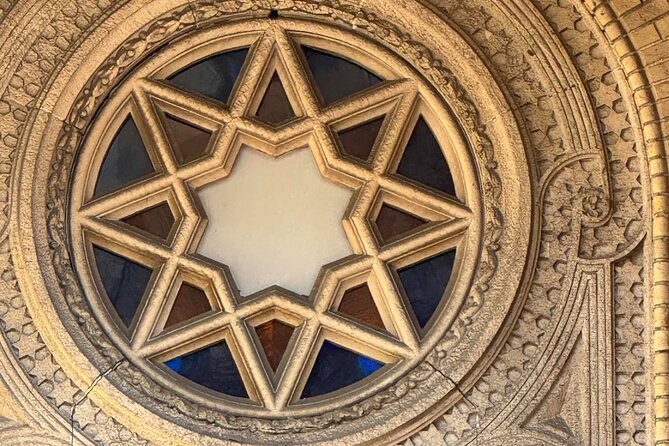
This is a self-guided GPS tour, so you start under your own steam. You begin at Budapest Operetta Theatre, Nagymező u. 17, 1065 Hungary, then you finish at Szimpla Kert, Kazinczy u. 14, 1075 Hungary. The walking loop is designed around staying on the move, but you control the pauses, photo stops, and whatever curiosity slows you down.
If you are used to group tours, the feel here is different in a good way. You can keep going when you feel like it, and you can stop when a facade, street plaque, or mural pulls your eye. The basic setup is also easy: bring your smartphone and headphones, and the tour provides directions so you know when you are at the right place.
The provider includes directions to the starting point, plus unlimited lifetime use of the tour, before and after your booking date. You can also use virtual playback, like an audiobook from anywhere, which is handy if you want to refresh the stories after your walk. Just note that the tour relies on your device, so a dead battery is your enemy.
Other walks through the old Jewish quarter:
- Budapest Jewish Heritage Memorial Walking Tour & Synagogue Entry
★ 5.0 · 568 reviews - Budapest: Jewish Heritage Guided Tour with Synagogue Ticket
★ 4.8 · 533 reviews - German tour in the Budapest city centre & the Jewish quarter
★ 5.0 · 359 reviews
Vince on Audio: Local Storytelling with Houdini and Hollywood Names
One reason this tour feels more than sightseeing is the narrator. Vince is described as part-time tour guide, history freak, and wine lover, and he is born and raised in Budapest. That local anchor matters, because the walk is full of “why this matters” moments, not just “what you are looking at.”
The audio also connects the neighborhood to surprising names: Harry Houdini, the King of England, Arnold Schwarzenegger, Brad Pitt, and Tony Curtis. You might not expect those names to show up in a Jewish Quarter walk, and that is exactly the point. It keeps the stories from feeling stuck in one era, even though the area’s World War II and World War I connections are not optional background.
Practically, you should expect the audio to guide your attention, telling you what to notice at each stop. If you like listening while walking, this format is smooth. If you prefer heavy on-the-ground interpretation and want someone to answer questions on the spot, you may miss that, because this is strictly self-guided.
Dohány Street Synagogue: Europe’s Largest Synagogue and What to Focus On
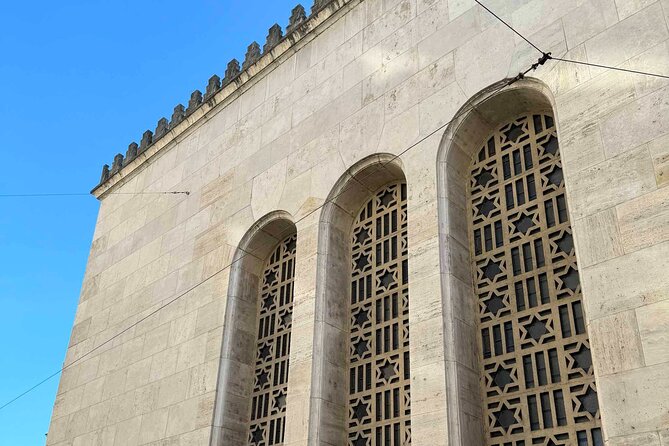
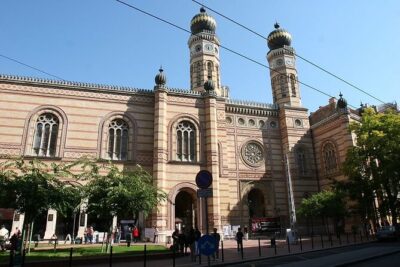
Your walk opens at Dohány Street Synagogue, billed as the largest synagogue in Europe. Even if you have seen impressive religious architecture before, this one hits because of scale and presence. From the start, the audio frames it as a center of Jewish life in Budapest, not just an attraction.
So what should you look for? I suggest you slow down and focus on the building’s exterior character first, then listen to the history context as you stand there. The audio’s job is to turn the facade into a story, so give it the chance. If you rush, you will miss the point of what makes it such a landmark for the community.
A drawback to watch for is that major sites can attract crowds, especially at peak hours. Because this tour is self-guided, you can solve that by timing your start early in the day. One of the best things from a past experience with this format is that people picked early morning on purpose to avoid the heat, and that shorter time window helps too.
A Fragment of the Jewish Ghetto Wall: A Quick, Poignant Reality Check
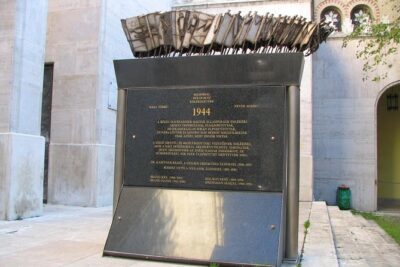
Next, you pass by a fragment of the Jewish ghetto wall. This is the kind of stop that does not ask for long lingering, but it carries weight. It is a reminder of Budapest’s tumultuous World War II era and the resilience of the Jewish community during that period.
This is where listening well matters. You do not need to stare at stones for a long time to absorb the meaning, but you do want to pay attention to what the audio says so it does not become a detached photo-op. If you feel overwhelmed, you can also step away for a minute, the self-guided setup makes that easy.
If you are coming in with expectations shaped by other famous ghetto-walks around Europe, your reaction might differ. The walk here is still meaningful, but it is paced alongside other stops, so it is not a long, uninterrupted history lecture. If you want that kind of depth in one place, you might consider adding a separate history-focused visit.
Gozsdu Passage and the Shift from Past to Present
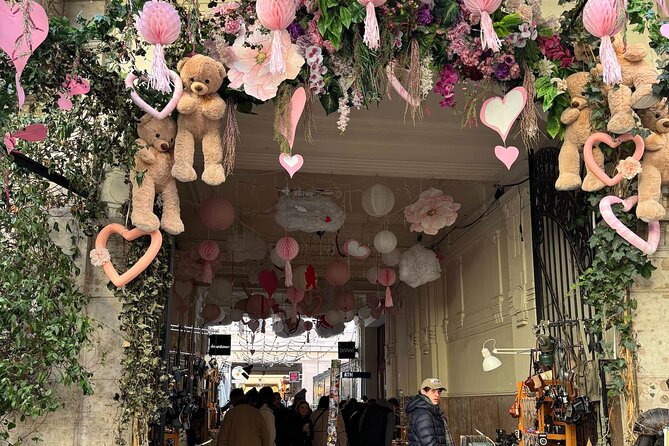
Then you move into Gozsdu Passage, described as a historic complex transformed into a modern hub of restaurants, bars, and shops. This is a smart contrast stop, because it helps you feel how District 7 functions now, after the heavy parts of the story.
What I like about this part is that it makes the Jewish Quarter feel lived in, not frozen. Even the way you walk through a passage like this changes your sense of the neighborhood. You are not just looking at landmarks from across the street, you are moving through space that is actively used.
A practical note: this area can be busy later in the day. If you want quieter photos and a more relaxed listen, plan your walk so you hit this portion earlier. Because the tour ends at the ruin bars, you can also let the energy rise naturally toward the finish.
Some other Danube days worth pricing up





Rumbach Street Synagogue: From Neglect to Restoration
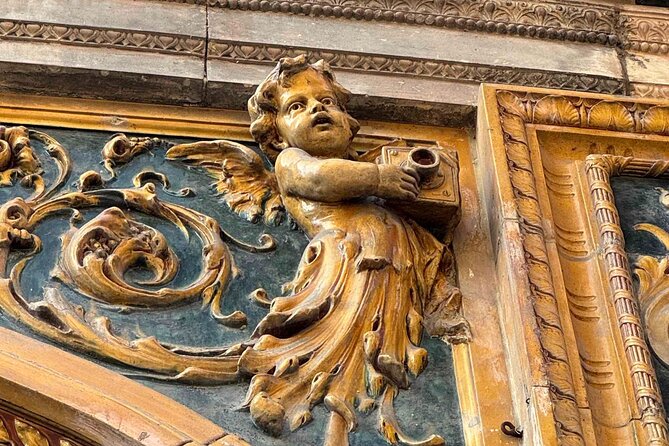
Rumbach Street Synagogue is presented as a lesser-known stop with a storied past, plus a focus on its journey from neglect to restoration. That theme matters because it is not only about what happened, it is about what survived and what was rebuilt.
Restoration stories can sometimes get overly sentimental, but the framing here is practical: it points out resilience. When you listen while you are near the building, you get a clearer sense of how community heritage does not simply sit in the past, it requires work in the present.
This stop can also help you understand why some parts of District 7 feel layered. You are seeing different layers of time in the same walking route, and the audio is built to connect those layers. If you like architecture and community history, you will probably enjoy the way the tour treats Rumbach Street Synagogue as part of a bigger pattern.
Theodor Herzl Mini Statue and Heroes’ Temple: Two Different Kinds of Memory
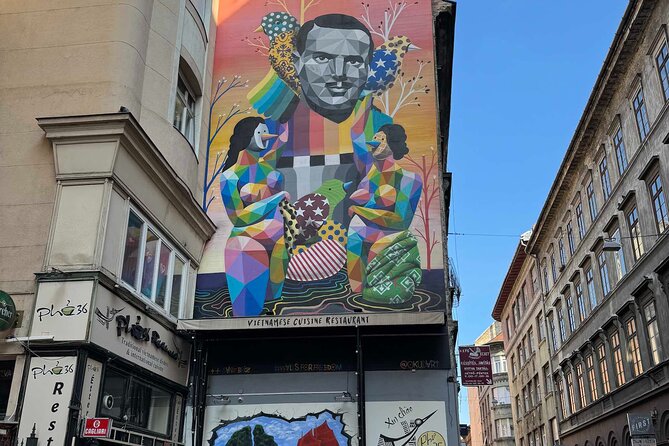
One of the more distinctive stops is the Mini Statue of Theodor Herzl, the founder of modern Zionism. Even though it is described as mini, it signals that this neighborhood is tied to ideas that traveled far beyond Budapest. The audio’s job is to connect the location to Herzl’s legacy and how it continued to inspire Jewish communities worldwide.
Then you reach the Heroes’ Temple, which honors Jewish soldiers who fought and died for Hungary during World War I. This is a different kind of remembrance than the ghetto wall fragment. Here, the focus is service, identity, and a painful loss tied directly to Hungarian history.
I like that the tour does not treat the community story as one note. It gives you a mix: persecution and survival in the World War II context, plus memory and belonging through World War I. If you want a Jewish Quarter walk that respects multiple time periods, this section does a good job setting that expectation.
Kazinczy Street Synagogue and Orthodox Life in District 7
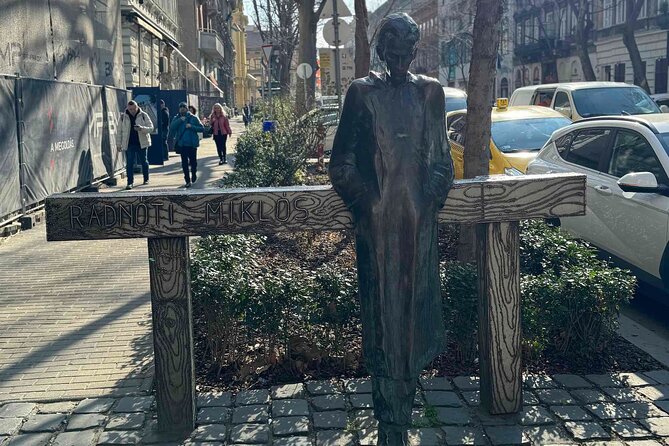
Kazinczy Street Synagogue is described as a vibrant center of Jewish life and culture in Budapest, with a specific focus on Orthodox traditions and customs. This is another “listen and look” moment, because synagogue architecture is one thing, but community practice is another.
What you might take away here is that District 7 has never been only about grand monuments. It is also about daily culture, customs, and how traditions carry forward. The audio’s emphasis on Orthodox community life helps you see the neighborhood as a working community, not just a museum circuit.
A consideration: this part can feel more culture-focused than some people expect from the phrase Jewish Quarter highlights. One past reaction to this tour style was that the neighborhood did not feel as purely Jewish-focused as in other places, with more attention to arts, culture, and composers. If you are the type who wants every stop to hit directly on synagogue history, you may want to keep that in mind before choosing a self-guided audio format like this.
Ruin Bars and Your Walk to Szimpla Kert: History Turned into Nightlife
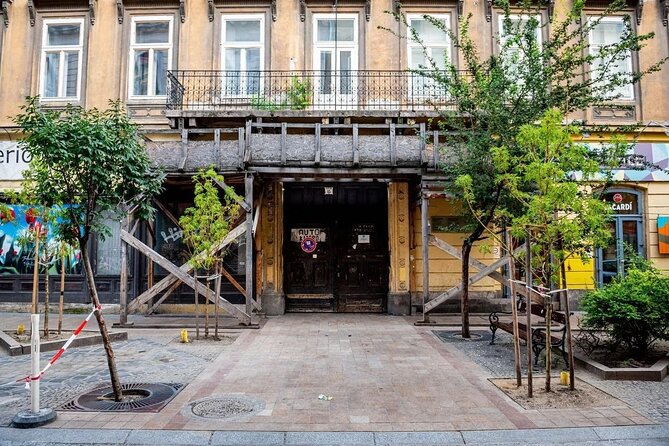
Budapest’s famous ruin bars show up late in the tour route, and the ending point is Szimpla Kert. The audio frames these bars as historic buildings transformed into eclectic nightlife venues, which is a very Budapest idea. It also works as a payoff, because you finish with a place that is easy to enjoy right away.
Szimpla Kert is positioned as the iconic ruin bar and the fitting end to your exploration. Even if you are not a nightlife person, it is still a useful landing spot. You get a central, recognizable stop where you can grab water, a snack, or just sit for a few minutes and review what you listened to.
Just be aware that ruin bars can get loud later in the evening. If you are doing the tour in a way that keeps things calm, I would plan your finish earlier. That way you can enjoy the atmosphere without having to compete with the music.
Timing, Walking Pace, and How to Beat the Heat
The duration is listed as about 1 hour 15 minutes to 1 hour 45 minutes. That range is realistic for a self-guided format with multiple stops where you need time to listen and look. It is also a big deal for value, because you can fit it into a tight itinerary.
From a practical standpoint, this is the kind of walk that works well in early hours. One reviewer specifically chose the self-guided option so they could do the walk early morning and avoid the heat, and the shorter length compared with many group tours helped. If you want the neighborhood at its easiest walking temperature, plan your start before midday.
The other timing tip is to keep your pauses small but frequent. Use the audio stop points, then take your photos, then keep moving. That stops the tour from turning into a random wandering day.
Price and Value: Why $11.99 Often Beats a Full Guided Session
At $11.99 per person, the price is quite low for a structured route that includes offline access to audio, maps, and geodata. The part that pushes the value up is lifetime use. You can reuse it later, which matters if you want to replay parts after you visit other sites or if you are traveling with friends and want to compare what you noticed.
Another value driver is flexibility. You get directions to the starting point, plus self-paced GPS guidance, so you are not forced to match someone else’s walking speed. For many people, that is the difference between a tour that feels like a chore and one that feels like your day.
Do not ignore the tradeoff, though. Because it is self-guided, you are doing the work of staying oriented and paying attention. If you prefer a live guide to correct misunderstandings or answer questions, this might feel less satisfying, even if the content is strong.
Who Should Book This Self-Guided Budapest Jewish Quarter Walk
This tour is a good fit if you want a District 7 walk with major anchors, a clear route, and audio that gives context as you go. If you like synagogues, memorial sites, and street culture, you are likely to enjoy the mix of stops from Dohány Street Synagogue to Szimpla Kert.
It is also a strong match for people who hate rigid schedules. The ability to listen at your pace, plus offline playback, makes it a handy option for hot days, busy days, and days when you want something structured but not controlling.
Where you might hesitate is if you expected the tour to focus mostly on the Jewish Quarter in the narrow sense, with more tightly focused synagogue and ghetto content. The audio also brings in broader cultural connections and the narrator’s framing includes names and stories tied to arts and film as well as history. If that sounds appealing, you are in the right place. If you want only one narrow angle, you may feel underfed.
Should You Book This Self-Guided Tour?
Yes, if you want a low-cost, on-your-own-walking way to connect District 7’s biggest landmarks with short, story-driven audio. The narrator Vince adds a Budapest-local feel, and the route covers the contrast you want, synagogues, a ghetto wall fragment, and the ruin-bar end at Szimpla Kert.
I would book it with one condition. Plan your timing so you are not rushing through stops, especially at Dohány Street Synagogue and the memorial points. If you do that, you will likely get much more out of the experience than a quick scan, and you will finish with a fun place to linger.
If you are someone who wants strict, uninterrupted historical immersion with a live guide, you may want to pair this with a more focused guided session. Think of this as a strong street-level sampler, not a single-stop replacement for every kind of history tour.
FAQ
How long is the Budapest Jewish Quarter self-guided tour?
It is listed at about 1 hour 15 minutes to 1 hour 45 minutes.
What does the tour cost?
The price is $11.99 per person.
Where do I start and where does the tour end?
You start at Budapest Operetta Theatre, Nagymező u. 17, 1065 Hungary, and you end at Szimpla Kert, Kazinczy u. 14, 1075 Hungary.
What do I need to bring?
You need your own smartphone and headphones.
Can I use the tour offline?
Yes. The tour includes offline access to audio, maps, and geodata.
Is this a GPS self-guided experience?
Yes, it is a self-guided GPS tour with flexibility to explore at your own pace.
Can I replay the tour after booking?
You get unlimited, lifetime use of the tour before your booking date and after it.
Is the tour private?
Yes. It is listed as a private tour/activity, with only your group participating.
Is cancellation free?
Yes. You can cancel for a full refund if you cancel up to 24 hours in advance.
Are service animals allowed?
Yes, service animals are allowed.
Newest from the Danube banks
- Gödöllö Royal Palace Privately with full board★ 5.0 · 1 review
- Private Budapest Tour with Thermal Bath or Market Visit★ 5.0 · 1 review
- Private Budapest walking tour – 4 hours★ 5.0 · 1 review
- Budapest Half Day Car Tour with Guide★ 5.0 · 1 review
- Budapest Private Transfer from Budapest city centre to Budapest Airport★ 3.0 · 1 review
- Magic Theme Team Adventure Game in the Streets of Budapest★ 5.0 · 1 review
- Budapest: Eat the Street, food tour with wine, 16+ tasting★ 5.0 · 1 review
- Private Transfer Budapest Airport BUD to Budapest by Car or Van★ 5.0 · 1 review
Jewish District Tours, compared.
Budapest Jewish Heritage Memorial Walking Tour & Synagogue Entry
Read our review →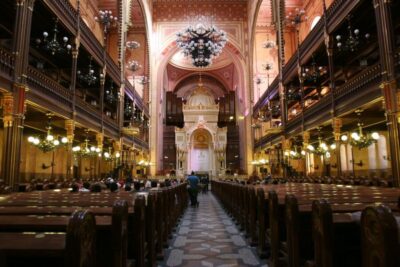
Budapest: Jewish Heritage Guided Tour with Synagogue Ticket
Read our review →
German tour in the Budapest city centre & the Jewish quarter
Read our review →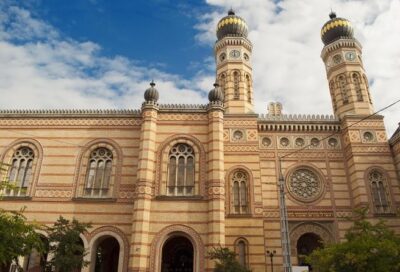
Past and Present of Budapest Jewish District Tour
Read our review →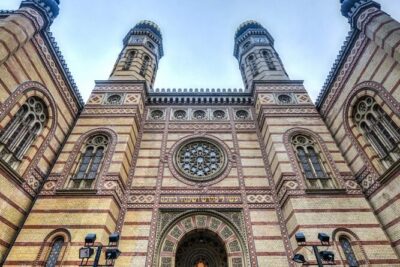
Budapest Dohany Synagogue & Hungarian Jewish Museum & free extras
Read our review →
Budapest: Jewish History Guided Walking Tour with Historian
Read our review →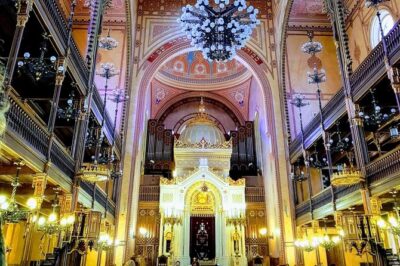
Budapest Dohany, Heroes’, Rumbach synagogues & Jewish Ghetto Tour
Read our review →Browse the lists this tour appears in