
Reviewed · JEWISH DISTRICT TOURS
Jewish Budapest (German-language city tour)
Budapest’s Jewish Quarter has layers you can see fast. This 90-minute German walk connects the synagogue façades with the people who built community life here, from the Gate at Madách tér to the Emanuel Tree Holocaust memorial.
I especially liked how the tour balances facts with everyday texture, including a stop for the classic Budapest Jewish dessert Flodni. The guide, Gábor Glasner, also keeps the pace light enough that you can ask questions instead of watching a slideshow on the move.
One thing to know up front: you won’t go inside the synagogues. If you’re hoping for interior visits and prayer-hall details, this is more about what the buildings and streets communicate from the outside.
In This Review
- Key highlights you’ll actually feel on the walk
- Starting at Madách tér, the Gate to the Jewish Quarter
- Rumbach Street Synagogue: how community splits show up in architecture
- Dohány Street Synagogue: the Holocaust memorial and the small cemetery stop
- Kazinczy Street area: conservative and Orthodox Jewish life, explained on the street
- Flodni and Jewish cuisine notes you can use next
- German-language experience with a guide who answers questions
- Is $23 per person good value for 90 minutes?
- Who should book this Jewish Budapest tour
- Should you book it?
- FAQ
- What language is the tour in?
- How long is the Jewish Budapest city tour?
- Where do I meet the guide?
- Is Flodni dessert included?
- Are the synagogues visited from the inside?
- Which synagogues are included on the route?
- How large is the group?
- Does the tour include digital guides?
- Is the tour wheelchair accessible?
- Is there free cancellation?
- Can I reserve without paying now?
Key highlights you’ll actually feel on the walk
- Three of Budapest’s largest synagogues, shown from the outside
- Emanuel Tree Holocaust memorial plus a small Jewish cemetery viewpoint
- A clear guide through different Jewish groups and how they shaped synagogue life
- Conservative and Orthodox traditions in plain language, including the mikvah concept
- Flodni dessert tasting and practical notes for Jewish cuisine
- Digital handouts with Jewish terms and food guidance you can revisit later
Other walks through the old Jewish quarter:
- Budapest Jewish Heritage Memorial Walking Tour & Synagogue Entry
★ 5.0 · 568 reviews - Budapest: Jewish Heritage Guided Tour with Synagogue Ticket
★ 4.8 · 533 reviews - German tour in the Budapest city centre & the Jewish quarter
★ 5.0 · 359 reviews
Starting at Madách tér, the Gate to the Jewish Quarter
Your tour begins at Madách Imre tér 1, but you’ll find the group behind the statue of Empress Elisabeth, Sisi. That meeting spot matters. It puts you at the edge of the Jewish Quarter story, not in the middle of it, so you start with orientation instead of guessing where you are.
From the start, expect your guide to frame the area as more than a scenic neighborhood. You’ll get the basic timeline of Budapest’s Jewish community and how that community became a visible part of the city. I like this approach because it helps you read what you see next. Without context, synagogue exteriors can look like impressive buildings. With context, you start noticing meaning, like how design choices reflect identity and community needs.
You’ll also hear the structure of the tour in a way that sets expectations: walking between three major synagogue sites, stopping for the Holocaust memorial moment, then ending with conservative and Orthodox Jewish institutions and customs. This is the kind of plan that keeps you moving, and at the same time it prevents the walk from feeling like one long history lecture.
The practical upside is time. At 1.5 hours, you’re not signing up for an all-day commitment. You can pair it with other Jewish Budapest sights later, or slot it in on a day when your feet need a focused, not-too-long plan.
Rumbach Street Synagogue: how community splits show up in architecture
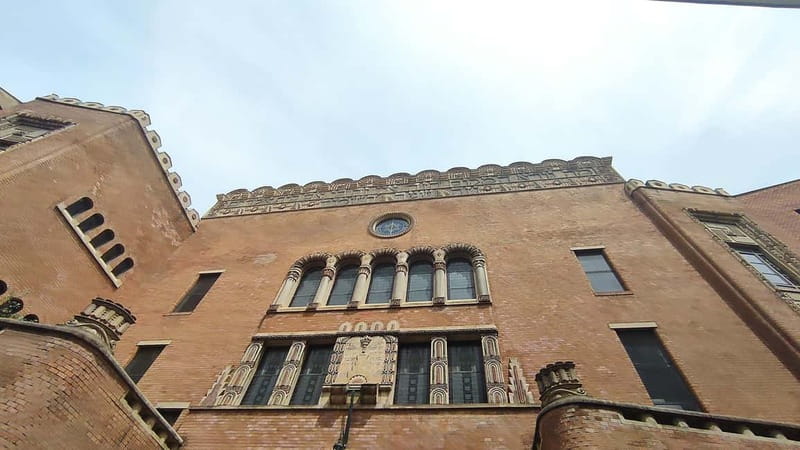
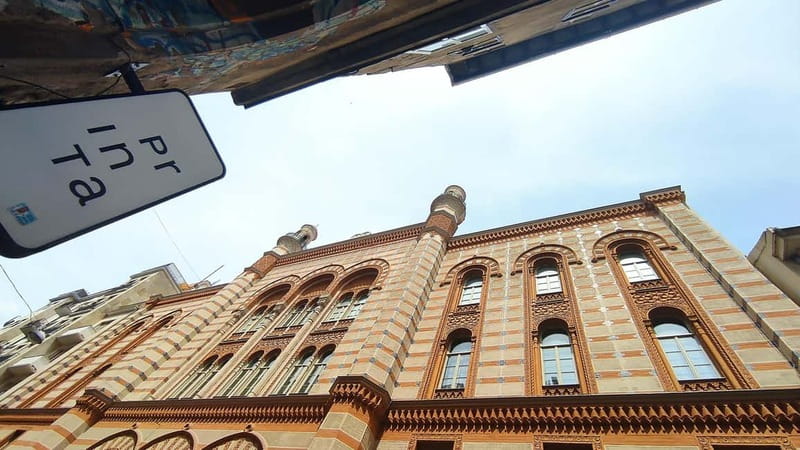
The first main walk takes you about 20 minutes to the Rumbach Synagogue. This is a smart early stop. You’re still fresh, and the guide can introduce one of the tour’s central ideas: Jewish life in Budapest wasn’t one single, uniform expression.
At Rumbach, you’ll talk about differences between Jewish groups and how those differences influenced synagogue-building styles. The key is that you’re not just admiring details. You’re learning how communities shaped space for worship, identity, and tradition. Even if you are not an architecture person, this framework helps you understand why synagogues can look distinct, not random.
Here’s what I’d watch for as you stand near the building: how the exterior communicates a particular community mindset. The tour is set up so you learn those interpretations as you go, rather than later. That means you can connect your own street-level impressions with what the guide explains.
Also, because the synagogues are not visited from the inside, the tour depends on a good exterior reading. That makes the guide’s explanation essential. And this tour’s feedback points consistently toward clear German and strong explanations, so you’re less likely to feel like you’re missing the “real” details.
If you enjoy asking questions, this is the part where you’ll likely benefit most. Architectural and community differences invite discussion, and the pace is designed so you can get answers instead of rushing past everything.
Dohány Street Synagogue: the Holocaust memorial and the small cemetery stop
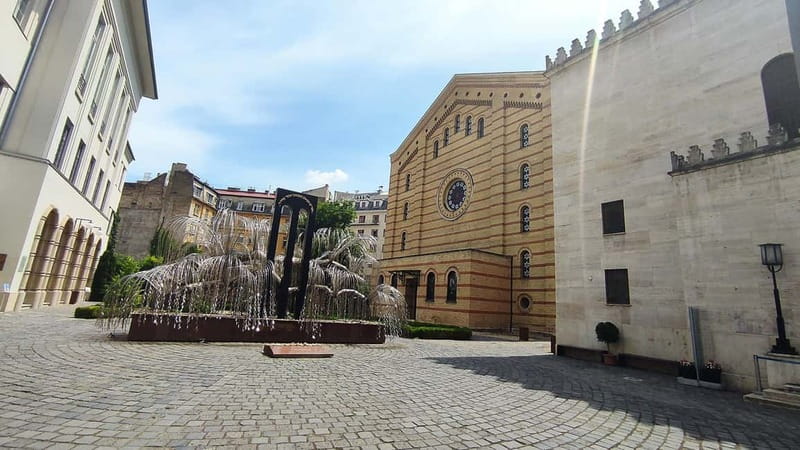
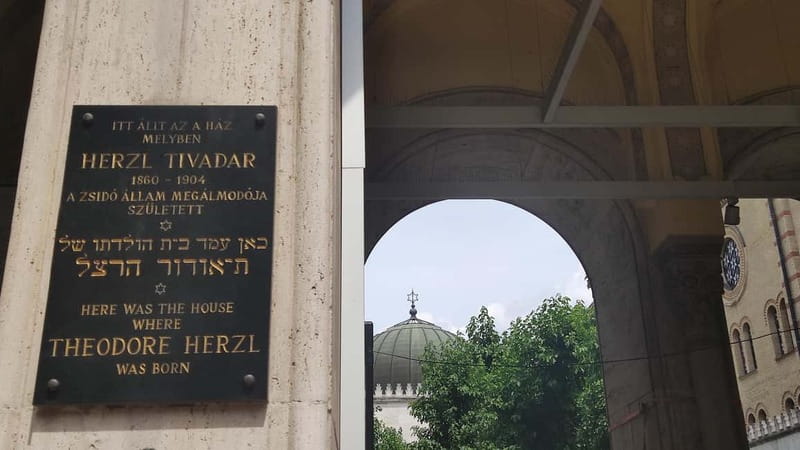
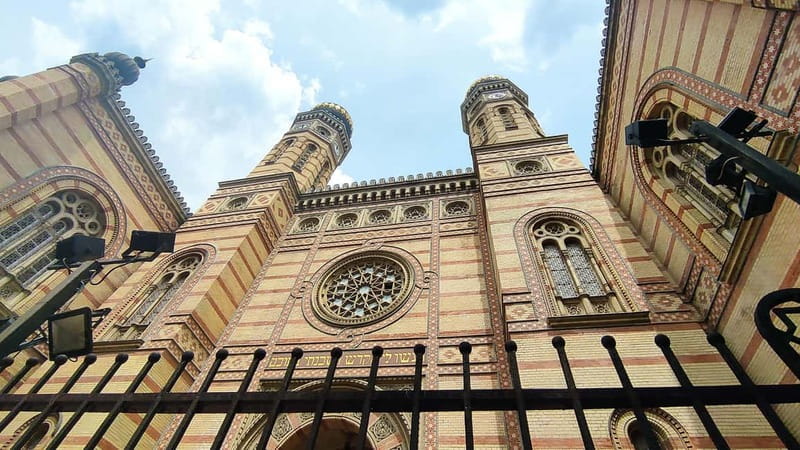
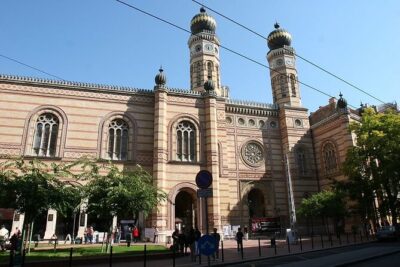
Next is another about 15 minutes to the Great (Dohány) Synagogue area. This stop is the emotional core of the tour, even though you’re still outside, looking at the buildings and nearby memorial sites.
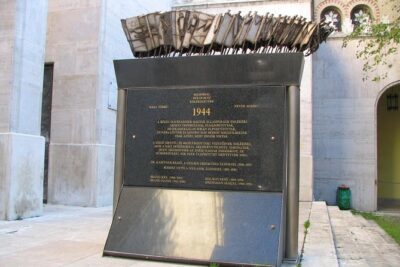
At Dohány, you’ll see a small Jewish cemetery and the Emanuel Tree, which functions as a Holocaust memorial. You’ll also learn about the Hungarian Holocaust and how the story affects Jewish life now in Budapest.
I appreciate that the tour doesn’t end at the past. You’re guided to connect history to the present situation of Jews in Budapest. That matters because it prevents the visit from turning into only grief. It keeps the narrative human and current, which is often what makes Holocaust-related tours feel meaningful rather than heavy for the sake of heavy.
Even without entering the synagogue, this segment gives you something you can carry forward visually. You understand why a memorial like the Emanuel Tree is placed where it is, and you understand why even small cemetery spaces matter. It changes how you walk away from the scene. You stop treating it like a landmark photo stop and start treating it like a place with memory and continuing community.
One practical note: because the tour’s focus is around memorials and cemeteries, come ready to slow down for a few moments. If you’re traveling with someone who wants only light sightseeing, this might feel like a tougher moment. But if you want context and a respectful guide through a real chapter of Hungarian Jewish history, this is the point where the tour justifies itself.
Kazinczy Street area: conservative and Orthodox Jewish life, explained on the street
From Dohány you continue, walking roughly 30 minutes to the Kazinczy Street Synagogue area. This final main portion shifts tone toward living traditions. The tour uses the geography to talk about how conservative and Orthodox Jewish life works in daily rhythm.
You’ll learn about conservative Jews and how their community institutions look in Budapest. The guide also introduces key concepts you might have heard about but never understood in a practical way, including the mikvah, the ritual bath, and what it represents in tradition. You’ll also hear about the Orthodox synagogue presence, kosher restaurants, and other institutions connected to community life.
This part is valuable because it moves you from buildings-as-history to buildings-as-living context. Instead of only asking what happened, you get a sense of how customs and traditions continue, and how that shows up in the neighborhood today.
It also helps to know that the tour is not trying to make you an expert. It’s aiming to get you conversationally informed. The digital extras included with the tour, like the guide to Jewish terms, are there for that reason. If something sounds unfamiliar during the walk, you can likely look it up later in the terms guide.
At the end, the tour finishes at Budapest, Kazinczy u. 27, 1075 Magyarország. That ending location is convenient for continuing your exploring on your own, especially if you want to wander the Jewish Quarter streets afterward without feeling lost.
Other circuits taking both banks in one go:



Flodni and Jewish cuisine notes you can use next
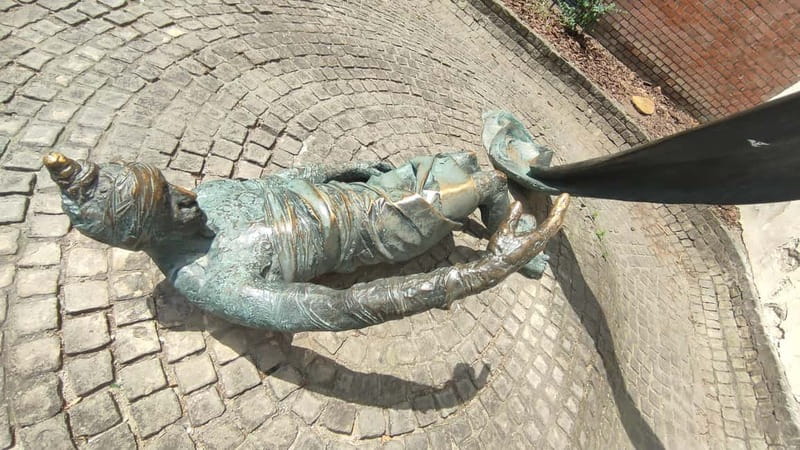
Food has a way of making history feel less abstract. You get that here through a tasting of Flodni, a typical Jewish dessert associated with Budapest’s Jewish communities.
I like dessert tastings on tours when they do one thing well: they connect a specific place to a specific habit. Flodni does that. You’re not just eating something sweet and forgetting it. You also get guidance from your guide on Jewish cuisine and eating habits, supported by a digital guide on the subject.
What should you do with that information? Use it immediately. After the walk, you’ll have a better sense of what to look for when you see Jewish-style sweets and dishes in the area. You’ll know enough to choose with confidence instead of ordering randomly.
And you’ll also be more comfortable asking questions if you meet locals or staff at food spots. That is a small payoff, but it builds travel confidence.
The dessert moment is also a useful break in a 1.5-hour schedule. You’re walking between sites, hearing about synagogues, and absorbing heavy historical context. The food stop gives your brain a breather, without turning the tour into a commercial food crawl.
German-language experience with a guide who answers questions
This is a German-language tour, and the experience is designed for real conversation, not just one-way storytelling. Group size stays limited, with a maximum of 25 people, and the format supports questions along the way.
I found that matters. Jewish Quarter tours can become either too rushed or too lecture-like. Here, the structure keeps you moving between three major synagogue locations while still leaving space for interaction. One verified booking highlighted how the guide had excellent German and was open to questions, including a small-group vibe that felt almost like a private walk.
Another plus is that the guide works with visible tour guide ID. That sounds minor, but it saves stress at the meeting point behind Sisi, especially in busy Budapest street corners.
Also, because some content may be shown in its original language, expect that not everything will be simplified into German-only shorthand. That’s normal for a tour dealing with terms and traditions. The included digital guides for Jewish terms and cuisine help you follow along and catch up later if you missed a detail.
If you don’t speak German well, this tour won’t magically become bilingual. But if you can handle spoken German, you’ll likely get much more out of the explanations, especially around community differences and customs.
Is $23 per person good value for 90 minutes?
For $23 per person, you’re paying for a focused structure: multiple major synagogue exteriors, a memorial stop, explanation of community splits, and a dessert tasting. You’re also getting digital materials, which extends the value beyond the walking time.
Where this tour feels like good value is in what it tries to cover in a short window. Three prominent synagogue sites in a single circuit plus a Holocaust memorial connection plus tradition and food context is a lot for a 1.5-hour time slot. Many tours either focus only on buildings, or only on history, or only on one topic like memorials. This one stitches those pieces together.
The only real “cost consideration” is what is not included. Entrance fees are not included because the synagogues are not visited from the inside during the tour. So you should think of this as an exterior walk with expert interpretation, not a ticketed synagogue interior tour.
If your travel priority is understanding what you are looking at, and you want a guided narrative without committing to longer hours or extra entrances, $23 is a fair deal. If your priority is interior access, you may want to budget for separate synagogue visits.
Who should book this Jewish Budapest tour
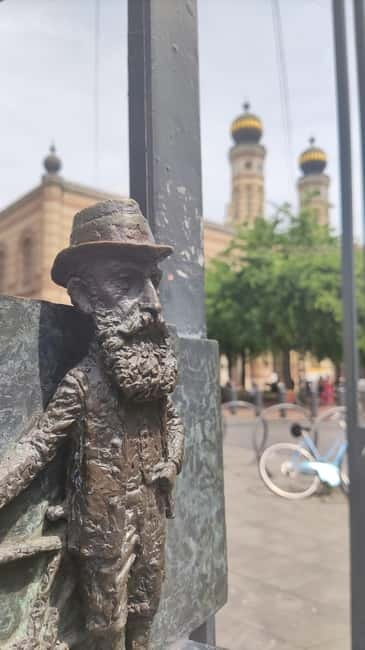
I’d book this if you want a practical, guided way to understand Budapest’s Jewish Quarter without overplanning. It’s ideal for visitors who:
- Want historical context and present-day community insight in a single circuit
- Prefer short guided walks with a clear stop sequence
- Like food tastings that connect to culture, not just sweets
- Speak German or feel comfortable in German-language tours
It may not be the best match if:
- You need indoor synagogue entry as part of your experience
- You strongly prefer very light sightseeing with no Holocaust memorial context
Should you book it?
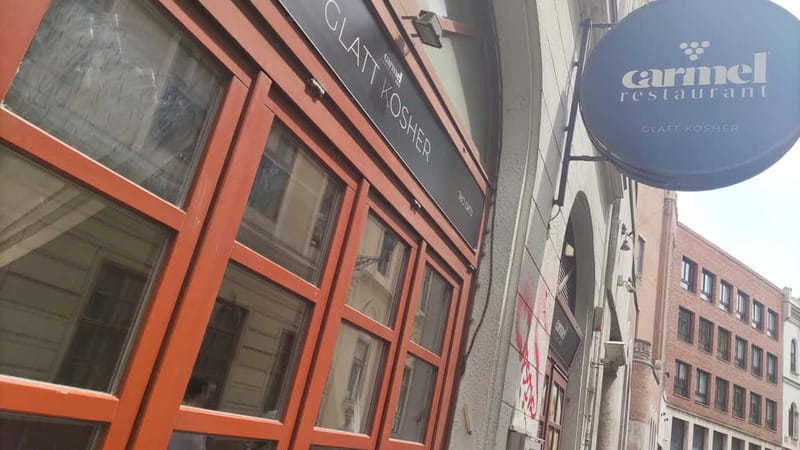
Yes, if your goal is to walk Budapest’s Jewish Quarter with strong interpretation, not just photos. The combination of three major synagogue exteriors, the Emanuel Tree Holocaust memorial viewpoint, and Flodni dessert makes this tour feel like a well-shaped story arc in just 90 minutes. The limited group size and the guide’s clear German explanations add real comfort, so you can ask questions and not feel rushed.
If you want interior access to the synagogues, plan that separately. But for most people, this is a solid first step that helps you understand what you will see on your own afterward, and it gives you the cultural and historical hooks that make the streets make sense.
FAQ
What language is the tour in?
The tour is conducted in German.
How long is the Jewish Budapest city tour?
It lasts about 1.5 hours.
Where do I meet the guide?
You meet behind the statue of Empress Elisabeth (Sisi). The guide wears an ID visibly around their neck.
Is Flodni dessert included?
Yes. A Jewish dessert called Flodni is included.
Are the synagogues visited from the inside?
No. The tour does not include entering the synagogues. You see them from the outside.
Which synagogues are included on the route?
You’ll cover three large synagogue sites: the Rumbach Synagogue, the Great (Dohány) Synagogue, and the Kazinczy Street Synagogue area.
How large is the group?
The group is small or medium-sized, with a maximum of 25 people.
Does the tour include digital guides?
Yes. You get a digital guide to Jewish cuisine and a digital guide to Jewish terms.
Is the tour wheelchair accessible?
Yes, it is listed as wheelchair accessible.
Is there free cancellation?
Yes, you can cancel up to 24 hours in advance for a full refund.
Can I reserve without paying now?
Yes. The option to reserve now and pay later is offered.
Newest from the Danube banks
- Gödöllö Royal Palace Privately with full board★ 5.0 · 1 review
- Private Budapest Tour with Thermal Bath or Market Visit★ 5.0 · 1 review
- Private Budapest walking tour – 4 hours★ 5.0 · 1 review
- Budapest Half Day Car Tour with Guide★ 5.0 · 1 review
- Budapest Private Transfer from Budapest city centre to Budapest Airport★ 3.0 · 1 review
- Magic Theme Team Adventure Game in the Streets of Budapest★ 5.0 · 1 review
- Budapest: Eat the Street, food tour with wine, 16+ tasting★ 5.0 · 1 review
- Private Transfer Budapest Airport BUD to Budapest by Car or Van★ 5.0 · 1 review
Jewish District Tours, compared.
Budapest Jewish Heritage Memorial Walking Tour & Synagogue Entry
Read our review →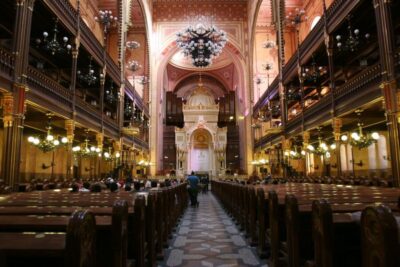
Budapest: Jewish Heritage Guided Tour with Synagogue Ticket
Read our review →
German tour in the Budapest city centre & the Jewish quarter
Read our review →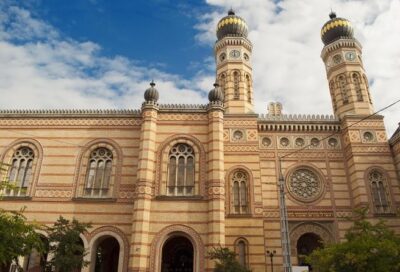
Past and Present of Budapest Jewish District Tour
Read our review →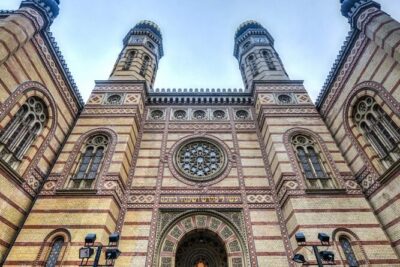
Budapest Dohany Synagogue & Hungarian Jewish Museum & free extras
Read our review →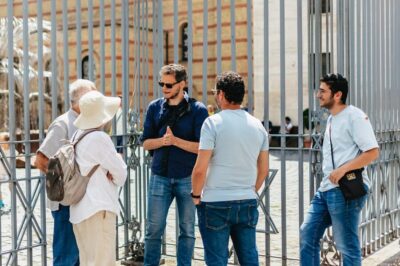
Budapest: Jewish History Guided Walking Tour with Historian
Read our review →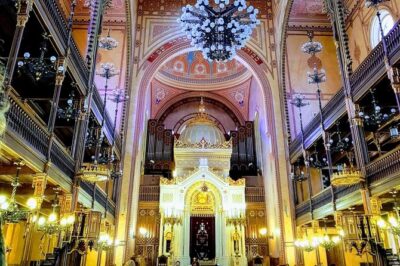
Budapest Dohany, Heroes’, Rumbach synagogues & Jewish Ghetto Tour
Read our review →Browse the lists this tour appears in