
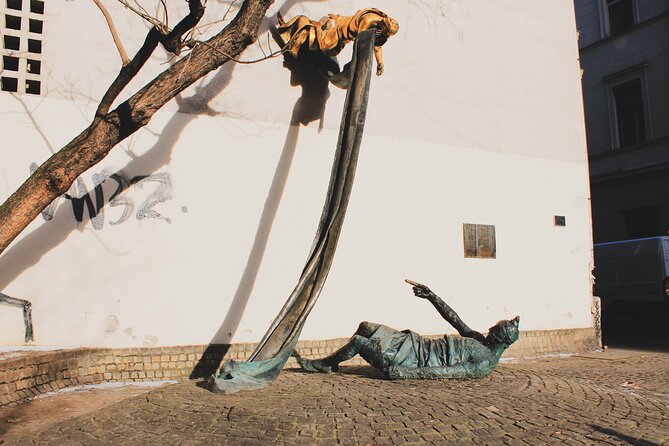
Reviewed · JEWISH DISTRICT TOURS
Private Jewish Heritage Tour of Budapest with Local Expert
Budapest tells its Jewish story in stone and pastry. This private 2.5-hour walk from Herzl Square through major synagogue stops and WWII ghetto 1944 landmarks ends with a Flódni tasting at Fröhlich Patisserie. I like how the route stitches together sacred spaces and survival stories without turning it into a lecture. A possible drawback is that most stops are timed tightly, so you get highlights, not long time inside any one building.
When the guiding is good, it really shows. The name Miklos pops up in strong feedback for being on time, clear, and good at giving you a lot without rushing you through your limited time. You’ll also get practical support: a notebook and souvenir pen, visual handouts, and coffee or tea to keep you going between stops.
In This Review
- Key things to look for on this tour
- A private 2.5-hour loop through Budapest’s Jewish Quarter
- Herzl Square, the Jewish Quarter, and the 1944 ghetto thread
- Dohány Street Synagogue, the big European landmark stop
- Rumbach and Kazinczy: architecture that carries identity
- Carl Lutz Memorial: the human stories behind the names
- Erzsébetváros and the former ghetto streets you can actually walk
- Fröhlich Patisserie treats: Flódni and the stop that makes you smile
- Kazinczy’s street energy, plus a photo moment at Castle Garden
- What I’d plan for: walking pace, comfort, and timing
- Is it worth $220? The value math for a private heritage tour
- Should you book this Jewish heritage tour in Budapest?
- FAQ
- How long is the Private Jewish Heritage Tour of Budapest?
- What does the tour cost per person?
- Is this tour private?
- Is pickup included?
- Which food is included?
- Are entrance tickets included?
- Do I get a mobile ticket?
- Is there free cancellation?
- Is the tour easy to reach using public transportation?
Key things to look for on this tour
- Herzl Square to the Great Synagogue area, plus guided walking context in the Jewish Quarter
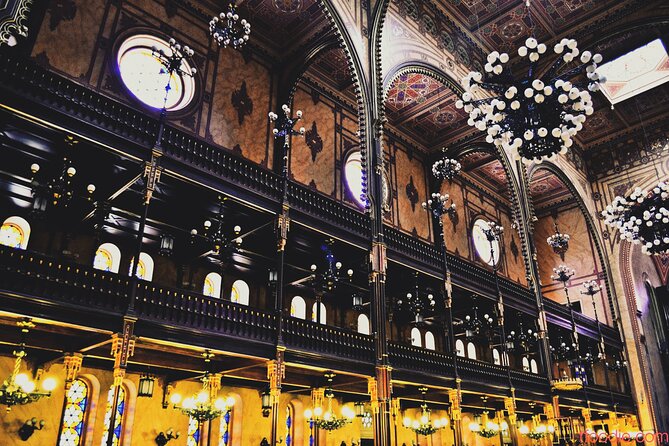
- Dohány Street Synagogue vicinity, described as the largest in Europe and second largest in the world
- Small but meaningful stops, like the Carl Lutz Memorial and Castle Garden ritual baths photo moment
- Architecture spotting, from Moorish styling at Rumbach Street to Art Nouveau at Kazinczy Street
- Food you’ll actually remember, including Flódni at Fröhlich Patisserie
- Local nightlife tips, tied to the Kazinczy area and beer ruin culture
Other walks through the old Jewish quarter:
- Budapest Jewish Heritage Memorial Walking Tour & Synagogue Entry
★ 5.0 · 568 reviews - Budapest: Jewish Heritage Guided Tour with Synagogue Ticket
★ 4.8 · 533 reviews - German tour in the Budapest city centre & the Jewish quarter
★ 5.0 · 359 reviews
A private 2.5-hour loop through Budapest’s Jewish Quarter
This is a private walking tour in Budapest that runs about 2 hours 30 minutes. For $220 per person, you are paying for a local guide, a focused route, and the kind of storytelling that helps you connect sites that would otherwise feel like disconnected landmarks. If you like walking but also want structure, this format is a nice middle ground.
You’ll have the comfort of being with only your group, not a big herd. The tour also mentions pickup is offered and that it’s near public transportation, which helps if you do not want to plan a complex meetup. It runs at multiple start times, and you can use a mobile ticket.
One more practical plus: the tour supplies small extras for learning, a notebook and souvenir pen, and visual handouts. That matters. Jewish heritage in Budapest spans centuries, and a few well-placed visuals can make the geography and timeline click faster.
Herzl Square, the Jewish Quarter, and the 1944 ghetto thread
The tour begins in the Jewish Quarter area, with Herzl Square and the Great Synagogue set up as your first anchor point. From there, you get a guided walk through the district that’s been a core Jewish neighborhood for over 200 years. The guide frames the area as the cultural engine of the city’s Jewish community, and it helps you start noticing patterns as you move.
Then the tour shifts into WWII context, with major city landmarks connected to the World War II ghetto of 1944. Even if you are not a history nerd, you’ll likely appreciate how the guide uses the street layout and nearby landmarks to explain what happened, rather than relying only on dates. In a city like Budapest, where buildings and streets remain in place, this kind of grounding can make the story feel real.
This stop also includes the food moment that sets the tone: Flódni at Fröhlich Patisserie. Flódni is one of those Hungarian Jewish desserts that is simple on paper, but unforgettable in practice once you taste it. I like that they do the food early. It turns the tour from information into a lived experience, and it keeps you energized for the next synagogue buildings.
Dohány Street Synagogue, the big European landmark stop
The main event arrives next with the vicinity of Dohány Street Synagogue. The tour positions it as the largest synagogue in Europe and the second largest in the world. Even if your time inside is limited or you mostly view the area around it, the scale tends to land fast. Budapest’s streets can look calm and ordinary, and then suddenly you are facing a site built to endure.
What makes this stop more than sightseeing is the guide’s focus on what you are looking at and why it mattered. You’ll get story context tied to the larger Budapest Jewish landscape, not just facts about size. For many first-time visitors, this is where the tour turns from interesting to meaningful.
A good tip for you here: take a moment to pause and look around, not just up at the building. The surrounding streets and layout are part of the story, and your guide will usually point out the connections as you move.
Rumbach and Kazinczy: architecture that carries identity
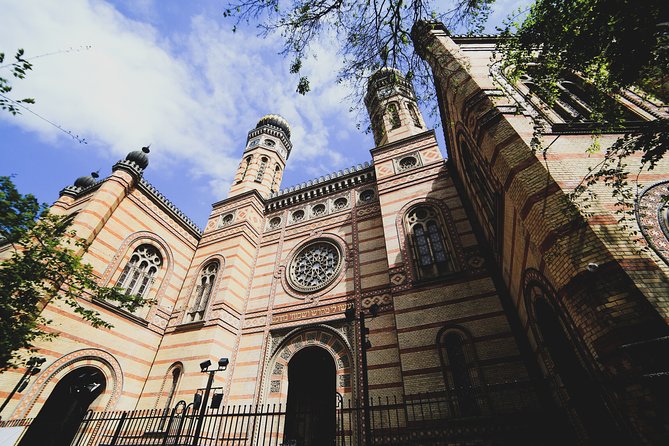
Next comes a shift from grand scale to detail. At Rumbach Street Synagogue, you get a quick look at the interior decoration and how the lighting makes the design feel almost graceful. The tour describes the Moorish styling at Rumbach Sebestyén utca Synagogue, and that matters because it helps you see how Jewish communities expressed identity through art and architecture, not just ritual.
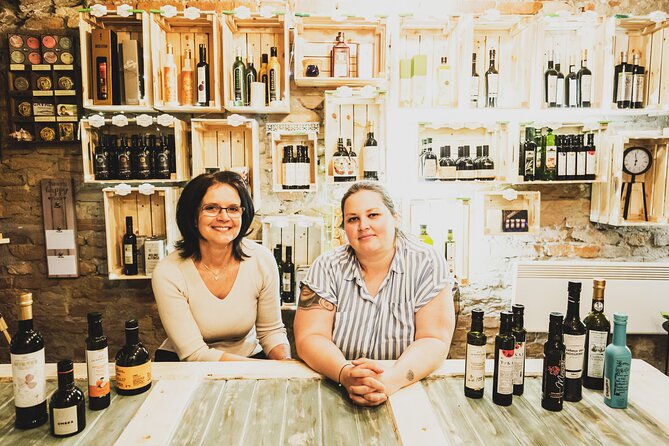
After that, you’ll head toward Kazinczy Street, where the atmosphere feels different. This area is linked to the historic Kazinczy district, which the tour describes as having been known for a lively Jewish market in earlier days. Today it can feel more like a cozy corridor of restaurants and wine-cellar vibes, with kosher wine of high quality mentioned as part of the experience.
Kazinczy Street is also where you’ll get a synagogue stop at a functioning Orthodox synagogue built in Art Nouveau style. That’s a cool contrast, because Budapest does not only do Baroque churches and grand palaces. It also has Jewish religious architecture in a style associated with turn-of-the-century art. It’s the kind of detail that makes you feel like you are seeing the city with fresh eyes.
One more nice touch here: the guide shares local tips about beer ruins and nightlife. These are the famous ruin bars in Budapest, and they often sit near these older neighborhood streets. If you want a night plan that actually matches the history you learned in the morning or afternoon, this is where the tour helps.
Other centuries stacked along the Danube:



Carl Lutz Memorial: the human stories behind the names
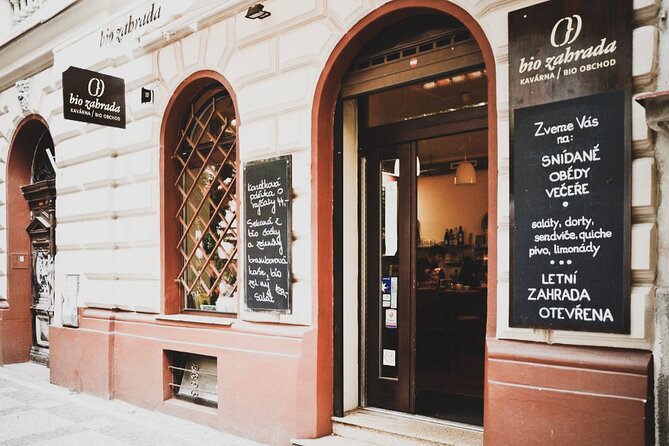
Stop by the Carl Lutz Memorial, dedicated to Carl Lutz, described as the Hungarian Schindler. Even if you know the broad outline of WWII rescue stories, this stop can add a personal layer because it focuses on one individual connected to saving lives.
What I like about a memorial like this is how it changes your pacing. After walking through synagogues and architectural landmarks, you get a slower, more reflective moment. Your guide should help you connect the memorial’s meaning to what you learned earlier about the ghetto period.
If you are the kind of traveler who prefers action, stories, and names over big abstract speeches, you’ll likely appreciate this stop. It gives the tour a moral center.
Erzsébetváros and the former ghetto streets you can actually walk
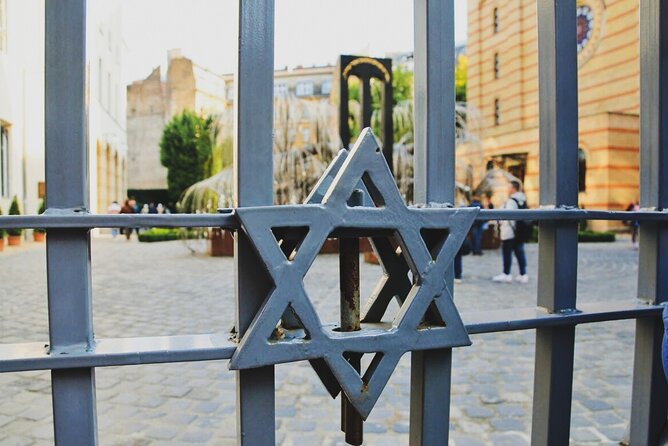
The tour then moves into Erzsébetváros, often described as a “city within a city,” with the historic Jewish quarter and the former ghetto at its heart. The framing is practical: Budapest has many synagogues and Jewish sites, but the central neighborhood is where the story clusters.
You get another walking segment through the Jewish Quarter, with focus on streets tied to the former ghetto, plus monuments, kosher restaurants, and kosher shops you can spot. The point here is not just to see a few buildings, but to understand that daily life, community, and faith happened in the same area where persecution also struck.
This part is also where the guide’s local knowledge can really help you. They can point out what you should notice as you pass, so you do not just look at storefronts. You learn to read the streets.
Fröhlich Patisserie treats: Flódni and the stop that makes you smile
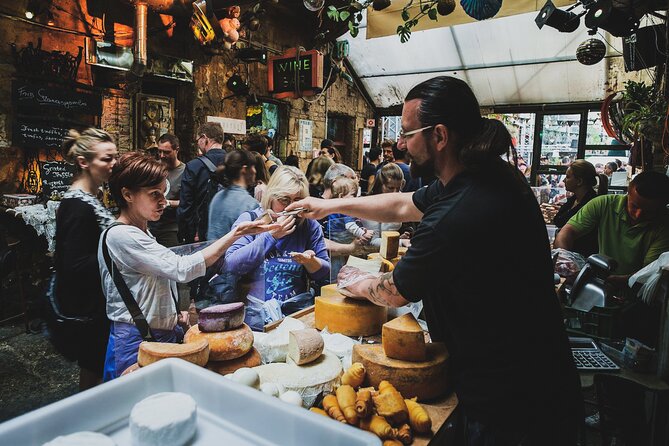
Food is a serious part of how people remember a city. This tour’s food stop is at Fröhlich Confectioner’s, with special emphasis on Flódni. You’ll get Flódni at the Fröchlich Patisserie stop earlier, and later you check out the shop again on Dob Street and the Kazinczy area.
At Dob Street, the tour specifically calls out other pastries you can find there, including chanukkai donut and Purim Haman’s ears, plus additional Jewish delicacies. The tour data says food and drinks are not included beyond the specified items, so treat these other goodies as things you might want to buy if you are hungry and want to extend the tasting. But even if you only do the included Flódni, this food break works because it is tied directly to Jewish culinary tradition.
Small practical note: if you are sensitive to sweet pastries, take it slow. Flódni is filling, and Budapest walking can add up faster than you expect.
Kazinczy’s street energy, plus a photo moment at Castle Garden
You get one more look at the Kazinczy area, where the tour describes it as a central street with a historic market feel. It’s also described as resembling a wine cellar setting, with kosher wine. Even if you do not stop for a drink, the guide’s storytelling can help you understand why this area has such an ongoing food and community identity.
Then comes Castle Garden, described as having the oldest traditional Jewish baths used for ritual purposes. The tour positions it as a photo opportunity, so expect a quick stop rather than a long museum visit. Still, it is a powerful detail to end on, because it shows how Jewish life included ritual bathing as part of everyday religious practice.
And after that, you are finished. A route that concentrates on big landmarks, then religion and ritual, then food, gives you a balanced emotional arc, not just a list of stops.
What I’d plan for: walking pace, comfort, and timing
This is a walking tour with moderate physical fitness recommended. Stop times are short, generally around 10 to 20 minutes each, so you will want to move with purpose. The upside is you get variety without spending your whole day standing still.
Here’s how to get the best experience:
- Wear comfortable shoes. You will be on the move across the Jewish Quarter.
- Bring a light layer. Even in pleasant weather, you can feel cool in shaded streets.
- Have your camera ready, but do not rush every photo. Some of the moments, like memorials and synagogue exteriors, work better when you pause.
Also note the tour mentions coffee and/or tea is included. That’s a good recovery tool if you pace your snacks and want to keep energy steady for the later stops.
Is it worth $220? The value math for a private heritage tour
Let’s talk value honestly. At $220 per person for a private tour, you are not shopping budget. You are paying for:
- A tailored guide experience, since it’s only your group
- A route that touches major sites, including WWII ghetto 1944 landmarks and memorials
- Time-structured learning, not random wandering
- Added extras like notebook, souvenir pen, visual handouts, and coffee or tea
- A food tasting that gives the stories a sensory anchor
If you are a couple, friends, or a small family group, private tours often start to make sense because you avoid waiting and you can ask your own questions. If you are traveling solo, the price can feel heavy, but it may still be worth it if you want a focused heritage route with a guide who can answer questions on the spot.
One logistical consideration: the average booking window is listed as about 36 days in advance. That suggests this tour can fill, so if you want a specific start time, plan ahead.
And one more practical reality: a private guide tour depends on the guide being able to work. In an unfortunate case, a guide fell sick and the tour was canceled with a refund. That is a reminder to keep your schedule flexible and not book this as your only timed activity on a critical day.
Should you book this Jewish heritage tour in Budapest?
I’d book this if you want:
- A private, structured Jewish heritage route
- Stops that mix architecture, WWII context, and ritual life
- A guide experience that keeps you informed without dragging the day out
- A real food payoff with Flódni at Fröhlich Patisserie
I would pause if you prefer long inside visits or deep museum-style pacing. The stop durations are short, so you are collecting highlights and understanding the links, not living in one building for an hour.
If you like to connect what you eat and what you see, and you want a guided walk that helps you read the streets, this tour is a smart way to spend part of your time in Budapest.
FAQ
How long is the Private Jewish Heritage Tour of Budapest?
The tour lasts about 2 hours 30 minutes.
What does the tour cost per person?
The price is $220.00 per person.
Is this tour private?
Yes. It is a private tour or activity, and only your group will participate.
Is pickup included?
Pickup is offered (the details are not specified beyond that).
Which food is included?
Flódni is included at Fröhlich Patisserie. Other food and drinks are not included unless specified.
Are entrance tickets included?
The tour notes that entrance tickets are not included, even though the stop list indicates admissions are free for the listed stops.
Do I get a mobile ticket?
Yes. The tour features a mobile ticket.
Is there free cancellation?
Yes. You can cancel up to 24 hours in advance for a full refund. If you cancel less than 24 hours before the start time, it will not be refunded.
Is the tour easy to reach using public transportation?
Yes. It is listed as near public transportation.
Newest from the Danube banks
- Gödöllö Royal Palace Privately with full board★ 5.0 · 1 review
- Private Budapest Tour with Thermal Bath or Market Visit★ 5.0 · 1 review
- Private Budapest walking tour – 4 hours★ 5.0 · 1 review
- Budapest Half Day Car Tour with Guide★ 5.0 · 1 review
- Budapest Private Transfer from Budapest city centre to Budapest Airport★ 3.0 · 1 review
- Magic Theme Team Adventure Game in the Streets of Budapest★ 5.0 · 1 review
- Budapest: Eat the Street, food tour with wine, 16+ tasting★ 5.0 · 1 review
- Private Transfer Budapest Airport BUD to Budapest by Car or Van★ 5.0 · 1 review
Jewish District Tours, compared.
Budapest Jewish Heritage Memorial Walking Tour & Synagogue Entry
Read our review →
Budapest: Jewish Heritage Guided Tour with Synagogue Ticket
Read our review →
German tour in the Budapest city centre & the Jewish quarter
Read our review →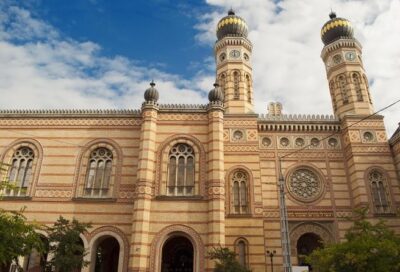
Past and Present of Budapest Jewish District Tour
Read our review →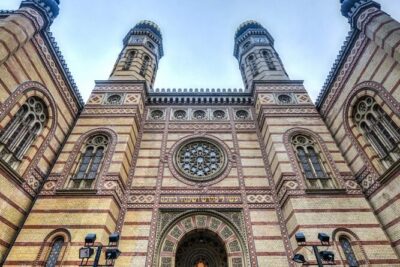
Budapest Dohany Synagogue & Hungarian Jewish Museum & free extras
Read our review →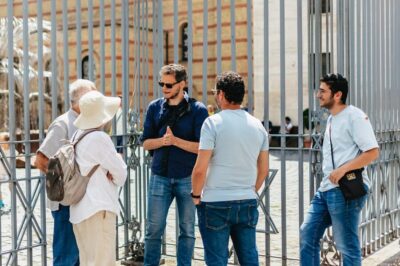
Budapest: Jewish History Guided Walking Tour with Historian
Read our review →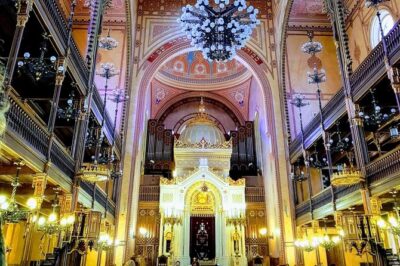
Budapest Dohany, Heroes’, Rumbach synagogues & Jewish Ghetto Tour
Read our review →Browse the lists this tour appears in